






Credit builder cards UK are low-limit credit cards designed for people with thin or damaged credit files; used properly, they report your payments to the UK’s three credit reference agencies, and your score climbs month by month. The trick? Spend a little each month and clear the balance in full — that’s the whole game.

How credit builder cards UK work, month by month
Here’s the mechanics, minus the jargon. Lenders check your credit file — a report card kept by Experian, Equifax and TransUnion — before offering a mortgage, phone contract or rental. Blank file (new to the UK, young) or bruised (missed payments)? Mainstream banks won’t touch you. That’s the gap credit builder cards UK are built to fill.
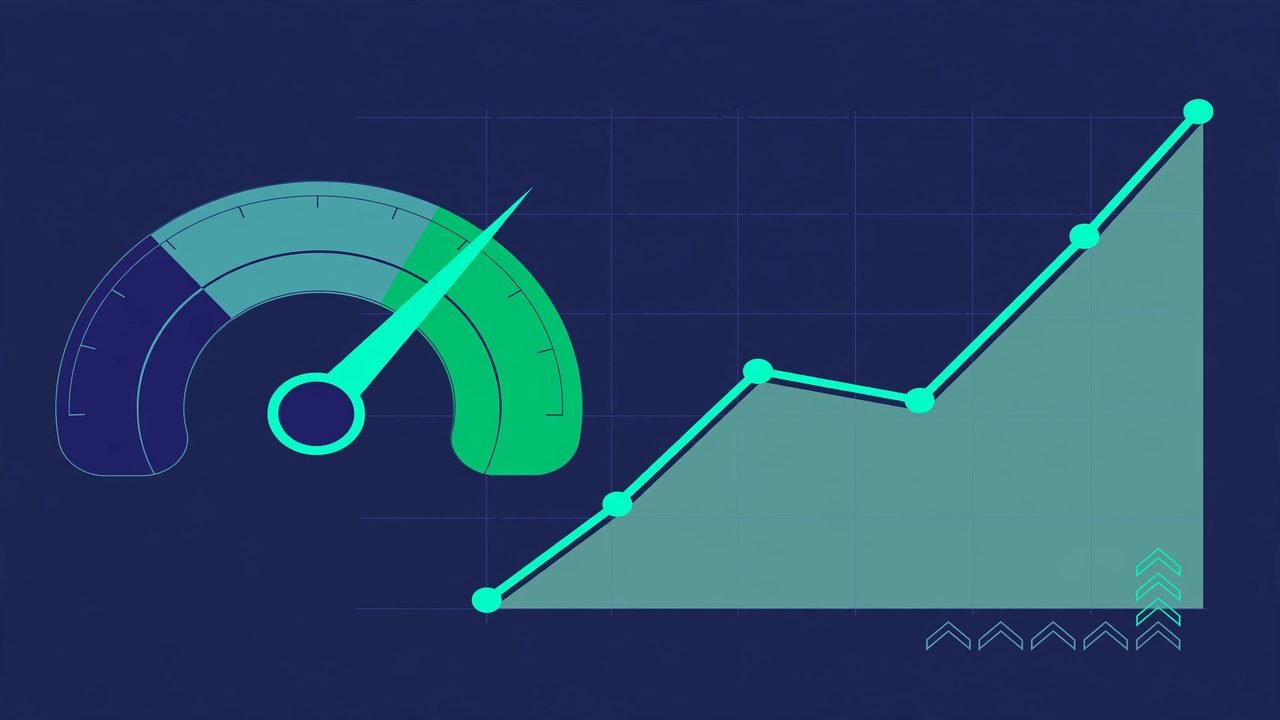
The loop is simple: limit → spend → report → score movement. You get a small limit, often £250 to £1,200, spend a modest amount — a weekly shop, a tank of petrol — and the lender reports your activity to the agencies every month. Each on-time payment adds positive history, nudging your score upward over 6–12 months. But miss one and the loop turns on you: late marks stay on your file for six years.
One catch: these cards carry high interest — think 29.9% to 39.9% APR. Sounds scary, but the APR is irrelevant if you never carry a balance. Pay in full monthly and you pay zero interest. The card builds history, not debt — using it to stretch your money is using it wrong.
The 2026 Line-Up: Cards Worth Knowing
Four names dominate the UK market in 2026. Same basic job — the details differ.
- Vanquis — the long-standing specialist. Limits from £250–£1,500, reports to all three agencies, and regular limit reviews reward good behaviour. Representative APR around 39.9%.
- Aqua Classic — a first-timer favourite. Limits from £250, monthly reporting, and a soft-search eligibility checker. APR in the high 30s.
- Capital One Classic — the big-brand option with similar limits, full reporting and a solid app for tracking spending.
- Zable — the fintech challenger: sleek app, quick eligibility checks, built-in credit tools. Newer, but gaining ground fast in 2026.
Every lender must show a representative APR — the rate at least 51% of applicants get. All four of these credit builder cards UK report your payments to the UK’s credit reference agencies; that reporting is what builds your file. Compare rates, but pay in full monthly and the APR barely touches you. What matters more is reporting to all three agencies (check this — some cards don’t) and whether limit increases come automatically for good behaviour.
How to Use One Without Shooting Yourself in the Foot
Getting the card is easy; using it well is where people win or lose. Ground rules that move the needle:
- Keep utilisation under 30% (under £75 on a £250 limit) — agencies read high utilisation as financial stress, even when you pay in full.
- Pay by Direct Debit for the full balance — automation beats willpower; one missed payment can undo months of progress.
- Use it for one small recurring bill — a subscription, a weekly shop. Predictable and boring is good here.
- Never withdraw cash — advances carry fees, day-one interest, and look desperate on your file.
- Don’t apply for three cards at once — each hard search dings your file. One application, done properly.
Track your file free with ClearScore (Equifax), Credit Karma (TransUnion) or Experian’s app. Watching your score climb is motivating — and it surfaces errors, like a wrong address, that can hold you back.
When to Move On: The Graduate-Out Roadmap
A credit builder card is training wheels, not a lifelong companion. After 9–12 months of spotless payments, your file looks different — time to graduate:
- Months 1–6: build the streak — small spending, full repayment, zero drama.
- Months 6–9: check progress. If your lender offers a limit increase, take it — a higher limit makes low utilisation effortless.
- Months 9–12: shop mainstream cards via soft-search eligibility checkers. “Next-step” cards like Barclaycard Forward bridge the gap nicely.
- Month 12+: graduate. Once a mainstream card is approved, keep the old one open with minimal use (its age helps your file) — never close it before the new card is confirmed.
The biggest mistake? Staying on a 39.9% APR card for years out of inertia. The builder did its job — thank it and move on.
FAQs
How long do credit builder cards UK take to improve my score?
Most people see meaningful movement within 3–6 months of on-time payments, and solid improvement by month 9–12. Most credit builder cards UK report monthly to the agencies, so each payment adds fresh positive history. A steady new streak gradually outweighs older marks.
Can I get a credit builder card with no credit history at all?
Yes — a blank file is exactly what these cards are designed for. Lenders like Vanquis, Aqua and Capital One accept little or no history. You’ll need to be 18+, a UK resident with a bank account and some income. Check eligibility first (soft search) to avoid a hard mark.
Do credit builder cards charge a monthly fee?
None of these four charge a monthly or annual fee — Vanquis, Aqua Classic, Capital One Classic and Zable are all free to hold. They earn from the high representative APR (29.9%–39.9%) on carried balances. Pay in full by Direct Debit each month and the card costs nothing.
Will applying for a credit builder card hurt my credit score?
A full application triggers a hard search, which can dip your score slightly for a few months. Checking eligibility first uses only a soft search — invisible to lenders. Apply for one card at a time, and space applications at least three months apart.
Should I close my credit builder card after graduating to a mainstream card?
Not immediately. An older account lengthens your average credit history, which lifts your score, and its limit keeps overall utilisation low. Keep it open with a tiny recurring charge — or close it later if a high-APR card tempts you. Confirm the new card first.
Credit builder cards aren’t glamorous, but as a low-cost route from an invisible or damaged file to mainstream borrowing, few UK tools punch above their weight. Start small, pay in full, watch the numbers climb — then graduate. Your future mortgage self will thank you.
Most people see meaningful movement within 3–6 months of on-time payments, and solid improvement by month 9–12. Most credit builder cards UK report monthly to the agencies, so each payment adds fresh positive history. A steady new streak gradually outweighs older marks.
Yes — a blank file is exactly what these cards are designed for. Lenders like Vanquis, Aqua and Capital One accept little or no history. You’ll need to be 18+, a UK resident with a bank account and some income. Check eligibility first (soft search) to avoid a hard mark.
None of these four charge a monthly or annual fee — Vanquis, Aqua Classic, Capital One Classic and Zable are all free to hold. They earn from the high representative APR (29.9%–39.9%) on carried balances. Pay in full by Direct Debit each month and the card costs nothing.
A full application triggers a hard search, which can dip your score slightly for a few months. Checking eligibility first uses only a soft search — invisible to lenders. Apply for one card at a time, and space applications at least three months apart.
Not immediately. An older account lengthens your average credit history, which lifts your score, and its limit keeps overall utilisation low. Keep it open with a tiny recurring charge — or close it later if a high-APR card tempts you. Confirm the new card first.