






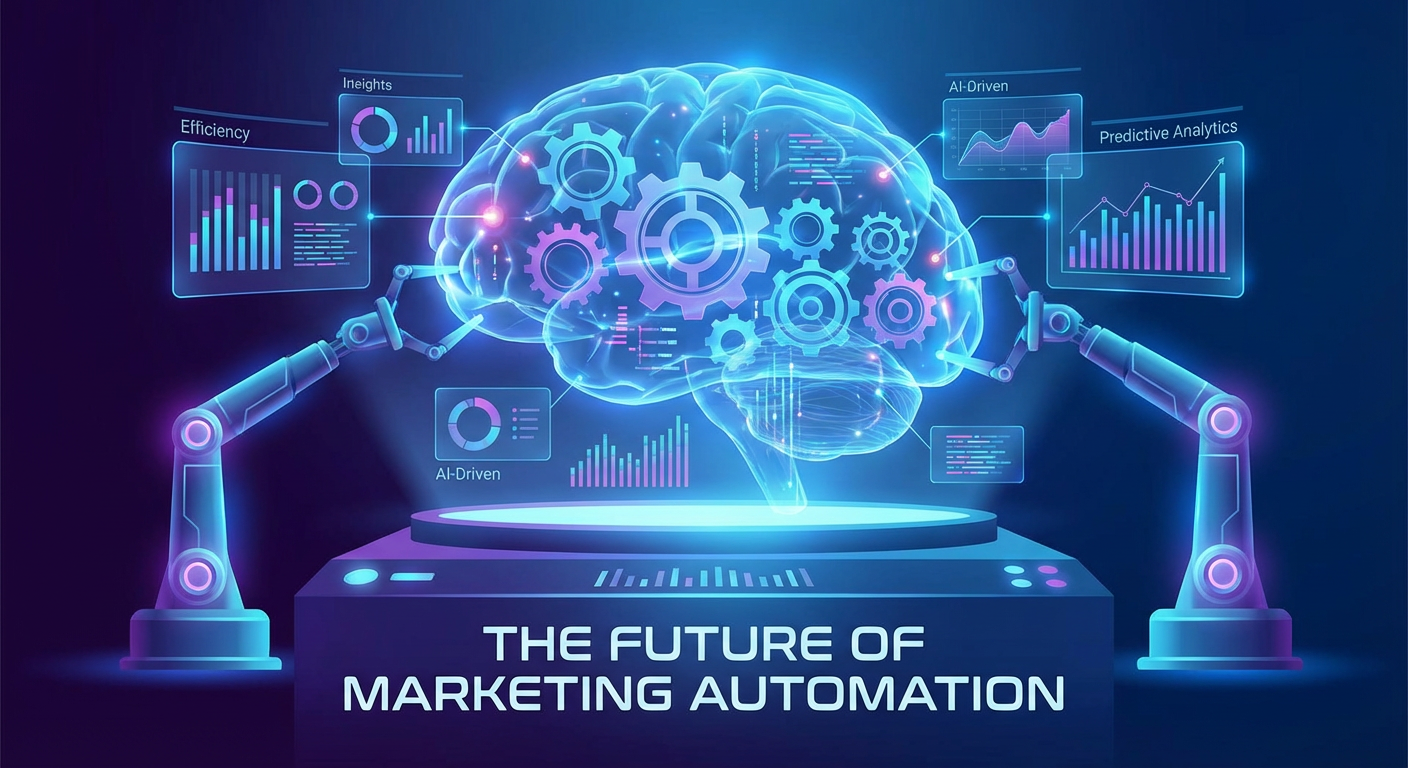
Over the last decade, marketing has changed more than ever before. Businesses are no longer limited to traditional advertising methods like newspapers, television, or radio. Instead, digital technology has opened new ways for companies to connect with their customers. Brands can now communicate directly with their audience through websites, social media platforms, email campaigns, and mobile apps.
One of the biggest factors behind this shift is marketing automation. Instead of managing every marketing task manually, companies now use automated tools to handle repetitive work and manage campaigns more efficiently. These tools allow marketers to focus on strategy and creativity while technology takes care of routine processes.
As businesses continue to compete in an increasingly digital environment, automation is becoming an essential part of modern marketing. Companies that learn how to use automation effectively can reach customers faster, deliver more relevant messages, and build stronger relationships with their audience.
Understanding Marketing Automation
Marketing automation refers to software and systems that help businesses automate routine marketing activities. These activities can include sending emails, scheduling social media posts, tracking website behavior, and managing customer leads.
In the past, marketers had to perform many of these tasks manually. For example, sending follow-up emails to potential customers or tracking user activity on a website required a lot of time and effort. Automation tools simplify these tasks by handling them automatically once the system is properly set up.
However, marketing automation is not only about saving time. The real value comes from combining automation with data analysis. Modern automation platforms can collect information about customer behavior and provide insights that help marketers understand what works and what needs improvement.
For example, an automation tool might track how many people open an email, click a link, or visit a product page. By studying this information, marketers can adjust their campaigns and create better content for their audience.
The Role of Data in Automated Marketing
Data has become the foundation of successful marketing strategies. Every time a customer visits a website, interacts with a social media post, or clicks on an email, valuable information is created. When businesses analyze this information, they gain insights that help them understand customer behavior.
Marketing automation systems are designed to collect and organize this data. Instead of sorting through large amounts of information manually, marketers can rely on automated platforms to highlight patterns and trends.
For instance, a business might notice that customers who sign up for a newsletter are more likely to purchase a product within a few weeks. With this knowledge, marketers can create targeted campaigns that guide those customers through the buying process.
This approach helps businesses move away from generic marketing messages and focus on personalized communication that feels more relevant to each customer.
Creating a Smart Marketing Analytics Strategy
To get the most value from automation, businesses need a clear plan for how they will use their marketing data. Without a strategy, it becomes difficult to interpret the information generated by automation tools.
A good marketing analytics strategy focuses on tracking the key indicators that show whether a campaign is successful. These indicators might include:
- Website traffic
- Customer engagement
- Conversion rates
- Lead generation
- Customer acquisition costs
- Return on investment
By monitoring these numbers, businesses can see which marketing activities produce results and which ones need improvement.
For example, if a company launches an automated email campaign but notices that very few people click the links inside the emails, the marketing team can experiment with different subject lines, messaging styles, or sending times.
Small adjustments based on data can significantly improve campaign performance over time.
Personalization Through Automation
One of the biggest advantages of marketing automation is the ability to personalize customer experiences. Modern consumers expect brands to understand their preferences and provide relevant recommendations.
Automation tools make this possible by tracking how customers interact with a brand. When someone browses a product, downloads a guide, or signs up for an email list, the system records that activity.
Using this information, businesses can send personalized messages that match the customer’s interests. For example, an online store might automatically recommend products based on a customer’s previous purchases or browsing history.
This type of personalized communication feels more helpful and less like traditional advertising. As a result, customers are more likely to engage with the brand and eventually make a purchase.
Artificial Intelligence and the Next Stage of Automation
Artificial intelligence is expected to play a major role in the future of marketing automation. AI technologies can process enormous amounts of data and identify patterns that humans might miss.
With AI support, automation platforms can predict customer behavior, recommend marketing strategies, and optimize campaigns automatically. For instance, an AI-powered system might analyze customer data and suggest the best time to send marketing emails for higher engagement.
Another advantage of AI is its ability to improve over time. As more data is collected, the system becomes better at predicting what customers want and how they prefer to interact with brands.
This combination of automation and artificial intelligence allows businesses to create marketing strategies that are both efficient and highly personalized.
Improving Efficiency for Marketing Teams
Marketing teams often spend a large portion of their time on repetitive tasks. These might include organizing customer lists, sending follow-up emails, updating campaign reports, or scheduling social media posts.
Automation reduces the time spent on these tasks, allowing marketers to focus on more strategic work. Instead of manually managing campaigns, teams can concentrate on developing creative ideas, improving brand messaging, and building stronger connections with customers.
Automation tools also provide real-time reporting. Marketers can quickly see how a campaign is performing and make adjustments if necessary. This flexibility allows businesses to respond quickly to changes in customer behavior or market trends.
Challenges of Marketing Automation
Although automation offers many benefits, it also comes with certain challenges. One of the biggest issues is data quality. If the data collected by a company is inaccurate or incomplete, the insights generated by automation systems may also be unreliable.
Another challenge is maintaining a balance between automation and human creativity. While automated systems are excellent at handling repetitive tasks and analyzing data, they cannot replace human creativity and emotional understanding.
Successful companies use automation as a support tool rather than a replacement for human marketers. The technology handles the technical work, while people focus on strategy, storytelling, and building authentic relationships with customers.
Conclusion
Marketing automation has become a powerful tool for businesses operating in the digital age. By automating repetitive tasks and analyzing customer data, companies can run more efficient campaigns and create better experiences for their audience.
As technology continues to evolve, automation systems will become even more intelligent and capable. Businesses that embrace these tools and combine them with thoughtful marketing strategies will be better positioned to compete in the modern marketplace.
Ultimately, the future of marketing will be shaped by the balance between technology and human creativity. Companies that use automation wisely—while still focusing on authentic communication—will have the greatest opportunity to build lasting relationships with their customers.
The future of marketing automation in 2026 centers on AI-driven personalization, advanced data analytics, and seamless integration across email, social media, and customer journeys. Brands use automation to improve efficiency and gain deeper insights.
Marketing automation improves efficiency by streamlining repetitive tasks like email campaigns, social media posting, lead nurturing, and performance tracking. This frees marketers to focus on strategy and creative work.
Marketing automation provides insights through data analytics on customer behavior, campaign performance, engagement rates, and conversion patterns. These insights help businesses optimize strategies and maximize ROI.

2 thoughts on “The Future of Marketing Automation 2026 : Efficiency and Insights 2026”