



How to start investing with little money UK beginners ask all the time — and the answer is simpler than the finance industry wants you to think: open a Stocks & Shares ISA and you can begin with as little as £1 on platforms like Trading 212. You don’t need thousands saved up; regular small contributions into a low-cost fund beat waiting years to “have enough”.
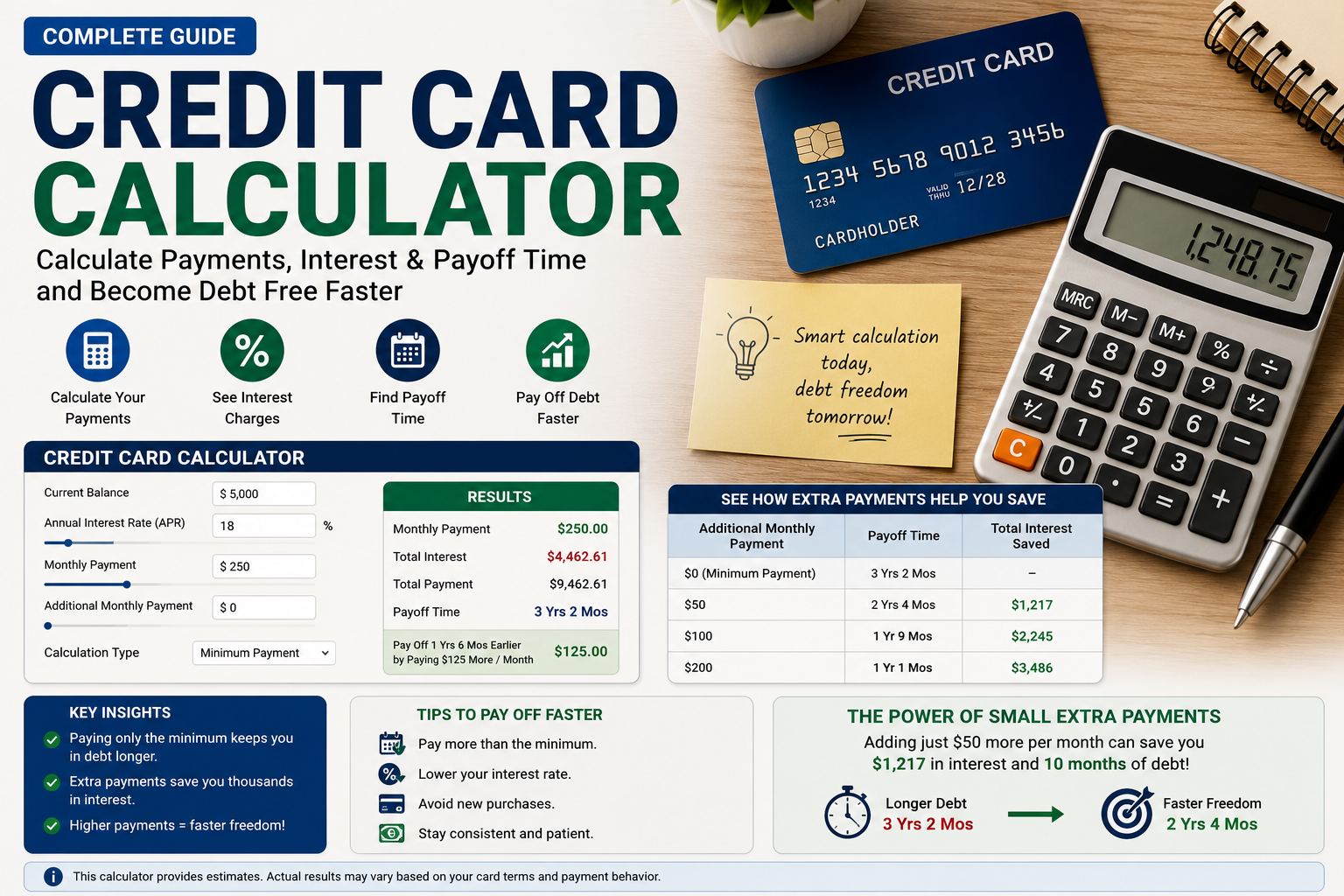
Here’s the uncomfortable truth, though: investing with little money only works if your foundations are solid. Putting £25 a month into the stock market while carrying 30% APR credit card debt is like filling a bathtub with the plug out. So let’s do this in the right order.

Step 1: Sort Your Foundations Before You Invest a Penny
Three things need to be true before your first investment: an emergency fund of 1–3 months’ essential expenses in easy-access savings (so you never sell investments at a loss when the boiler breaks), no high-interest debt (credit cards cost far more than investments earn), and money you won’t need for at least five years (markets wobble; time smooths it out). Ticked all three? You’re ahead of most people who start investing.
How to Start Investing With Little Money UK Savers Should Know: Pick the Right Wrapper
In the UK, the account you invest through matters more than what you buy first, because it decides the tax bill. For beginners with small sums, the choice is straightforward:
- Stocks & Shares ISA — your first port of call. Gains are free from UK capital gains and dividend tax, and the 2026/27 allowance is £20,000. Most platforms let you open one in minutes.
- Lifetime ISA — if you’re 18–39 and saving for a first home or retirement, the government adds a 25% bonus on up to £4,000 a year. Free money, with strict withdrawal rules.
- Workplace pension or SIPP — for long-term retirement saving with tax relief on top. If your employer offers one, you’re likely already auto-enrolled.
With little money, one ISA is plenty. Don’t scatter £25 across three accounts — fees and admin will eat you alive.
What to Actually Buy With £25 a Month
Buying individual shares with small sums is a lottery ticket, not an investment. One company can collapse; a fund holding thousands of companies can’t all collapse at once. For small budgets, two options dominate:
- A global tracker fund or ETF. Something like the Amundi Prime All Country World fund charges just 0.07% a year and spreads your money across thousands of companies worldwide. Vanguard’s LifeStrategy funds (around 0.2% a year) add bonds for a smoother ride.
- A ready-made portfolio. Platforms like Moneybox, Nutmeg and Fidelity offer ready-made ISAs from £25 a month — you answer a risk questionnaire and they handle the rest.
Watch the fees like a hawk. On a £300 portfolio, a 1% annual charge is £3 — but the same percentage on a £30,000 portfolio in twenty years is £300 a year, every year. Low-cost funds are the small investor’s best friend.

Automate It: The £25-a-Month Habit
The secret weapon of small-money investing isn’t picking winners — it’s consistency. Set up a direct debit on payday so the money leaves before you can spend it. £50 a month feels like nothing; £50 a month for 20 years at 5% average growth is over £20,000.
Micro-investing apps make starting painless: Trading 212 and challenger banks let you invest from £1, and Moneybox rounds up your spare change into investments. These won’t make you rich, but they build the habit — and the habit is the whole game. Increase contributions when your pay rises, not your lifestyle.
Mistakes That Eat Small Portfolios
- Trying to time the market. Even professionals fail at this. Regular monthly investing beats waiting for the “right moment”.
- Checking daily and panic-selling. Daily movements are noise. Dips are normal; selling locks in losses while staying invested allows recovery.
- Chasing hype. Crypto tips from social media and “guaranteed” schemes target small investors precisely because small investors feel they need a shortcut. There isn’t one.
- Ignoring fees. On small sums, flat fees hurt more than percentages. A £7.50 dealing charge on a £50 trade is a 15% loss before you start.
FAQs
How much money do I need to start investing in the UK?
You can start investing in the UK with as little as £1 through fractional shares on platforms like Trading 212, Monzo or Moneybox. The more important question is whether your foundations are set: an emergency fund, no high-interest debt, and money you won’t need for at least five years. Once those are sorted, even £25 a month compounds meaningfully over time.
How to start investing with little money UK beginners: ISA or pension first?
For beginners learning how to start investing with little money UK-wide, a Stocks & Shares ISA usually comes first because it’s flexible — you can withdraw anytime without penalty. A pension wins for pure retirement saving thanks to tax relief and employer contributions, but the money is locked until at least age 57. Many people sensibly do both.
Are robo-advisors good for small investors?
Robo-advisors like Moneybox, Nutmeg and Wealthify suit small investors because they accept from £1–£25, build diversified portfolios automatically and rebalance for you. The trade-off is slightly higher fees than DIY index funds. They’re ideal if you want investing handled for you while you learn.
Can I lose all my money investing small amounts?
You can lose money, but losing everything is unlikely with a diversified global fund — it would require thousands of companies to collapse simultaneously. UK platforms are also covered by the Financial Services Compensation Scheme up to £85,000 if the firm fails. The realistic risk is short-term volatility, which is why the five-year minimum horizon matters.
Should I pay off debt or invest first?
Pay off high-interest debt first, almost always. Credit cards charging 25–30% APR cost far more than investments typically earn at 5–7% a year. The exception is employer pension contributions — turning down matched pension money to overpay cheap debt is usually the worse deal. Clear expensive debt, then invest.
Starting small isn’t a disadvantage — it’s an education you get cheaply. The investor who learns discipline with £25 a month is the same investor who handles £2,500 a month wisely later. Open the ISA, set the direct debit, and let time do the heavy lifting.
You can start investing in the UK with as little as £1 through fractional shares on platforms like Trading 212, Monzo or Moneybox. The more important question is whether your foundations are set: an emergency fund, no high-interest debt, and money you won’t need for at least five years. Once those are sorted, even £25 a month compounds meaningfully over time.
For beginners learning how to start investing with little money UK-wide, a Stocks & Shares ISA usually comes first because it’s flexible — you can withdraw anytime without penalty. A pension wins for pure retirement saving thanks to tax relief and employer contributions, but the money is locked until at least age 57. Many people sensibly do both.
Robo-advisors like Moneybox, Nutmeg and Wealthify suit small investors because they accept from £1–£25, build diversified portfolios automatically and rebalance for you. The trade-off is slightly higher fees than DIY index funds. They’re ideal if you want investing handled for you while you learn.
You can lose money, but losing everything is unlikely with a diversified global fund — it would require thousands of companies to collapse simultaneously. UK platforms are also covered by the Financial Services Compensation Scheme up to £85,000 if the firm fails. The realistic risk is short-term volatility, which is why the five-year minimum horizon matters.
Pay off high-interest debt first, almost always. Credit cards charging 25–30% APR cost far more than investments typically earn at 5–7% a year. The exception is employer pension contributions — turning down matched pension money to overpay cheap debt is usually the worse deal. Clear expensive debt, then invest.