




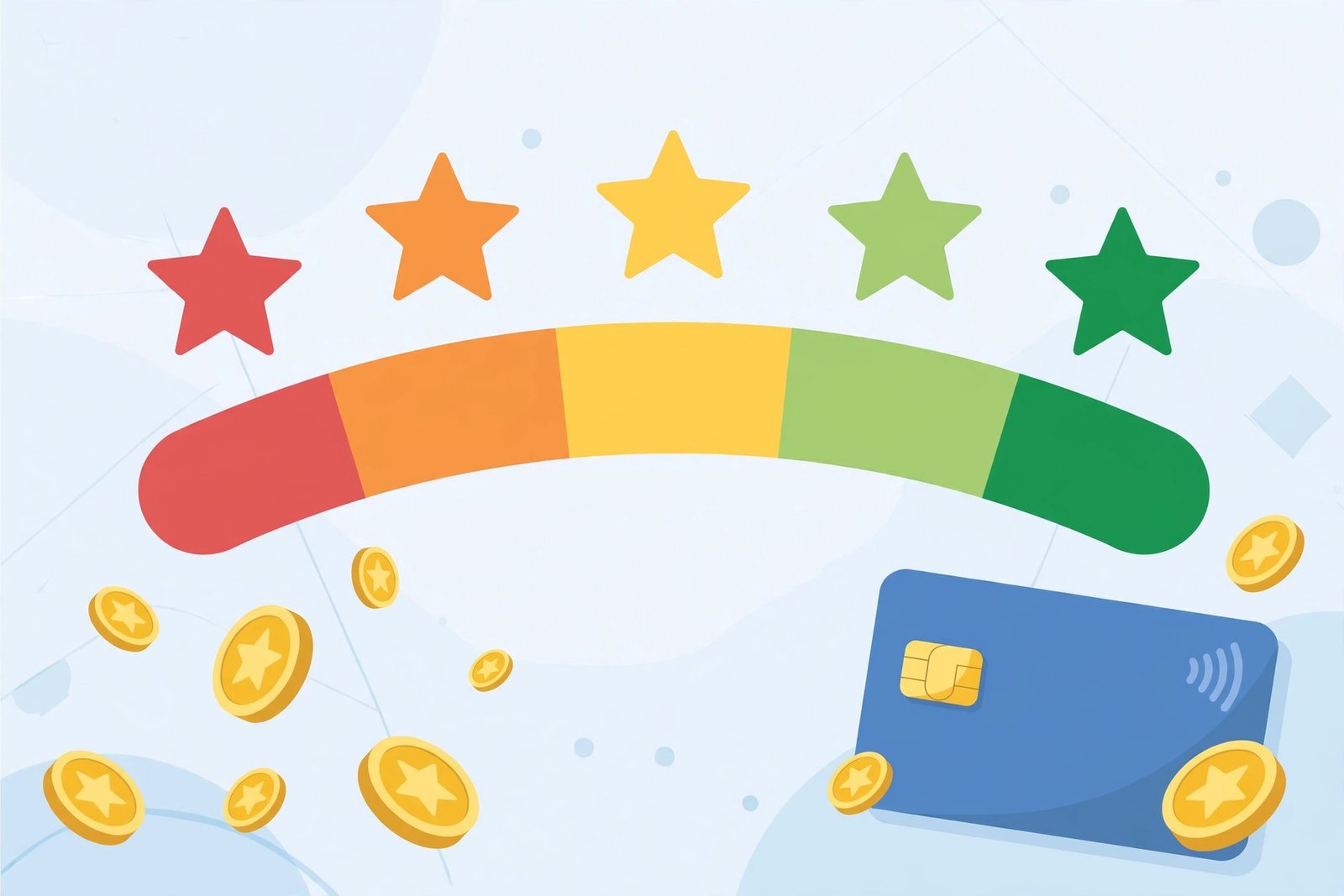
Ever wondered why a three-digit number can decide whether you get a loan, rent an apartment, or even land a job? If you’ve asked yourself, “what is a credit score?” — you’re asking one of the most important questions in personal finance. Your credit score is essentially your financial reputation, condensed into a number.
The good news? Once you understand how it works, improving it is mostly about consistent, boring habits — not financial genius. This guide explains what is a credit score, how it’s calculated, and what you can do about yours, in plain language with zero jargon.
What Is a Credit Score, Exactly?
A credit score is a number — usually between 300 and 850 — that predicts how likely you are to repay borrowed money on time. Lenders, landlords, and sometimes employers check it to decide how risky you are to deal with.
Think of it like a school grade for your borrowing behavior. Pay on time, borrow sensibly, and your “grade” goes up. Miss payments or pile on debt, and it drops. The score itself is calculated by credit bureaus using data from your borrowing history: loans, credit cards, and sometimes utility or mobile money payments.
What the Numbers Actually Mean
Scores are grouped into ranges, and while the exact cutoffs vary by country and scoring model, the general picture looks like this:
- 300–579: Poor. You’ll struggle to get approved for most credit, and approvals will come with high rates.
- 580–669: Fair. Some options open up, but terms won’t be great.
- 670–739: Good. Most lenders will work with you at reasonable rates.
- 740–799: Very good. You’ll qualify for better offers and lower interest.
- 800–850: Excellent. The best rates, the highest limits, the fewest questions.
Where you fall matters enormously. The difference between a “fair” and “very good” score on a business loan can mean paying thousands more in interest over the life of the loan.
How Is a Credit Score Calculated?
Most scoring models weigh five factors. Understanding the weights tells you exactly where to focus:
- Payment history (~35%). Do you pay on time, every time? This is the heavyweight champion of your score.
- Amounts owed / utilization (~30%). How much of your available credit are you using? Lower is better.
- Length of credit history (~15%). Older accounts help — they show a longer track record.
- New credit (~10%). Opening several accounts at once looks risky.
- Credit mix (~10%). Responsibly handling different types of credit (a loan plus a card, for example) helps a little.
Notice what dominates: paying on time and not maxing out your credit. Master those two, and you’re most of the way there.
Why Your Credit Score Matters More Than You Think
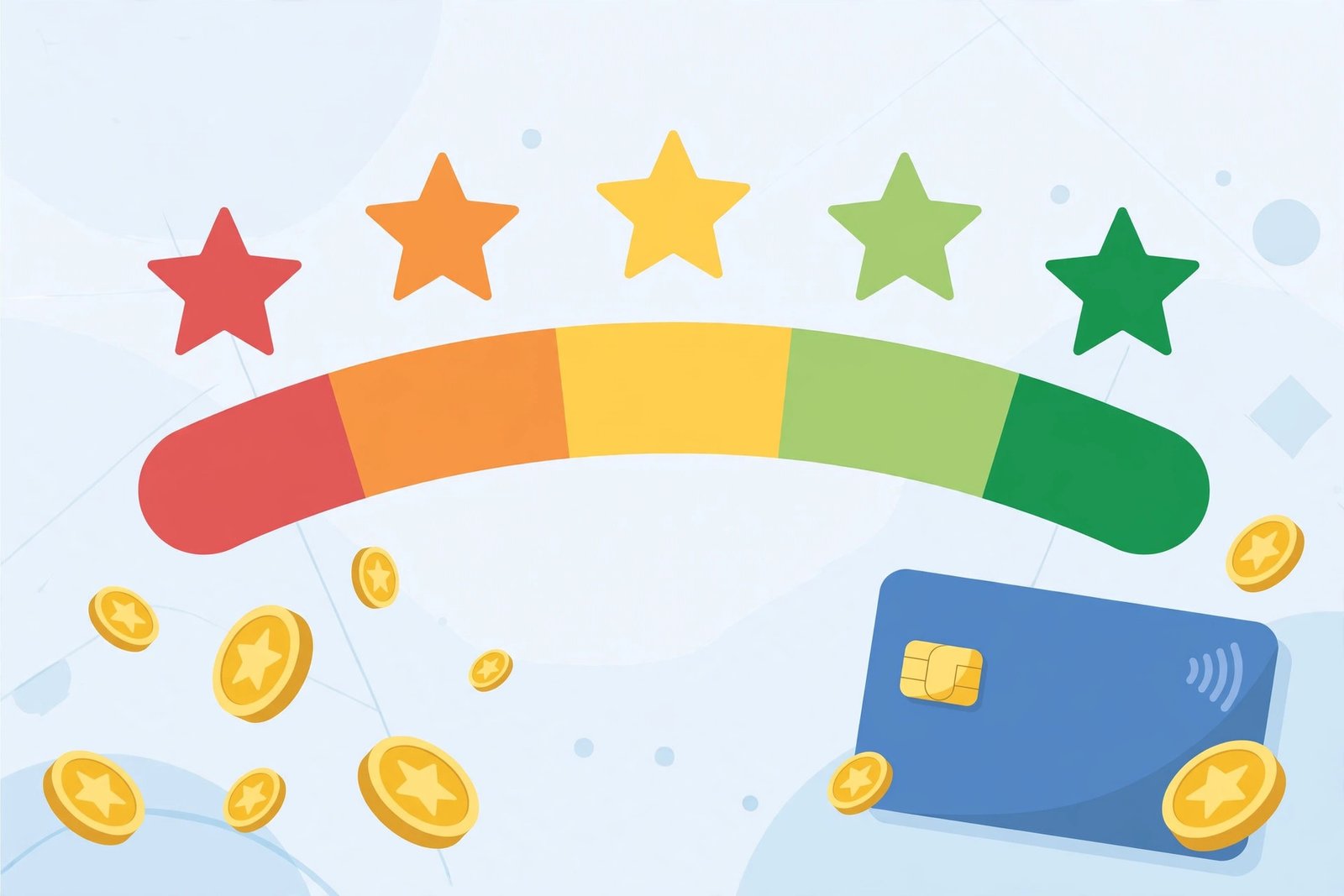
Most people think credit scores only matter when borrowing. In reality, the number follows you into surprising corners of life. Landlords check it before handing over keys. Some employers check it for roles involving money. Insurers in some countries use it to set premiums. Even getting a postpaid phone plan can depend on it.
A strong score is also a safety net. Life throws emergencies at everyone — a medical bill, a broken fridge, a slow business month. When that happens, the person with good credit borrows cheaply and recovers fast. The person with poor credit borrows expensively (or can’t borrow at all) and the emergency becomes a crisis.
How to Check Your Credit Score for Free
Here’s a myth worth killing: checking your own score does NOT hurt it. When you check your own report, that’s a “soft inquiry” — invisible to lenders and harmless to your score. Only applications for new credit create “hard inquiries.”
Many countries require bureaus to give you at least one free report per year. Some banks and fintech apps now show your score for free inside their apps. Start by finding your country’s main credit bureaus, request your report, and review it line by line for errors — wrong accounts, outdated balances, or payments marked late that you actually made on time.
5 Simple Ways to Raise Your Score
Ready to move the number up? These are the highest-impact moves, in order:
- Pay every bill on time. Set up autopay for at least the minimums. One 30-day late payment can haunt your score for years.
- Pay down high balances. Get utilization under 30% of your limits — under 10% is even better.
- Don’t close old accounts. That old card with zero balance is helping your “length of history.” Keep it open.
- Limit new applications. Space out credit applications; each hard inquiry dings you slightly.
- Dispute errors. Found a mistake on your report? Dispute it in writing with the bureau. Corrections can boost your score within weeks.
None of this is exciting. All of it works. Credit scores reward patience and punish drama.

FAQ
How long does it take to build a credit score from scratch?
Usually 3–6 months of reported activity before a score is generated, and 12–24 months of consistent behavior to reach a solid “good” range. Microloans from reporting lenders are one of the fastest legitimate starting points.
Does my score drop if I check it?
No. Checking your own score is a soft inquiry and never affects the number. Only lender checks tied to new applications (hard inquiries) have an impact, and even those are small and temporary.
Can a bad credit score be fixed?
Yes — scores are not permanent judgments. Negative marks fade with time (most drop off after several years), and new positive behavior steadily outweighs ol
What is a good credit score?
The guide lists 670–739 as Good, 740–799 as Very good, and 800–850 as Excellent on the 300–850 scale.
How is a credit score calculated?
Payment history (~35%), amounts owed (~30%), length of history (~15%), new credit (~10%), credit mix (~10%).
d mistakes. People rebuild from very low scores every day.
Do microfinance loans appear on my credit report?
Only if your lender reports to a credit bureau. Always ask before borrowing — it’s the difference between a loan that builds your future and one that’s invisible to it.
Conclusion
So, what is a credit score? It’s your financial reputation in number form — built by your payment history, shaped by how much you owe, and entirely within your power to improve. Check your report, pay on time, keep balances low, and fix errors when you find them. The number responds to consistency, not complexity. Start today, and your future self — applying for that business loan, that apartment, that better rate — will thank you.
The guide lists 670–739 as Good, 740–799 as Very good, and 800–850 as Excellent on the 300–850 scale.
Payment history (~35%), amounts owed (~30%), length of history (~15%), new credit (~10%), credit mix (~10%).