


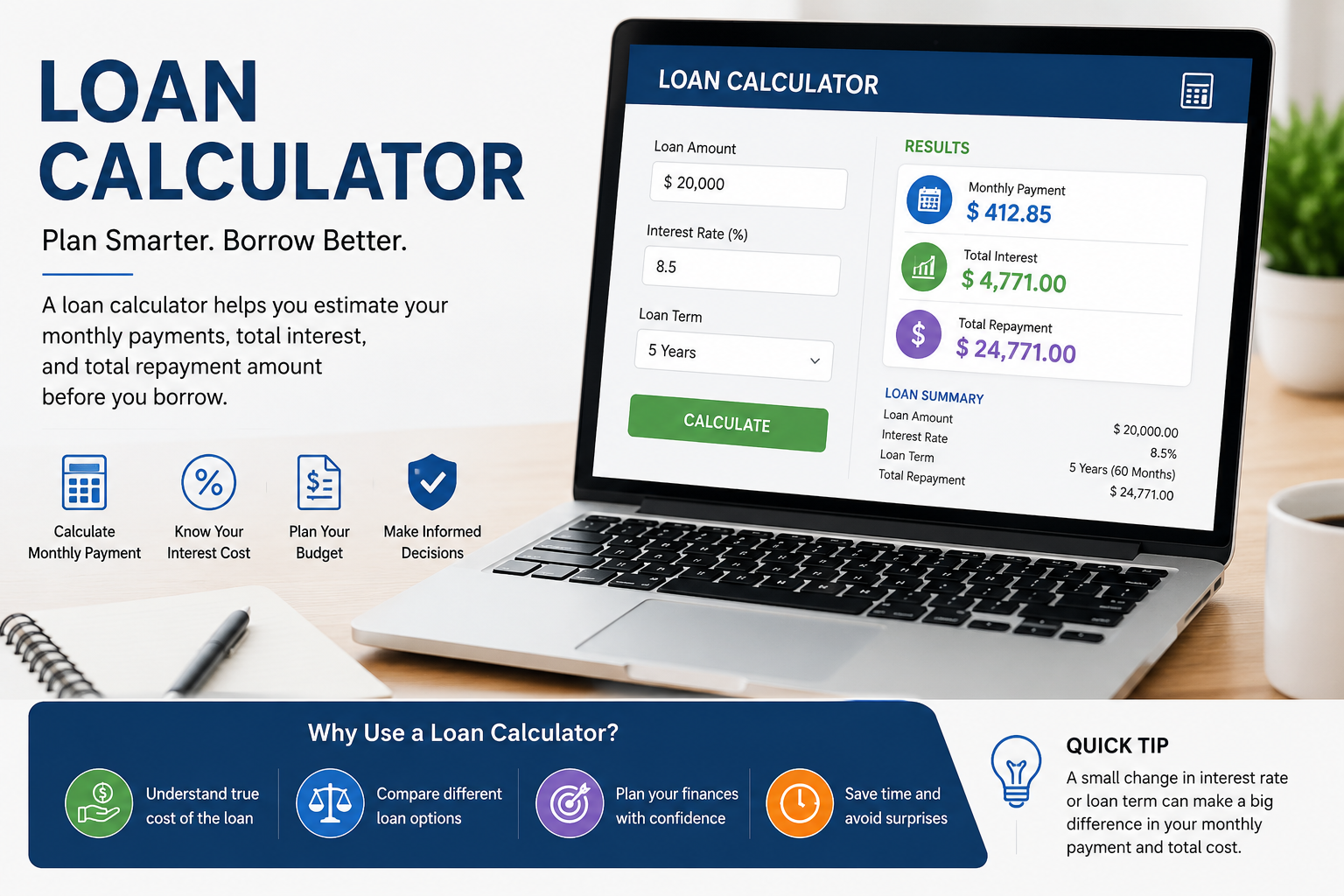



If you are paying interest on a UK credit card balance in 2026, a 0% balance transfer credit card is one of the fastest ways to clear it. You move your existing debt to a new card that charges 0% interest for a fixed period, so every penny you repay goes toward the actual debt instead of interest. In this guide we compare the best 0% balance transfer credit cards UK has to offer right now, explain the fees, and show you how to avoid the traps that cost people money.
How a 0% Balance Transfer Card Works
The process is simple. First, you apply for a new card offering an introductory 0% period on balance transfers. Once approved, you tell the new provider which balances to move and how much. The new provider pays off your old card, and the transferred balance sits at 0% interest for the promotional period. You then make monthly repayments until the balance is cleared. When the 0% period ends, any remaining balance starts accruing interest at the card’s standard APR, which is typically around 24.9% in 2026.
You will usually need a decent credit score to get the best deals, and most providers charge a balance transfer fee of between 0% and 3.49% of the amount moved. That fee is added to your balance, so it is worth comparing total cost rather than just the number of interest-free months.
Best 0% Balance Transfer Credit Cards UK 2026 Compared
Here are the standout offers available in October 2026. All figures are as advertised; you may be offered a shorter 0% period depending on your credit file.
| Card | 0% Period | Transfer Fee | APR After | Best For |
|---|---|---|---|---|
| TSB Platinum Balance Transfer | Up to 38 months | 3.49% | 24.9% APR | Longest 0% window |
| HSBC Balance Transfer | 36 months (guaranteed) | 3.09% | 24.9% APR | Guaranteed period |
| Virgin Money Balance Transfer | 36 months (guaranteed) | 3.10% | 24.9% APR | Guaranteed period |
| Tesco Bank Balance Transfer | 36 months (guaranteed) | 3.45% | 24.9% APR | Clubcard points |
| Barclaycard Platinum | Up to 36 months | 3.15% | 24.9% APR | Low-fee long deal |
| NatWest Longer Balance Transfer | Up to 36 months | 3.10% | 24.9% APR | Flexible term |
Moneyfacts reported that by June 2026 the average 0% balance-transfer period had risen to 605 days while the average fee had fallen to 2.48%, so competition is working in borrowers’ favour right now.
Worked Example: Clearing £5,000 of Debt
Suppose you owe £5,000 at a typical 22.9% APR and only make minimum payments. You could pay well over £2,000 in interest alone and take more than a decade to clear it. Now compare moving that £5,000 to a 0% card with a 36-month deal and a 3% fee:
- Transfer fee: £150 (added to the balance, so £5,150 total)
- Monthly payment to clear in 36 months: £143.06
- Total interest paid: £0
- Total cost: just the £150 fee, versus £2,000+ in interest
The saving is enormous. But note the trade-off: a shorter 12-month deal with a 0% fee would cost only £150 in fees too yet demand £429.17 per month. The right card is the cheapest one whose 0% period you can actually repay within.
Rules to Avoid Losing the Deal
Balance transfer cards come with strict conditions. Break them and you could lose the 0% rate:
- Always make at least the minimum payment. Missing one payment can end the promotional rate.
- Do not spend on the card. New purchases often accrue interest at the standard rate while repayments go to the transferred balance first.
- Transfer within the window. Most providers give you 60 to 90 days from account opening to make transfers at the promotional rate.
- Do not transfer between cards from the same bank. Providers normally refuse transfers within their own group.
- Clear the balance before the 0% ends. Divide the total by the number of months and set up a direct debit for that amount.
Longest 0% Period vs Lowest Fee: How to Pick
There is no single best card for everyone. Use this simple framework:
- Large balance, modest repayments: go for the longest 0% period (for example TSB’s up to 38 months) and accept the higher fee. Time matters more than the fee.
- Can clear it quickly: look for low-fee or no-fee cards with a shorter window. If you can repay in 12 months, a 0% fee card beats a 3.49% fee card every time.
- Want certainty: guaranteed-period cards (HSBC, Virgin Money, Tesco) promise the full 36 months to accepted applicants, while “up to” deals may offer you less.
Use an eligibility checker before applying. These run a soft search that does not affect your credit score and tell you which cards you are likely to be accepted for.
Frequently Asked Questions
Does a balance transfer affect my credit score?
Applying creates a hard search, which can dip your score slightly in the short term. But reducing your credit utilisation by clearing high balances usually improves your score over the following months.
Can I transfer a balance from my overdraft or loan?
Some cards allow money transfers (moving cash to your bank account) at 0% with a separate fee. Standard balance transfers only move credit or store card debt.
What happens if I don’t clear the balance in time?
Whatever remains starts accruing interest at the standard representative APR, typically around 24.9%. You can transfer the remainder to another 0% card, but you will pay another fee.
Can I get a balance transfer card with bad credit?
The longest 0% deals require good credit. With a lower score you may be offered shorter periods or higher fees. Improving your score first, even for a few months, can unlock far better deals.
Conclusion
The best 0% balance transfer credit cards UK borrowers can get in 2026 offer up to 38 months interest-free, and average fees have been falling. Pick the card with the lowest total cost that gives you enough time to repay, never miss a minimum payment, and set a direct debit to clear the balance before the 0% ends. Done right, a balance transfer can turn years of expensive interest into a clear, fixed path to being debt-free.