






You’ve probably tapped “Pay by Bank” at a checkout or linked a budgeting app — that’s open banking in action. Here’s open banking explained UK in plain terms: a system, backed by UK law since 2018, letting you safely share bank data with approved apps and pay straight from your account. It hit 30 million Pay-by-Bank transactions in January 2026.

Open Banking Explained UK: What It Actually Is
Open banking is a set of secure rules that let your bank share your account information — with your explicit permission — through protected digital channels called APIs. Before this, banks held your transaction data locked away. Now, if you agree, an approved app can read it, or start a payment straight from your current account.
Think of your bank as a sealed building that only had a front door. Open banking added secure side doors — but only you hold the key.
Two kinds of approved companies use these side doors. Account Information Service Providers (AISPs) can read your data — your budgeting or mortgage-prep apps. Payment Initiation Service Providers (PISPs) can start payments — that’s Pay by Bank at checkout. Neither can hold your money or move it without you saying so each time.
Why the UK Forced Banks to Do This: The Regulation Story
This didn’t happen by accident — regulators made it happen. In 2018, the Competition and Markets Authority (CMA) ordered the UK’s nine biggest banks to open up customer data, and the EU’s PSD2 directive put similar duties into law. The goal was simple: break the banks’ grip on your data and spark competition.
Today the system is policed by the Financial Conduct Authority (FCA). Any company that wants your bank data must be authorised or registered with the FCA — and you can check the register yourself.
Older explainers skip this: it’s not a tech trend but a regulated consumer right. Your bank can’t opt you in — consent sits entirely with you.
Where You’ll Bump Into Open Banking in 2026
Eight years on, open banking is quietly everywhere. Recognise any of these?
- Pay by Bank at checkout: Amazon, eBay and Just Eat all offer it. You pick your bank, confirm in your banking app, and the money moves directly — no card numbers typed, no saved card details to leak. Pay-by-Bank transactions hit 30 million in a single month back in January 2026.
- Budgeting and money apps: Apps like Emma, Snoop and the built-in tools inside Monzo or Lloyds pull your transactions together and categorise your spending — possible only because open banking lets them read your accounts across banks in one place.
- Faster credit decisions: Some lenders now ask permission to view your real bank statements instead of making you upload PDFs. Read-only access, real data, quicker decisions — and plenty of people get fairer outcomes than a thin credit file would allow.
- Accounting tools: If you’re self-employed, FreeAgent or Xero connect to your business account and pull transactions automatically.
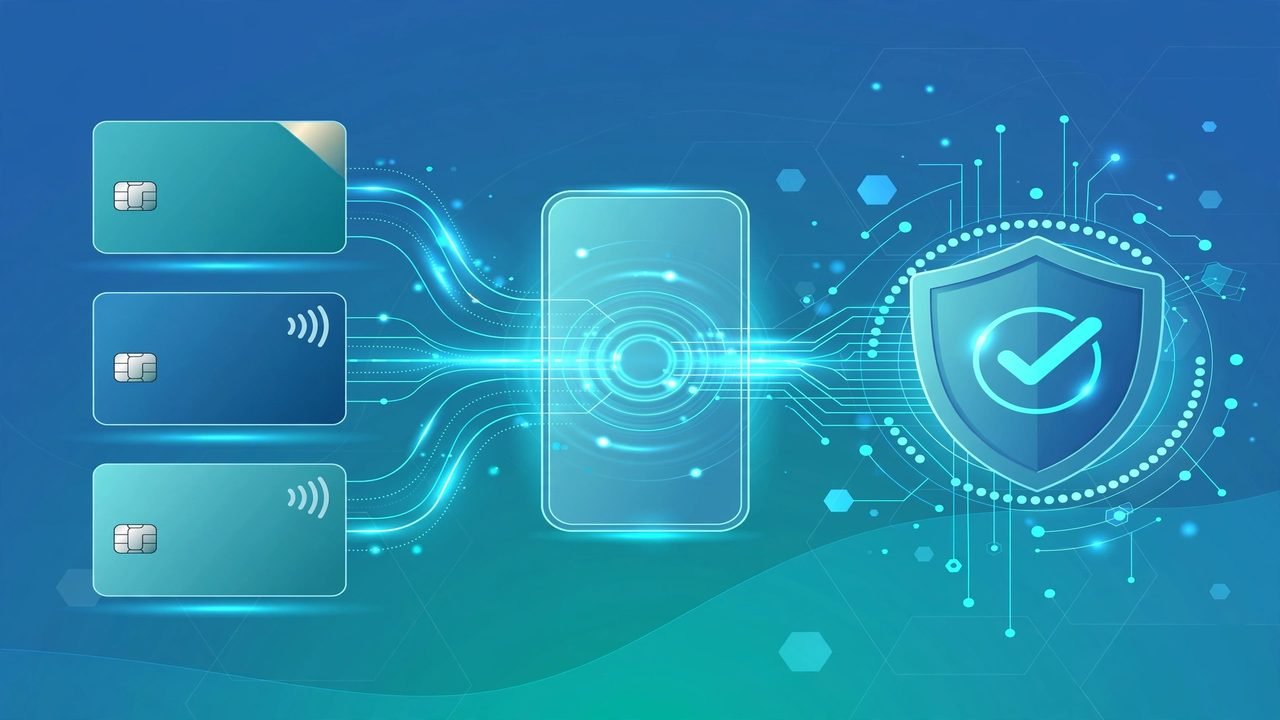
Is It Safe? The Honest Answer
Let’s be direct: nothing online is risk-free. But open banking is, by design, one of the safest ways to share financial data — far safer than the old alternative of handing your bank login to apps.
Here’s why the design protects you. You never give your bank password to the third-party app — you log in on your own bank’s site or app. You approve each connection and each payment separately, and only FCA-authorised firms can plug in. A budgeting app can’t move your money, and a payment app can’t read your savings.
That said, keep your guard up. Only connect apps you trust — check they’re FCA-authorised first. Treat “Pay by Bank” like a card payment: confirm the amount and the merchant before approving. If a connection feels off, revoke it in your banking app — it takes seconds. Open banking explained UK in one safety line: the system is built to be safe, but your common sense is the last line of defence.
How to Start Using It (If You’re Not Already)
You probably already are — anyone who’s tapped Pay by Bank or linked an app has. To be deliberate: try Pay by Bank once at a checkout you trust (confirm with biometrics in your bank’s app), connect one FCA-authorised budgeting app, and review the “connected apps” section of your banking app twice a year. Want nothing to do with it? Fine — it’s opt-in by law, and your bank can’t share anything until you say so.
FAQs
Is open banking explained UK as a free service for consumers?
Yes — open banking explained UK as a consumer service is free. You never pay to connect an app or to pay by bank. Approved apps make money through premium features or by charging businesses, never by billing you for the connection itself.
Can a third-party app take money from my account?
No app can take money from your account without you approving each payment. Account-reading apps can only view your data, and payment apps must get your explicit confirmation for every single transfer inside your own bank’s app. No exceptions, no background transfers.
What happens to my data if I disconnect an app?
When you revoke access in your banking app, the third-party firm must stop collecting new data immediately and delete your data unless the law requires them to keep it. You can also ask the firm directly to erase your personal data under UK GDPR.
Do I need open banking if I already use my bank’s app?
No — open banking is entirely optional. Your bank’s own app keeps working exactly as before. Open banking only matters if you want to see accounts from several banks in one place, use specialist budgeting tools, or pay by bank at checkout.
Which UK regulators oversee open banking?
The Financial Conduct Authority (FCA) authorises and supervises the third-party firms that use open banking. The framework grew out of the CMA’s 2018 order to the nine largest UK banks and the PSD2 payment rules, with UK data protection law applying throughout.
Conclusion
Open banking isn’t a far-off fintech dream — it’s the plumbing already running beneath how millions of Brits pay, budget and borrow. The UK’s regulated approach, with the FCA watching the gate and your consent required at every turn, makes it one of the most consumer-protective financial data systems in the world. Start small: try one Pay-by-Bank checkout, connect one budgeting app, and review your connected apps now and then. The side doors are secure — you’re the only one holding the key.
Yes — open banking explained UK as a consumer service is free. You never pay to connect an app or to pay by bank. Approved apps make money through premium features or by charging businesses, never by billing you for the connection itself.
No app can take money from your account without you approving each payment. Account-reading apps can only view your data, and payment apps must get your explicit confirmation for every single transfer inside your own bank’s app. No exceptions, no background transfers.
When you revoke access in your banking app, the third-party firm must stop collecting new data immediately and delete your data unless the law requires them to keep it. You can also ask the firm directly to erase your personal data under UK GDPR.
No — open banking is entirely optional. Your bank’s own app keeps working exactly as before. Open banking only matters if you want to see accounts from several banks in one place, use specialist budgeting tools, or pay by bank at checkout.
The Financial Conduct Authority (FCA) authorises and supervises the third-party firms that use open banking. The framework grew out of the CMA’s 2018 order to the nine largest UK banks and the PSD2 payment rules, with UK data protection law applying throughout.