





So, what is a microloan? If you’ve ever had a brilliant business idea but zero dollars to back it up — a street food stall, a small tailoring shop, maybe a tiny online store — then you’ll want to know about this. A microloan is a small, short-term loan designed for people who can’t easily get credit from traditional banks. We’re talking amounts as tiny as $50 or $100, going up to a few thousand dollars. It’s not charity, and it’s not a handout. It’s a real financial tool that has pulled millions of people out of poverty over the last forty years.
A regular bank looks at you and sees risk — no collateral, no credit history, no steady paycheck. A microlender sees potential. That’s the whole philosophy in one sentence — and in 2026, digital platforms have made microloans more accessible than ever.

What Is a Microloan, Exactly?
At its core, a microloan is a small loan — typically $100 to $50,000 depending on the country and lender — for individuals or tiny businesses locked out of conventional banking. “Micro” refers to the loan’s size, not its importance.
The concept was popularized by Muhammad Yunus, who founded Grameen Bank in Bangladesh in the 1970s after lending $27 to women making bamboo furniture. They repaid it, borrowed more, and grew their businesses. Yunus won the Nobel Peace Prize in 2006, and microfinance went global.
Today they’re offered by nonprofits, microfinance institutions (MFIs), government programs, and online platforms — in developing and wealthy nations alike, including the U.S. SBA microloan program.
How Does a Microloan Actually Work?
The process is refreshingly simple. Here’s the typical journey:
- Application: You apply with basic information about yourself and your business idea or existing small business. Many lenders now accept applications entirely online or through a mobile app.
- Evaluation: Instead of your credit score, microlenders weigh your character, business plan, and sometimes community reputation. Some use “group lending,” where borrowers guarantee each other’s loans.
- Disbursement: Funds arrive quickly — sometimes within days — for a specific purpose: inventory, equipment, raw materials.
- Repayment: You repay in small, frequent installments (weekly or monthly) over 6 months to a few years. Interest rates vary, but they’re disclosed upfront.
Who Qualifies for a Microloan?
More people than you’d think. Microloans were created for the “unbankable” — street vendors, rural farmers, artisans, first-time entrepreneurs. But eligibility has broadened: freelancers, gig workers, and small shop owners all qualify today.
Most lenders want to see two things: a genuine need and a realistic plan to repay. That’s it. No perfect credit history required.
Microloan vs. Bank Loan: What’s the Difference?
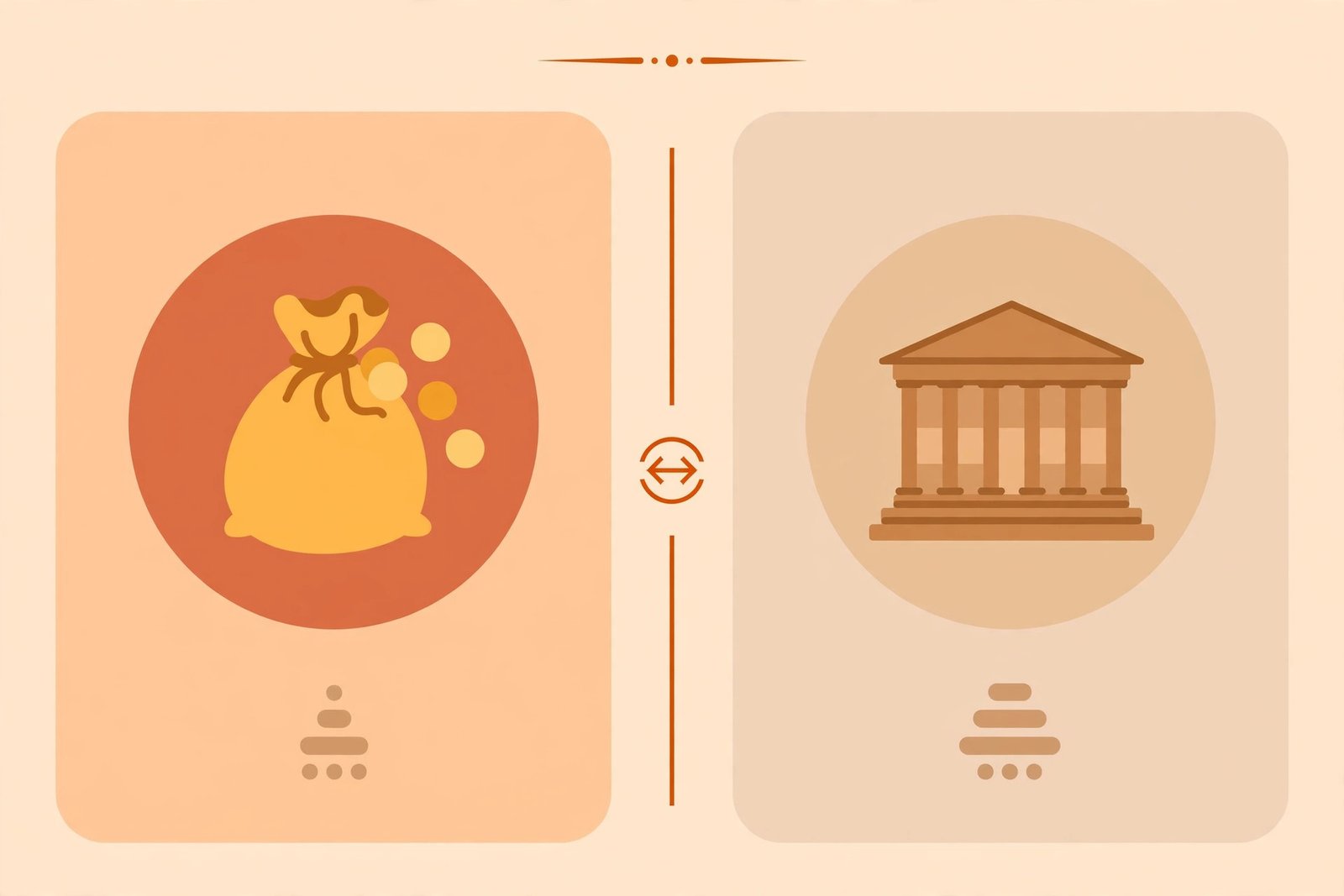
Once you grasp what is a microloan, the next question is always: how is it different from a bank loan? Let’s clear that up with a quick comparison:
- Loan size: Microloans run from about $100 to $50,000. Bank loans usually start much higher.
- Collateral: Microloans often require none. Banks almost always want it.
- Credit history: Microlenders are flexible; banks are strict.
- Speed: Microloans can fund in days. Bank loans can take weeks or months.
- Interest rates: Here’s the catch — microloan rates are often higher than bank rates, because serving tiny loans costs lenders more per dollar. Always compare the total cost before signing.
- Support: Many MFIs bundle training, mentorship, and financial literacy with the loan. Banks? Not so much.
Neither is “better” outright — they serve different people at different stages. If you can get a bank loan on good terms, great. If not, a microloan may be your best path forward.
The Pros and Cons — An Honest Look
Let’s be honest about both sides.
The pros: Microloans open doors that would otherwise stay shut, build your credit history from scratch, and come in manageable amounts with flexible repayment. The bundled training genuinely helps too — mentored borrowers default less and grow faster.
The cons: Interest rates can be steep — 20% to 35% annually in some regions. Amounts are small, so they won’t fund big ambitions. And aggressive lending has left some borrowers juggling multiple loans. Rule of thumb: borrow only what you can realistically repay, and read every line.
How to Get a Microloan in 2026
So now you know what a microloan is — how do you actually get one? The landscape in 2026 is the friendliest it’s ever been for borrowers. Digital-first microlenders let you apply from your phone in minutes. Government-backed programs exist in dozens of countries. Nonprofits like Kiva let you crowdfund interest-free microloans from individual lenders worldwide.
Define exactly how much you need and what it’s for — lenders love specificity. Compare at least three lenders on rates, fees, and terms, and prepare a one-page summary of your idea. And never skip the fine print.
We’ve put together a detailed walkthrough that covers every step — from choosing a lender to getting funded. Check out our step-by-step guide for first-time borrowers when you’re ready to move forward.
The 2026 Outlook: Why Microloans Matter More Than Ever
Mobile money has put microloans in the pockets of people who’ve never entered a bank. AI-assisted credit scoring helps lenders evaluate borrowers fairly without credit histories. And millions are starting micro-businesses — selling online, freelancing, running home kitchens — needing exactly this kind of capital.
The microfinance industry keeps maturing too, with more countries setting standards that protect borrowers from predatory rates. That’s good news for everyone.
So, what is a microloan? Proof that you don’t need a fortune to start building one. A few hundred dollars, in the right hands at the right moment, can change a family’s trajectory for generations.
Frequently Asked Questions
How much can I borrow with a microloan?
Most range from $100 to $5,000; the U.S. SBA program goes up to $50,000. First-timers usually start small and qualify for more after repaying successfully.
Do I need collateral for a microloan?
Usually not. That’s one of the biggest advantages of microloans. Instead of collateral, many lenders use group guarantees, character references, or a simple review of your business plan.
What are typical microloan interest rates?
Roughly 10% to 35% annually depending on region and lender; nonprofit and government programs tend to be cheapest. Always compare total repayment, not just the headline rate.
Can a microloan help build my credit score?
Yes! Many microlenders report repayments to credit bureaus. Successfully repaying a microloan is one of the best ways to build a credit history from zero — which can later unlock larger bank loans on better terms.