





You’ve probably dreamed of running your own business — being your own boss, setting your own hours. Then reality bites: most startups fail within a few years, franchise fees from big brands run into tens of thousands of pounds or dollars, and a bank loan is either unavailable or terrifying. So what is microfranchising? It’s the middle path more and more first-time entrepreneurs are choosing: a tiny, affordable franchise model that hands you a ready-made, proven business in a box — for a fraction of the usual cost.

Think of it this way. A traditional franchise gives you the brand, the training, the supply chain and the playbook — but it charges you like it. Microfranchising keeps the same idea but shrinks the price tag and the complexity so someone with modest savings can take part. Instead of a restaurant chain, picture a branded eyewear kiosk, a mobile top-up stand, or a small cleaning-services outlet. Small footprint. Simple operations. A business you can learn to run in days, not months.
What Is Microfranchising? The Model Explained
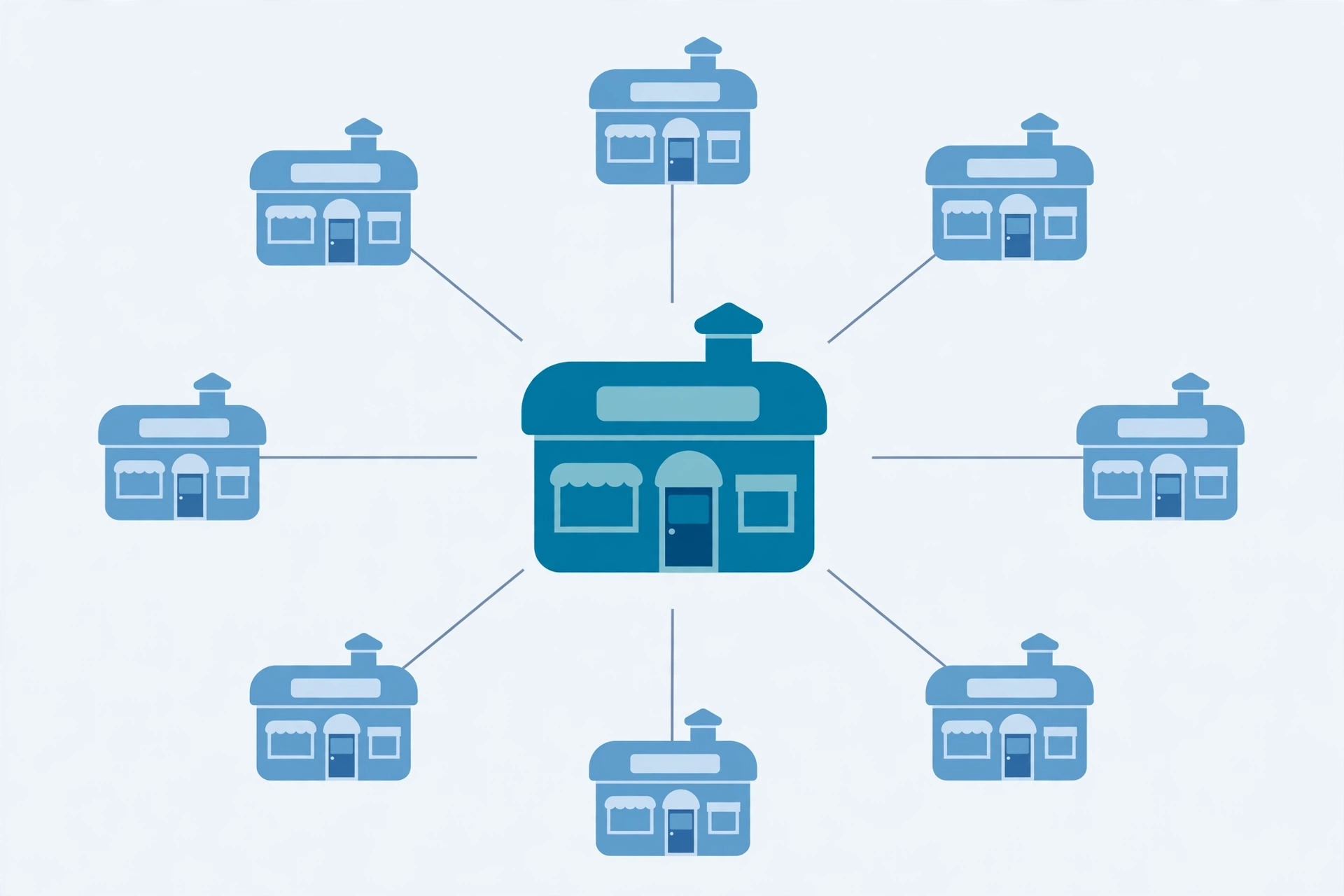
Forget “micro” meaning unimportant — it means small-scale and affordable. A franchise system deliberately designed for first-time entrepreneurs. The parent organisation (the franchisor) builds a business model that is simple, standardised and cheap to replicate. Then it recruits local operators — microfranchisees — who pay a small fee, get trained, and launch their own outlet under the brand’s name.
Here’s what makes it different from starting from scratch:
- A proven playbook. No guessing what to sell or how to price it. The franchisor has already tested it.
- Built-in branding. Customers trust a name they recognise — from day one.
- Shared supply chains. The franchisor buys in bulk and passes on the savings.
- Ongoing support. Training, troubleshooting and marketing help come as part of the deal.
- Affordable entry. A conventional franchise can cost £50,000+ upfront; many microfranchises start for a few hundred to a few thousand pounds, dollars or euros.
How a Microfranchise Actually Works
First, you choose a system that fits your skills and your neighbourhood. Love people? A service kiosk might suit you. Handy? A repair or cleaning franchise could work. The best models need no specialist qualifications — that’s the point.
Then comes training — usually short and practical, sometimes just a few days: the product, the pricing, the customer script, basic bookkeeping.
Then you launch. The franchisor supplies the branded kit: signage, uniforms, packaging, sometimes the equipment. You pay the entry fee (plus often a small ongoing royalty), and the outlet is yours. You keep the profits after those costs.
Finally, you get support. Good franchisors don’t disappear after the sale: they visit, check quality, run refresher training and keep improving the model.
One tip: ask for real earnings data from existing operators — not best-case stories, but typical ones. How much does the average operator take home after fees, stock and rent? How long to break even? A reputable organisation answers plainly. An evasive one is a red flag, full stop.
Real-World Examples That Prove the Concept
VisionSpring is one of the best-known examples: it trains local entrepreneurs to sell affordable reading glasses through small kiosks and door-to-door sales — a limited product range, fixed pricing, and a genuine social mission. Operators earn a living while improving their neighbours’ eyesight.
Health and telecom kiosks are another classic format: small branded outlets offering mobile top-ups, money transfers or basic health products. Overheads stay tiny while the brand and supply system handle the hard parts.
And the idea is gaining ground closer to home. Across the UK, USA and Europe you’ll find low-cost mobile franchise systems — domestic cleaning brands, pet-care services, coffee carts, repair services — where buy-in starts from a few hundred pounds or dollars. Different sectors, same DNA: small, standardised, affordable, replicable.
Microfranchise vs Starting From Scratch
- Startup cost: From scratch, you pay for everything — branding, market research, supplier negotiations, mistakes. A microfranchise bundles much of that into a modest entry fee.
- Risk: Roughly half of independent small businesses close within five years in the US and UK. A microfranchise isn’t risk-free, but you’re following a route others have already walked.
- Speed: You can be trading within weeks, versus months of setup on your own.
- Freedom: The trade-off. You run daily operations, but you follow the brand’s rules on pricing and products.
- Earnings: An independent business has no cap; a microfranchise gives steadier, more predictable income — often exactly what a first-time entrepreneur needs.
Honestly? If you’re new to business and nervous about going it alone, a microfranchise is often the smarter first step. You learn the ropes with a safety net, and nothing stops you going independent later.
Is Microfranchising Right for You?
Do you have a small amount of capital — or access to a modest loan? Are you willing to follow a proven system rather than inventing everything yourself? Do you enjoy dealing with customers? Is there genuine demand in your area?
Yes across the board? Then explore it seriously. But watch for scams: any “franchise” that pressures you to pay quickly or won’t share real operator earnings should be walked away from immediately.
Frequently Asked Questions
What is microfranchising and how much does it cost to start?
Microfranchising is a small-scale franchise model designed for first-time and low-income entrepreneurs. Startup costs are deliberately low — typically from a few hundred to a few thousand pounds, dollars or euros — versus £50,000+ for many conventional franchises.
Do I need business experience to run a microfranchise?
No — that’s one of the main selling points. The systems are simple and standardised, and the franchisor trains you in the product, the sales process and basic bookkeeping. What you need is reliability, willingness to follow the system, and decent people skills.
Can a microfranchise be run part-time?
Many can. Kiosks, mobile services and small retail outlets often fit around school hours or a second job — which is why the model appeals to parents, students and people testing entrepreneurship before leaving employment.
How do I find legitimate microfranchise opportunities?
Look for organisations with existing, visible operators you can talk to, published earnings information, and a clear written agreement. Reputable franchise exhibitions in the UK, USA or Europe are good starting points. Never pay anything before speaking to several current franchisees independently.
Conclusion
So, what is microfranchising in a sentence? It’s a ready-made, low-cost business in a box — the brand, the training, the supplies and the playbook, at a price an ordinary person can afford. It won’t make you a millionaire overnight, but for thousands of entrepreneurs it has done something more valuable: it turned “maybe someday” into “I’m trading this month.”