

If your side hustle earns more than £1,000 in a tax year, you must register for Self Assessment and pay tax on the profit. Earn £1,000 or less and you owe nothing and tell HMRC nothing — that’s the £1,000 trading allowance, unchanged since 2017. Simple, right? Mostly. But side hustle taxes in the UK hide one trap that catches thousands of people every year, and it’s sitting in the very next section.
Whether you’re selling on Vinted, dog-walking at weekends or freelancing after hours, here’s the complete 2026 picture: the line, the dates, the maths and the record-keeping that keeps you out of trouble.

The £1,000 Line: How Side Hustle Taxes UK Rules Actually Work
HMRC gives every UK taxpayer a £1,000 trading allowance each tax year (6 April to 5 April). If your total trading income — everything from all your side activities combined — is £1,000 or less, it’s tax-free and you don’t need to report it. Selling on eBay, odd jobs, freelancing, handmade crafts: it all counts toward the same £1,000. Candles on Etsy and weekend dog-walking share one allowance, not one each.
Cross £1,000 and the rules change: you must register for Self Assessment and file a tax return. Note the exceptions, though — the allowance doesn’t cover income from your employer, your spouse’s employer, a company you control, or a partnership you’re in. That income is taxable from the first pound.
Two common confusions, cleared up. First, there’s a separate £1,000 property allowance for rental-type income (like renting out your driveway) — it works the same way and you can use both in the same year. Second, selling your own unwanted personal items — old clothes, a bike you outgrew — generally isn’t trading at all. The tax rules bite when you’re buying or making things to sell for profit.
The Gross-vs-Profit Trap That Catches People Out
Here’s the trap: the £1,000 test applies to your gross income — what you take in before any costs — not your profit. Sell £1,100 of goods that cost you £900 to make, and your gross is £1,100. You’re over the line. You must register and file, even though your actual profit was only £200.
It feels unfair, and HMRC doesn’t care about your feelings. But there is good news on the other side of the line: once you’re filing, you only pay tax on your profit — income minus allowable expenses. And you get a choice: deduct the £1,000 trading allowance from your income (simple, no receipts needed) or deduct your actual expenses — not both. If your expenses are under £1,000, take the allowance. If they’re over, claim the real costs.
What Happens After £1,000: Register, File, Pay
The timeline matters more than the tax rate, because the penalties are automatic:
- Register for Self Assessment by 5 October after the end of the tax year in which you crossed £1,000. Crossed the line in July 2026? Register by 5 October 2027. Do it at gov.uk — HMRC posts your Unique Taxpayer Reference within about ten working days.
- File your online tax return by 31 January following the tax year. Miss it and HMRC charges an automatic £100 penalty, with daily penalties stacking up after three months.
- Pay what you owe by the same 31 January deadline. You’ll pay Income Tax on the profit at your marginal rate (20%, 40% or 45% depending on your total income including your day job), plus Class 2 and Class 4 National Insurance once profits pass their thresholds.
Register early even if the deadline feels far away. January filers who registered in December discover every year that UTR letters, lost passwords and missing records don’t care about your plans.
Worked Example: £4,000 of Side Income
Let’s make it concrete. Priya works full-time and earns £4,000 gross from freelance design in 2026/27, with £800 of allowable expenses (software, a laptop contribution, travel).
Her profit is £3,200. She can deduct the £1,000 trading allowance instead of her £800 expenses — the allowance wins, leaving £3,000 taxable. As a basic-rate taxpayer she pays 20% on that: £600 in Income Tax, due 31 January 2028, plus a modest National Insurance bill. Her day job’s PAYE is untouched; the side income is simply added on top.
The lesson: at these levels the tax is rarely the scary part. The scary part is discovering in January that you kept no records.
Making Tax Digital Is Coming for Side Hustlers
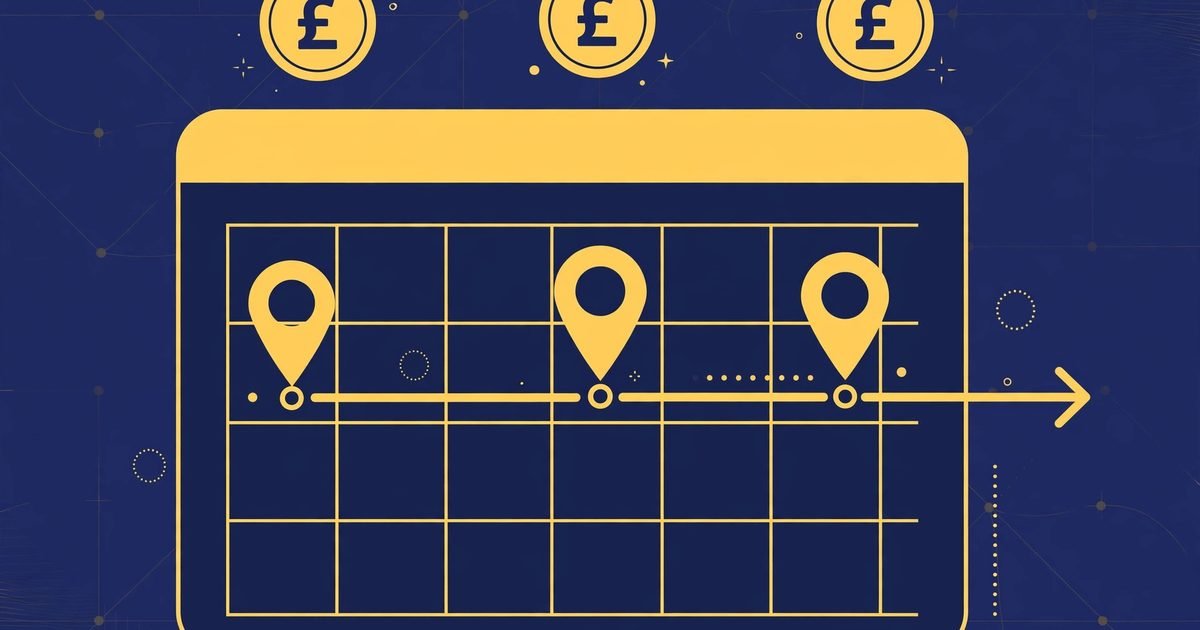
One 2026 change deserves your attention. Making Tax Digital for Income Tax started on 6 April 2026 for people with qualifying income over £50,000. The threshold drops to £30,000 in April 2027 and £20,000 in April 2028. If your combined self-employment and rental income crosses those lines, you’ll need to keep digital records and send HMRC quarterly updates plus a final declaration — no more one January scramble.
Most casual side hustlers won’t hit £30,000 any time soon. But the direction of travel is obvious: HMRC wants digital, quarterly, and on time. Setting up simple digital records now means you’ll already be compliant if your side hustle grows. And since 2024, online platforms like Vinted and eBay share seller data with HMRC anyway — the “they’ll never notice” era is over.
A Record-Keeping System That Takes 20 Minutes to Set Up
The single biggest practical mistake isn’t a tax mistake — it’s mixing side-hustle money with everyday spending. Fix it once:
- Open a separate bank account — even a free one — for all side-hustle income and costs. When everything flows through one place, working out profit takes minutes, not weekends.
- Log every payment in and out in a basic spreadsheet or free invoicing app. Date, description, amount. That’s it.
- Photograph receipts the moment you spend. Not “I’ll find it later” — now. Phone camera, cloud folder, done.
Twenty minutes of setup saves hours of stress every January and gives you proof of expenses if HMRC ever asks questions.
FAQs
Do I pay side hustle taxes in the UK on my first £1,000?
No. The £1,000 trading allowance means your first £1,000 of gross trading income each tax year is completely tax-free, and you don’t need to tell HMRC about it. The allowance has been £1,000 since it was introduced in 2017 and is unchanged for the 2026/27 tax year. You only need to register for Self Assessment once your gross side income goes over £1,000.
When is the Self Assessment deadline for side hustle income?
You must register for Self Assessment by 5 October after the end of the tax year in which your side income passed £1,000. You then file your online tax return and pay any tax owed by 31 January following that tax year. Missing the filing deadline triggers an automatic £100 penalty, with further daily penalties after three months.
Is selling on Vinted taxable in the UK?
Selling your own unwanted personal items on Vinted is generally not taxable — that’s not trading. But if you’re buying items to resell for profit, or making things to sell, that counts as trading income and the £1,000 allowance rules apply. Since 2024, platforms like Vinted and eBay also share seller data with HMRC, so regular sellers should keep records.
Do I pay National Insurance on side hustle income?
Possibly, once your profits are high enough. Side-hustle profits can attract Class 2 and Class 4 National Insurance on top of Income Tax, at rates and thresholds set by HMRC each year. Below the thresholds you pay nothing. Your employed day job’s NI is separate — the side income is assessed on its own profit.
The Bottom Line
Side hustle taxes come down to one number: £1,000 of gross income. Under it, relax. Over it, register by 5 October, file by 31 January, and pay tax on profit — not revenue. Keep a separate account, photograph your receipts, and the whole thing becomes a 20-minute monthly habit instead of a January nightmare.
No. The £1,000 trading allowance means your first £1,000 of gross trading income each tax year is completely tax-free, and you don’t need to tell HMRC about it. The allowance has been £1,000 since it was introduced in 2017 and is unchanged for the 2026/27 tax year. You only need to register for Self Assessment once your gross side income goes over £1,000.
You must register for Self Assessment by 5 October after the end of the tax year in which your side income passed £1,000. You then file your online tax return and pay any tax owed by 31 January following that tax year. Missing the filing deadline triggers an automatic £100 penalty, with further daily penalties after three months.
Selling your own unwanted personal items on Vinted is generally not taxable — that’s not trading. But if you’re buying items to resell for profit, or making things to sell, that counts as trading income and the £1,000 allowance rules apply. Since 2024, platforms like Vinted and eBay also share seller data with HMRC, so regular sellers should keep records.
Possibly, once your profits are high enough. Side-hustle profits can attract Class 2 and Class 4 National Insurance on top of Income Tax, at rates and thresholds set by HMRC each year. Below the thresholds you pay nothing. Your employed day job’s NI is separate — the side income is assessed on its own profit.