





So you’re thinking about taking a microloan — maybe for your small shop or an unexpected bill. You’ve seen the interest rate on the offer and thought: wait, is that… high? You’re not alone. Understanding microloan interest rates is honestly the single most important thing you can do before signing anything, because the rate decides whether that loan lifts you up or quietly drains your pocket.
Here’s the good news: once you understand how these rates work, no lender can confuse — or trick — you again.
Microloan Interest Rates in 2026: The Typical Ranges
In 2026, most microloans carry an annual rate between 15% and 35%. Where you land depends on your country, the lender, and your own profile (more on that below).
For perspective: established microfinance institutions often charge 18–22% per year, while instant-approval digital lenders can exceed 30%. In high-risk regions, rates may climb past 40%. Steep compared to a bank’s 6–12%? Yes — but there’s a reason for that, and there are ways to pay less.
Flat vs Reducing Balance: The Trick Most Borrowers Miss
Two calculation methods exist — and the difference is huge.
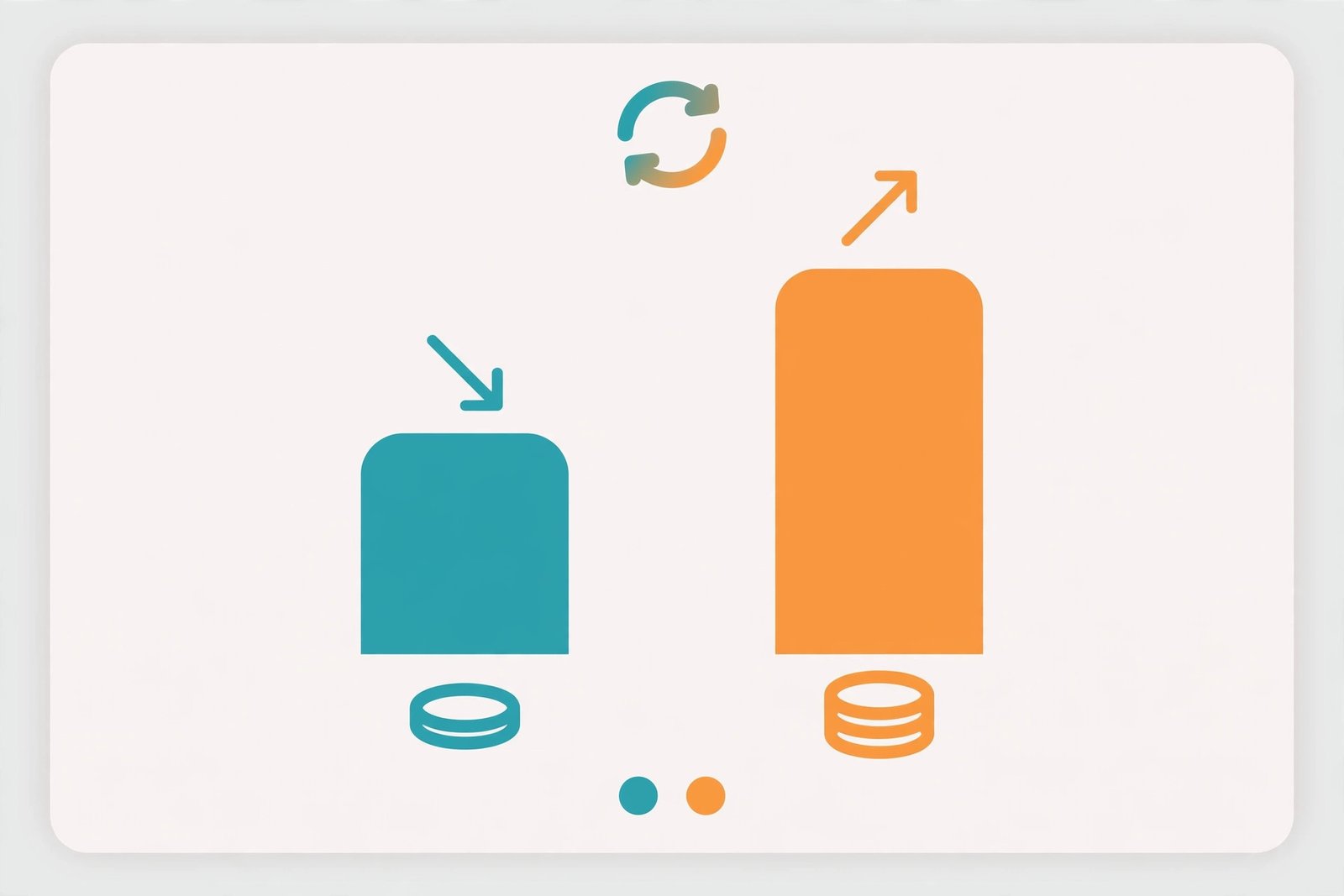
With a flat rate, interest is charged on the full loan amount for the entire term — even though you’re paying the principal down every month. With a reducing balance rate, interest is charged only on what you still owe, which shrinks with every payment.
Real numbers — borrow $1,000 for 12 months at 24%:
- Flat rate: 24% of $1,000 = $240 interest. Total repayment: $1,240.
- Reducing balance: roughly $135 in interest. Total repayment: about $1,135.
Same “24%” — but the flat-rate loan costs you over $100 more. Always ask your lender: “Is this flat or reducing balance?” If they dodge the question, walk away.
Why Are Microloan Rates Higher Than Bank Loans?
It’s a fair question, and the answer is mostly about cost and risk:
- Tiny loan sizes, same paperwork. Processing a $500 loan costs a lender almost as much staff time as a $50,000 one — spread across a much smaller amount.
- No collateral. Banks take your house or car as security. Microloans are usually unsecured, so the lender absorbs the loss if you can’t pay.
- Doorstep service. Many microfinance institutions send officers to villages and markets. Wonderful — but not free.
- Higher default risk. Lenders price in the reality that some borrowers won’t repay, especially first-timers with no credit history.
So yes, rates run higher — but for millions who’d never qualify for a bank loan, it’s the only open door. Just make sure it’s a fair one.
What Decides the Rate You Get?
Two borrowers, same lender, different rates. Here’s why:
Things you can control
- Your repayment history. Repaid a small loan on time before? Lenders reward that with better rates — the fastest way to earn trust.
- Loan size and term. Larger loans over sensible terms often get slightly better rates, since fixed costs spread further.
- Group vs individual loans. Borrowing with a group (members guarantee each other) usually means lower rates than going solo.
Things you can’t control
- Your country’s regulations. Some governments cap microloan rates; others don’t. Caps protect you — though very strict ones can shrink who’s willing to lend.
- Inflation and the lender’s costs. When a lender’s own borrowing costs rise, your rate follows. Not personal; just economics.

How to Calculate What You’ll Actually Pay
Forget the percentage for a moment — work out the total repayment amount. A quick way to estimate:
Total interest ≈ loan amount × annual rate × years. So a $2,000 loan at 20% for 18 months costs roughly $600 in interest — about $2,600 total, or ~$145/month.
Hand math gets messy with reducing-balance loans and fees, so use an online loan calculator — enter the amount, rate, and term to see your monthly payment instantly. (There’s a free one right here on microfintool.com — try it before committing to any offer.) And always add fees: a “low” 15% rate with heavy processing fees can cost more than an honest 22% with none.
5 Proven Ways to Get a Lower Rate
You have more power here than you think:
- 1. Start small and repay perfectly. Take a tiny first loan, repay every installment on time, then borrow bigger at a better rate. Lenders love a clean record.
- 2. Borrow only what you need. Every extra dollar borrowed is a dollar you’re paying interest on. Be ruthless about the amount.
- 3. Compare at least three lenders. Rates for the same profile can differ by 5–10 percentage points. One afternoon of comparison shopping can save you hundreds.
- 4. Ask about group loans. The shared guarantee lowers the lender’s risk — and your rate. Many borrowers save 3–5% this way.
- 5. Negotiate. Seriously — especially with a good history, ask: “Can you do better on the rate?” The worst they can say is no.
Red Flags: Rates That Should Worry You
Watch out for these warning signs:
- Rates above 50–60% APR. In most markets, that’s exploitation, not lending.
- “Small” daily or weekly fees instead of a clear annual rate. A “$2 per day fee” on a $500 loan is a 146% APR in disguise. Always convert to an annual rate.
- No written terms. If the rate, fees, and schedule aren’t on paper (or screen), don’t proceed. Ever.
- Pressure to sign today. Fair lenders give you time to think and compare. Urgency is a sales tactic.
Frequently Asked Questions
What is a good interest rate for a microloan?
15–25% on a reducing-balance basis is generally fair in 2026. Below 15% is excellent; above 35% deserves comparison shopping.
Is a flat rate or reducing balance better for me?
Reducing balance is almost always cheaper, as the example above showed. If a lender only offers flat rates, mentally add 70–80% to the quoted rate to compare fairly with reducing-balance offers.
Can I negotiate my microloan interest rate?
Often yes — especially with a solid repayment history. It costs nothing to ask.
Do microloan interest rates affect my credit score?
The rate itself doesn’t, but your repayment behavior might. Many microfinance institutions now report to credit bureaus, so on-time payments can actually build your credit history.
The Bottom Line
Microloan interest rates aren’t mysterious: 2026 rates run 15–35%, reducing balance beats flat rate, and total repayment matters most. Compare lenders, calculate the real cost, and never sign what you don’t understand.
A microloan at a fair rate can be the best money you ever borrow. Just make sure the rate works for you, not against you.