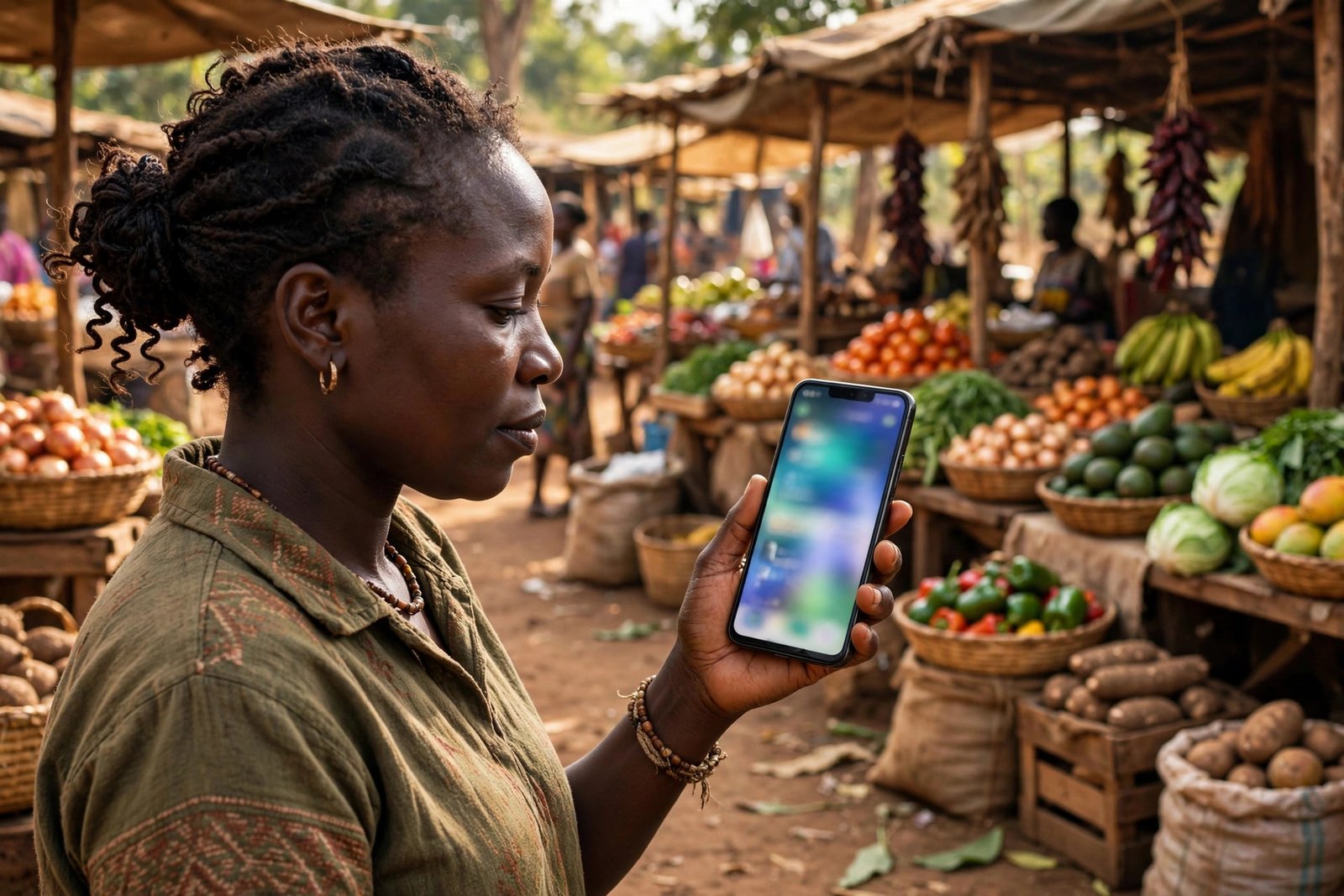
A decade ago, living without a bank account meant living largely on cash. Today, if you’re looking for the best mobile wallets unbanked people can rely on, you’ve got real options. From M-Pesa in Kenya to bKash in Bangladesh and GCash in the Philippines, millions now send, receive, and store money using nothing more than a basic phone. But which wallet actually deserves your money? Let’s break it down.
Why Mobile Wallets Matter for the Unbanked
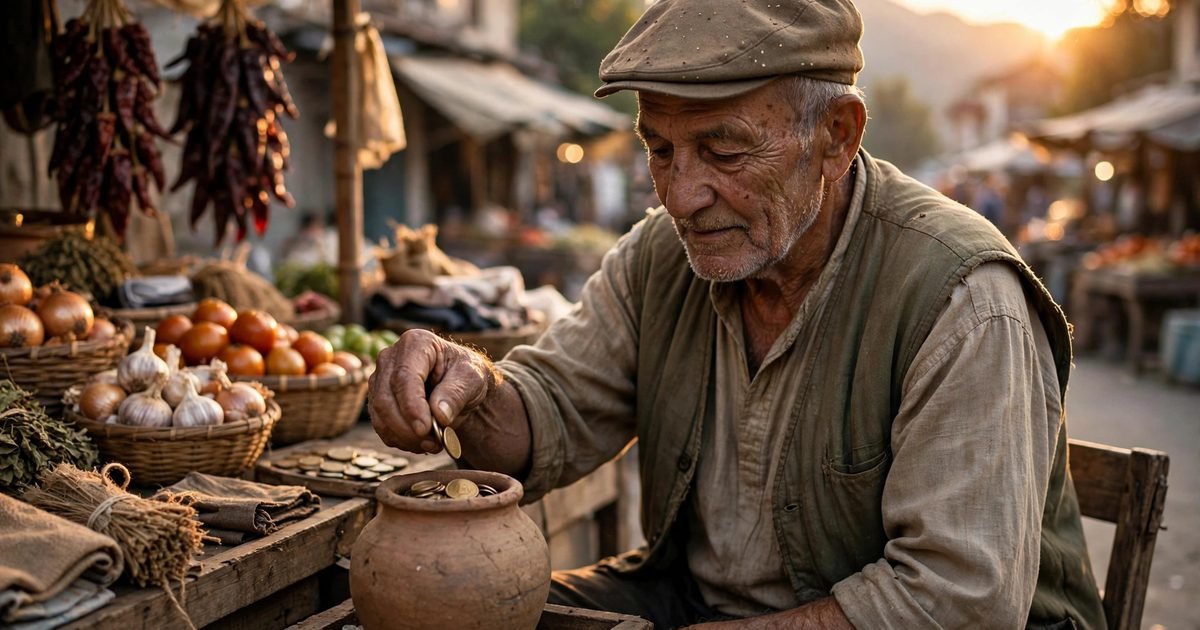
Let’s start with the obvious question: why not just use cash? Cash is simple and universal — but it’s easy to lose, impossible to send over distances, and keeps you locked out of the digital economy. With a good mobile wallet, you can receive wages, pay bills, and send money to family without ever visiting a bank branch. That’s a game-changer for people far from branches or unable to meet minimum balance requirements, and mobile money has now reached hundreds of millions of first-time users worldwide.
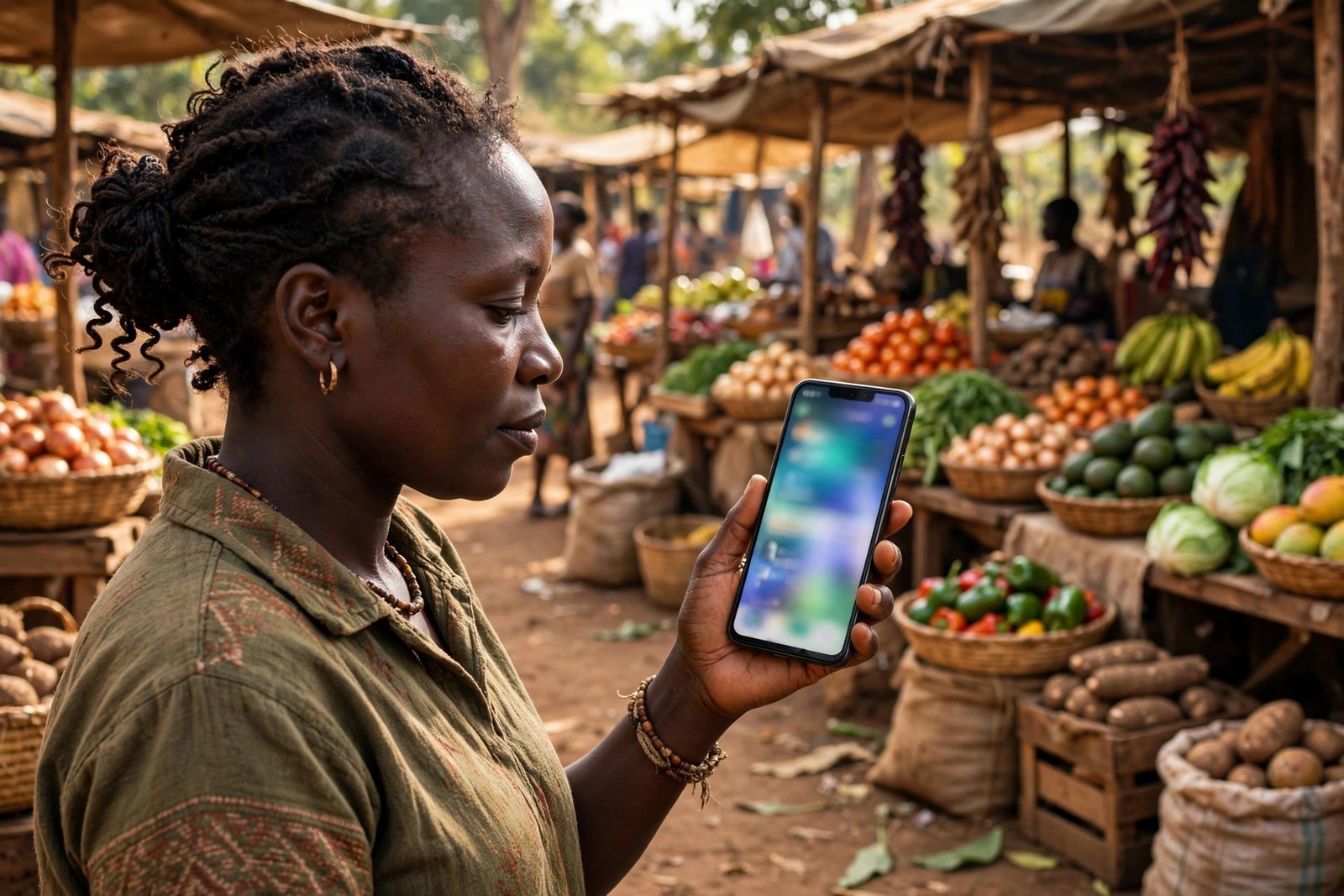
The Best Mobile Wallets Unbanked Users Can Sign Up For
Not every mobile wallet welcomes the unbanked — some require a linked bank card. The ones below are built for people without traditional bank accounts.
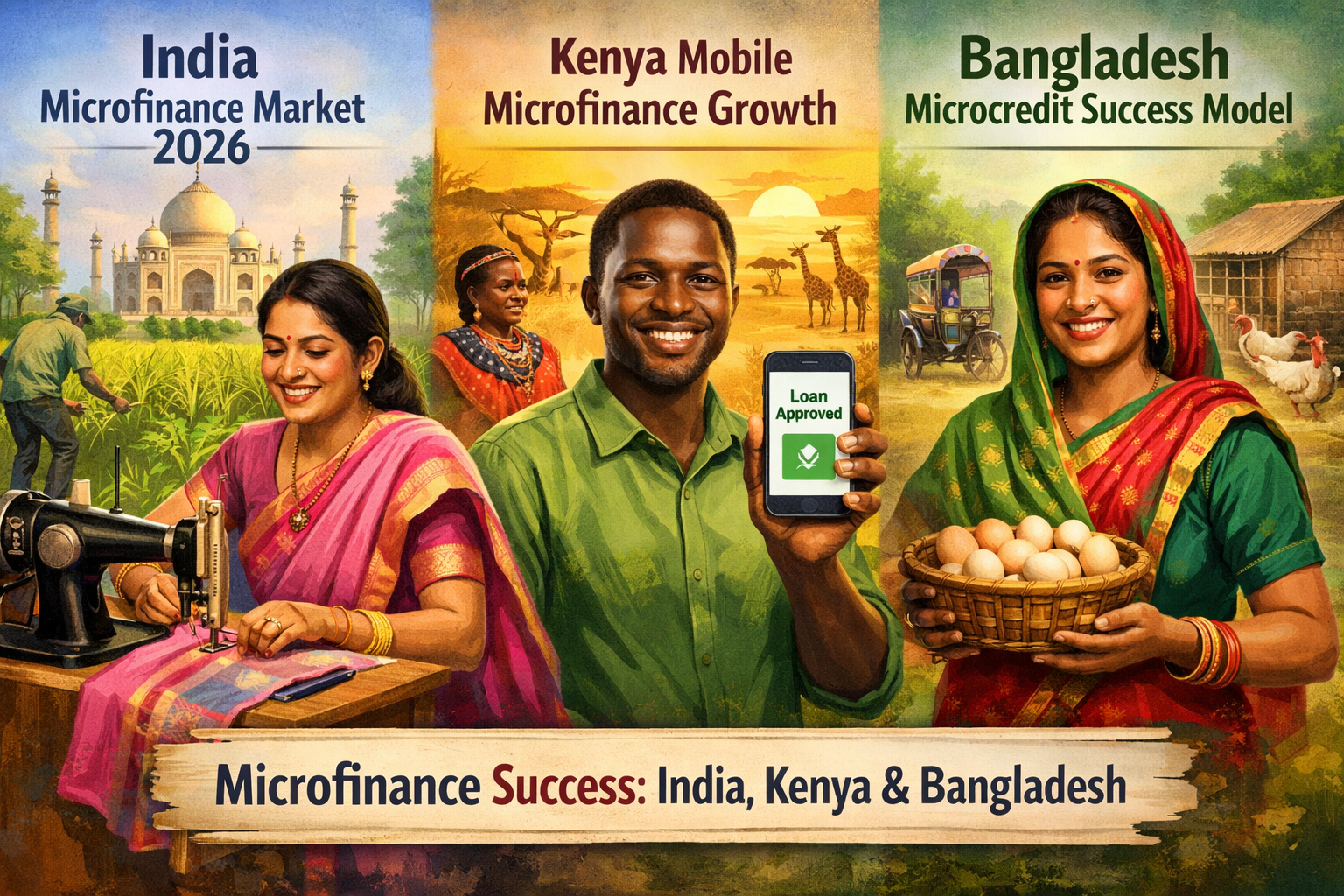
M-Pesa (Kenya, Tanzania, and Beyond)
The original success story: deposit, withdraw, and transfer through a massive network of local agents — no bank account needed, and it even works on basic feature phones via USSD. In parts of Kenya you’d struggle to walk ten minutes without finding an agent.
bKash (Bangladesh)
Bangladesh’s dominant mobile financial service: cash in and out through hundreds of thousands of agents, pay utility bills, receive remittances, and shop online — for garment workers and rural families, bKash has effectively become the bank they never had.
GCash (Philippines)
GCash goes further — beyond transfers and bill payments, it offers savings, micro-investing, and insurance inside the app. Registration typically needs only a mobile number and a valid ID.
Paytm-Style Wallets (India)
India’s wallet ecosystem — led by Paytm alongside PhonePe — lets users transact with minimal onboarding, and wallet-style prepaid options remain popular with users who don’t want to link a bank account for every transaction.
MTN Mobile Money (Africa)
Across West and Central Africa, MTN MoMo provides transfers, bill payments, and even savings products. Its strength is interoperability — in several markets you can send money between different networks, which matters a lot when your family uses a different provider than you do. For many users across the region, it ranks among the best mobile wallets unbanked households can start using today with just a SIM card.
Fees: What You’ll Actually Pay
Here’s the part nobody should skip. Mobile wallets are cheaper than traditional money transfer services, but they’re not free:
- Person-to-person transfers: often free or very cheap between users of the same wallet.
- Cash-out fees: withdrawing cash at an agent usually costs a small fee — this adds up if you cash out frequently.
- Bill payments and merchant payments: typically free or low-cost for the sender.
The golden rule: check the provider’s official fee schedule first — fee tables change, and what a friend told you last year may not apply today.
How to Choose the Right Wallet for You
There is no single “winner” here. The right wallet depends on where you live, what you need, and who’s in your network. Ask yourself:
- Is it available in your country? This is the deal-breaker. M-Pesa won’t help you in the Philippines, and GCash won’t help you in Kenya. Start with what’s actually offered where you are.
- How big is the agent network? A wallet is only useful if you can easily cash in and out near your home and workplace.
- Who are you sending money to? If your family uses bKash, you probably want bKash — same-network transfers are almost always cheaper.
- What are the fees for YOUR usage? If you cash out twice a week, cash-out fees matter more than transfer fees. Match the fee structure to your habits.
- Does it work on your phone? Some wallets need a smartphone and internet; others work via USSD on a basic feature phone.
Staying Safe: Practical Security Tips
Mobile wallets are generally safe — but most problems come from human error, not the technology. A few non-negotiable habits:
- Never share your PIN or OTP with anyone. Not the agent. Not “customer support” on the phone. Nobody.
- Verify before you confirm. Check the recipient’s name and number before hitting send — sent money is notoriously hard to get back.
- Use official agents only and keep your SMS confirmations.
- Keep your SIM secure. Your phone number IS your wallet identity — set a SIM PIN and report a lost phone immediately.
- Watch out for scam SMS and calls. Fake “prize” messages and callers pretending to be the wallet company are the most common frauds. When in doubt, hang up and call the official helpline yourself.
Frequently Asked Questions
Can I really use a mobile wallet with no bank account at all?
Yes — that’s exactly what wallets like M-Pesa, bKash, and GCash were built for. You register with your mobile number and an ID, then cash in through a local agent. No bank account, no credit check.
What do I need to sign up for a mobile wallet?
Typically just a mobile number and a valid government-issued ID (requirements vary by country). Some wallets offer a basic account with minimal details, upgrading to higher limits after full verification.
Are mobile wallets safe for storing money?
Reputable mobile wallets are regulated financial services with PIN protection, transaction records, and fraud monitoring. Your money is generally far safer in a wallet than under a mattress — most losses come from scams, not system failures, so keep your PIN private.
Can I receive money from abroad in a mobile wallet?
In many cases, yes. Several providers partner with i
Which mobile wallet works in most countries?
Availability is regional (M-Pesa in Africa, GCash in the Philippines, etc.); check which services operate in your country first.
nternational remittance services so money sent from abroad lands directly in the wallet — usually cheaper than traditional wires, though the exchange rate markup can matter more than the stated fee.
Conclusion
The best mobile wallets unbanked users can choose in 2026 share one thing: they meet people where they are — no bank branch, no paperwork marathon, no minimum balance. Whether it’s M-Pesa’s agent network, bKash’s dominance in Bangladesh, GCash’s all-in-one approach, or MTN MoMo’s reach across Africa, the right choice comes down to your country, your needs, and your network.
Start with what’s available where you live, check the real fee schedule, sign up with official agents, and guard your PIN like it’s cash — because, in a very real sense, it is. Financial inclusion isn’t some abstract concept anymore. It’s sitting in your pocket, one registration away.
Availability is regional (M-Pesa in Africa, GCash in the Philippines, etc.); check which services operate in your country first.