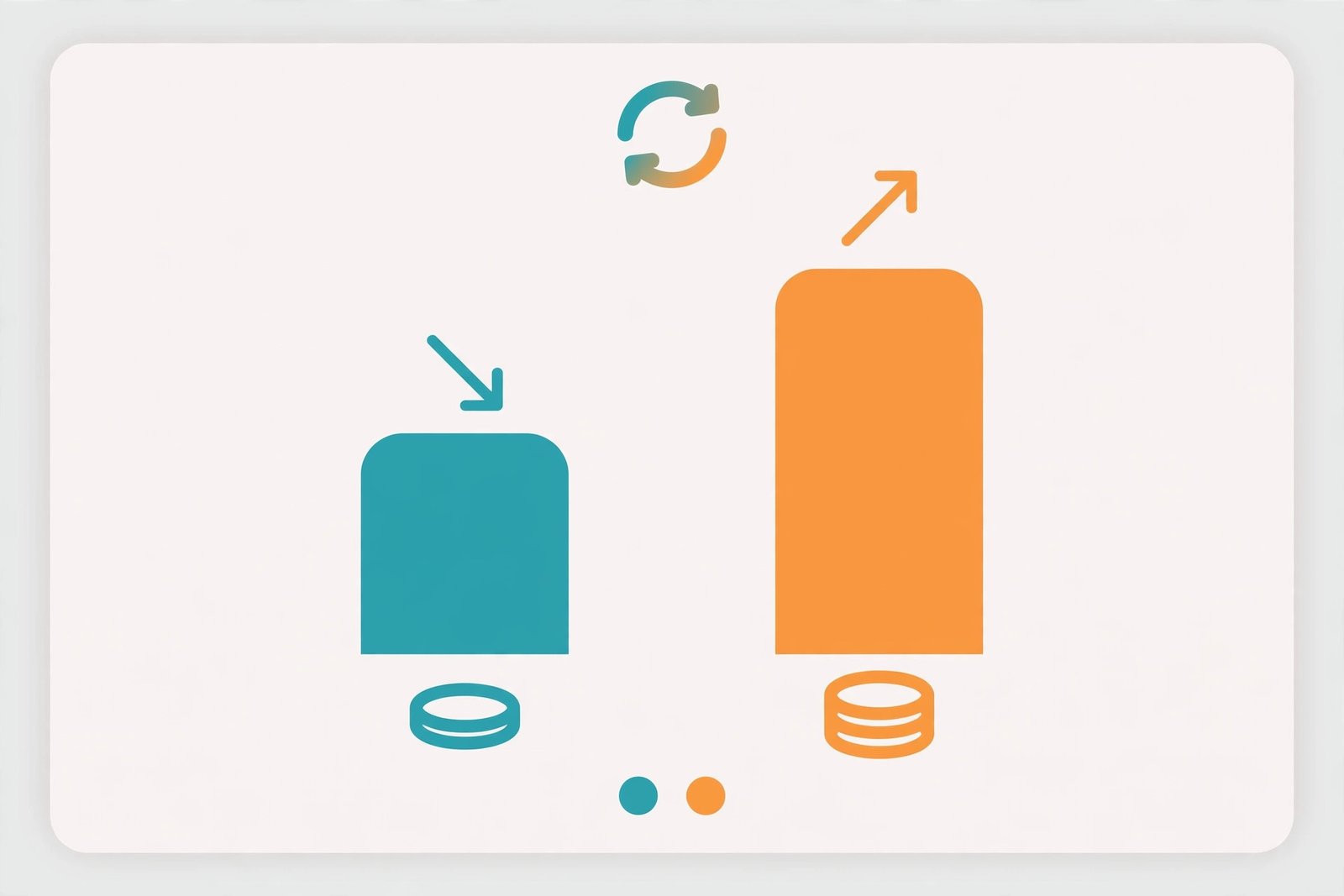




Debt management plan UK explained in one line: a DMP is an informal deal where you make one affordable monthly payment to a provider, who splits it between your creditors. You repay everything you owe — but at a pace you can actually manage — and free charities like StepChange and PayPlan will set the whole thing up for you at no cost.
Sounds almost too reasonable, doesn’t it? A DMP is the least dramatic of the UK’s debt solutions — no court, no insolvency register, no debt written off. For many people, that quiet simplicity is exactly the point.

What a DMP Actually Is (and Isn’t)
A Debt Management Plan is an informal agreement between you and your creditors to repay your unsecured, non-priority debts — credit cards, personal loans, store cards, overdrafts. You make one monthly payment to your provider, who distributes it to creditors pro-rata (each gets a share proportional to what they’re owed).
Crucially, a DMP is not legally binding. Creditors aren’t obliged to accept reduced payments or freeze interest — though in practice most do, especially when a recognised charity is running the plan. And you’re not locked in: you can cancel if your circumstances improve.
What a DMP is not: it doesn’t write off any debt (unlike an IVA or bankruptcy), it can’t include priority debts like rent arrears or council tax (deal with those first, separately), and it isn’t a quick fix — plans often run several years.
Debt Management Plan UK Explained: Free vs Fee-Charging Providers
This is the single most important choice you’ll make, so read it twice: you never need to pay for a DMP. Free providers do everything a fee-charger does, and every pound goes to your creditors instead of to fees.
- StepChange Debt Charity — the UK’s largest free provider; full advice and DMP setup at no cost.
- PayPlan — free DMPs and broader debt advice, funded by creditor contributions, not client fees.
- Citizens Advice and National Debtline — free, impartial guidance on whether a DMP (or something else) suits you.
Fee-charging debt management companies are legal if authorised by the Financial Conduct Authority — but set-up fees and monthly handling charges mean less of your money reaches your debts. If a company cold-calls you about debt help, be cautious: reputable free charities don’t need to.
DMP vs IVA vs DRO: Which Fits?
A DMP is one of three main routes. Here’s the honest comparison:
- DMP: informal, flexible, no minimum debt level; you repay everything over time, with no legal protection from creditors and no entry on the public Insolvency Register. Best when breathing room is all you need.
- IVA (Individual Voluntary Arrangement): legally binding, usually 5–6 years; creditors can’t add interest once approved and remaining debt is written off at the end. Typically needs £6,000+ of debt and regular income. Appears on the Insolvency Register.
- DRO (Debt Relief Order): for debts under £50,000 with minimal assets and low surplus income; debts frozen 12 months then written off. Strict eligibility, £90 fee.
In Scotland, the equivalent of a DMP is a Debt Payment Programme under the Debt Arrangement Scheme. A free adviser will tell you which route fits — don’t pay anyone to make that call.
What a DMP Does to Your Credit File
Let’s be straight: a DMP will affect your credit score. The plan itself isn’t usually recorded as a separate entry, but the reduced or missed payments that form part of entering it generally are — and those markers stay on your file for six years.
But context matters. If you’re already missing payments, your file is already taking damage, and a DMP at least shows you’re addressing the debt responsibly. Many people find their score starts recovering once balances fall. Think of it as controlled, honest damage versus chaotic damage — lenders can tell the difference.
How to Start a DMP: The Actual Steps
- List everything you owe — every card, loan and overdraft with balances. No guessing.
- Separate priority debts (rent/mortgage arrears, council tax, energy, court fines) from non-priority ones. Priority debts come first and can’t go in the DMP.
- Work out your budget — income minus essential living costs. What’s left is your affordable monthly payment. Be realistic.
- Contact a free provider — StepChange’s online advice tool takes about 20 minutes and gives a personalised recommendation.
- Let them negotiate — the provider contacts creditors, proposes reduced payments and asks them to freeze interest and charges.
From first call to running plan typically takes a few weeks. Keep paying what you can in the meantime and keep every letter — organisation now saves stress later.
FAQs
Will my creditors definitely accept a debt management plan?
Creditors are not legally obliged to accept a debt management plan because a DMP is informal, not court-ordered. In practice, most major creditors do accept DMPs — especially ones arranged by recognised charities like StepChange — and many agree to freeze interest and charges. Each creditor decides individually and can technically change its mind later.
Debt management plan UK explained: how long does a DMP last?
A debt management plan UK advisers set up has no fixed legal term — it lasts until the debts are repaid at your affordable monthly rate. For smaller balances that can be two to three years; larger debts can take much longer. Because a DMP is flexible, you can increase payments or settle early if your income improves.
Can I still get credit while on a DMP?
Taking on new credit while on a DMP is strongly discouraged and most providers ask you not to borrow further during the plan. Your credit file will show the reduced payments, so mainstream lenders are unlikely to approve new applications anyway. The whole point of the plan is stabilising what you owe, not adding to it.
Is a DMP better than an IVA?
A DMP suits people who can repay everything they owe given more time and lower payments; an IVA suits those who need legal protection and some debt written off after five to six years. A DMP is more flexible and stays off the public Insolvency Register, while an IVA binds creditors by law. Free debt advice will recommend the right one for your situation.
Do I have to pay for a debt management plan?
No — you never have to pay for a debt management plan. Charities including StepChange, PayPlan, Citizens Advice and National Debtline set up and run DMPs completely free. Fee-charging companies are legal if FCA-authorised, but their fees mean less of your money reaches creditors and the plan lasts longer.
Debt problems thrive on avoidance — unopened letters, minimum payments, hoping it resolves itself. A DMP is the opposite: one honest number, one monthly payment, and a finish line you can see. If the maths of your current payments doesn’t work, twenty minutes with a free adviser is the best investment you’ll make this year.
Creditors are not legally obliged to accept a debt management plan because a DMP is informal, not court-ordered. In practice, most major creditors do accept DMPs — especially ones arranged by recognised charities like StepChange — and many agree to freeze interest and charges. Each creditor decides individually and can technically change its mind later.
A debt management plan UK advisers set up has no fixed legal term — it lasts until the debts are repaid at your affordable monthly rate. For smaller balances that can be two to three years; larger debts can take much longer. Because a DMP is flexible, you can increase payments or settle early if your income improves.
Taking on new credit while on a DMP is strongly discouraged and most providers ask you not to borrow further during the plan. Your credit file will show the reduced payments, so mainstream lenders are unlikely to approve new applications anyway. The whole point of the plan is stabilising what you owe, not adding to it.
A DMP suits people who can repay everything they owe given more time and lower payments; an IVA suits those who need legal protection and some debt written off after five to six years. A DMP is more flexible and stays off the public Insolvency Register, while an IVA binds creditors by law. Free debt advice will recommend the right one for your situation.
No — you never have to pay for a debt management plan. Charities including StepChange, PayPlan, Citizens Advice and National Debtline set up and run DMPs completely free. Fee-charging companies are legal if FCA-authorised, but their fees mean less of your money reaches creditors and the plan lasts longer.