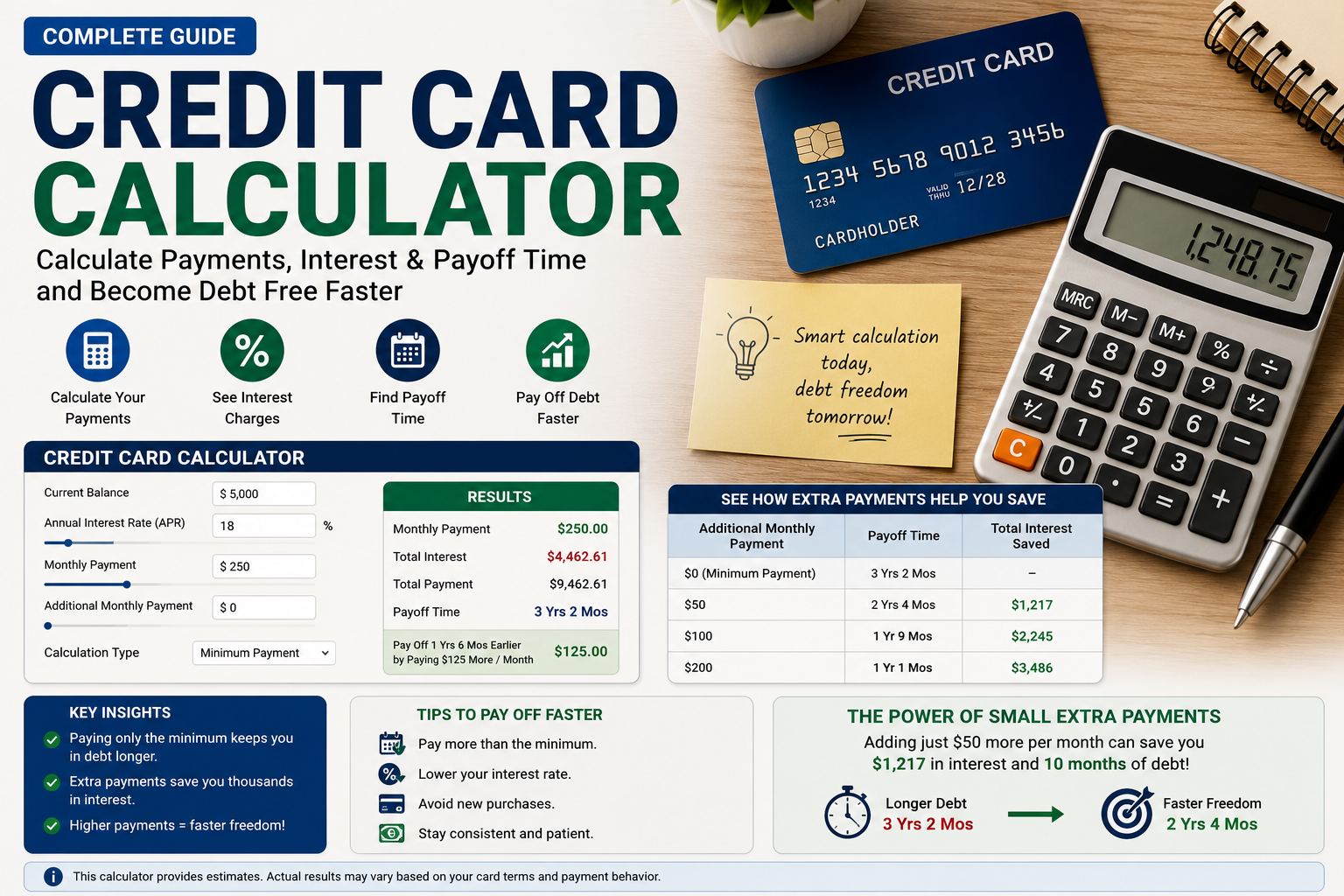






Let’s be honest: debt is exhausting. Not just the balances — the constant low-level stress of statements you avoid opening and mental math every time you swipe a card. If you’re searching for how to get out of debt fast, you don’t want vague advice like “spend less.” You want a plan that works, starting this week.
Here’s the good news: most people carry more power than they think. Interest, minimum payments, and scattered balances make debt feel chaotic, but once you line everything up in one place it becomes a math problem — and math problems can be solved. The seven steps below are the exact sequence financial coaches use with clients. Follow them, and debt that might have lingered a decade can be gone in 12 to 36 months.

Step Zero: Get the Full Picture Before You Start
You can’t fight what you can’t see. Spend one evening listing every debt you owe: credit cards, personal loans, buy-now-pay-later balances, money owed to family — everything. For each one, note the lender, balance, interest rate, and minimum payment.
Most people get a surprise here, and not a pleasant one. That “small” store card might charge 24% APR, making it far pricier than the bigger loan at 11%. This list is your battle map. Without it, you throw money at whichever lender shouts loudest — which is how people stay stuck for years.
7 Steps That Show You How to Get Out of Debt Fast
Step 1: Build a bare-bones budget
I know, budgets sound boring. But a budget isn’t about deprivation — it’s about finding the leak. Track every expense for one month, even the tiny ones. Most people find $150–$300 slipping into forgotten subscriptions and impulse buys.
That money becomes your debt-killing fund. Redirect every dollar you uncover into extra payments. Just $200 a month freed up adds $2,400 a year toward your balances — worth even more once compounding works in your favour.
Step 2: Pick a payoff method and commit
Two famous approaches, and both work. The avalanche method targets the highest-interest debt first while you pay minimums on the rest — fastest mathematically. The snowball method knocks out the smallest balance first for quick wins — fastest behaviorally.
Which is better? The one you’ll stick to. The method matters far less than the commitment. Pick one today and automate the payments so willpower stays out of it.

Step 3: Stop adding to the pile
This one stings, but it’s non-negotiable: while paying debt down, stop creating new debt. Put the credit cards in a drawer and use debit or cash for daily spending. If an emergency hits (and it will), that’s what the next step is for.
Step 4: Build a tiny emergency buffer
A $500–$1,000 emergency fund sounds counterintuitive when you’re racing to learn how to get out of debt fast, but it’s what keeps you from reaching for the credit card the moment the car breaks down. Every time that happens without a buffer, your progress resets to zero.
Step 5: Negotiate your rates and terms
Most people never do this, and it costs them thousands. Call each card company and ask — politely but firmly — for a lower APR. Try this script: “I’ve been a customer for X years, I’ve paid on time, and I’d like a lower rate to help me pay this off faster.”
You’ll hear no sometimes. But plenty of callers get their rate knocked down 3–7 points just by asking, and some get late fees waived. Ask about hardship programs too if you’re genuinely struggling — many lenders have them and don’t advertise.
Step 6: Boost your income temporarily
Cutting expenses has a floor; earning more doesn’t. Even $300–$500 extra a month dramatically shortens your timeline: freelance work in a skill you already have, selling unused stuff, weekend shifts, tutoring, delivery apps, overtime.
The key word is temporarily. This is a sprint, not a lifestyle. Pour 100% of the extra income into your targeted debt. Twelve months of intensity can erase what would otherwise take three years.
Step 7: Track, celebrate, and protect your progress
Here’s where plans die: they go quiet. Keep your debt list visible and update it monthly. Watching $8,400 drop to $6,100 to $3,800 is addictive in the best way. Celebrate milestones modestly — then redirect that old payment into savings once you’re debt-free.
What Slows Most People Down
Two traps catch almost everyone. First: paying only minimums. On a $5,000 balance at 22% APR, minimums can stretch the payoff past 15 years and double what you pay. Second: the “I’ll start when things settle down” delay. Things rarely settle down. Starting messy this month beats starting perfectly next year.
One honest note: if payments eat more than 40% of your income, talk to a nonprofit credit counseling agency before things spiral. Legitimate counselors (look for NFCC members) can set up debt management plans with reduced rates, and the first session is free.
Frequently Asked Questions
How fast can I realistically get out of debt?
It depends on the balance, your rates, and how much extra you throw at it. Someone with $10,000 in card debt paying $400 a month can be done in about 2–3 years; add $300 a month of extra income and it shrinks toward 18 months.
Should I pay off debt or save first?
Build the small $500–$1,000 buffer first, then attac
What is the fastest way to pay off debt?
The avalanche method (highest interest first) saves the most money; the snowball method (smallest balance first) builds momentum fastest.
k debt aggressively. High-interest debt (above ~8–10%) almost always costs more than savings earn, so paying it off is your best investment right now.
Will paying off debt hurt my credit score?
Closing old cards can dip your score briefly, but shrinking balances lower your credit utilization — one of the biggest score factors — so most people see their score climb within months.
Is debt consolidation a good idea?
It can be, if the new rate is genuinely lower and you stop using the old cards. But it’s a tool, not a solution — without changed habits, many people consolidate, run the cards back up, and end up worse off.
Your Next Move
Learning how to get out of debt fast isn’t about secret tricks — it’s a clear list, a chosen method, no new borrowing, negotiated rates, a little extra income, and the discipline to track it all. Seven steps, one evening to start.
So here’s the challenge: tonight, make the list. Just the list. Tomorrow, pick your method and automate the first extra payment. Small actions repeated monthly are exactly how thousands of people go from drowning to debt-free. Your turn starts now.
The avalanche method (highest interest first) saves the most money; the snowball method (smallest balance first) builds momentum fastest.