







Introduction
You have a business idea, or maybe a small business that needs a push — new equipment, more inventory, a bit of working capital to get through a slow season. The bank wants two years of financial statements and collateral you don’t have. So what now? If you’re wondering how to get a microloan, this guide walks you through the entire process.
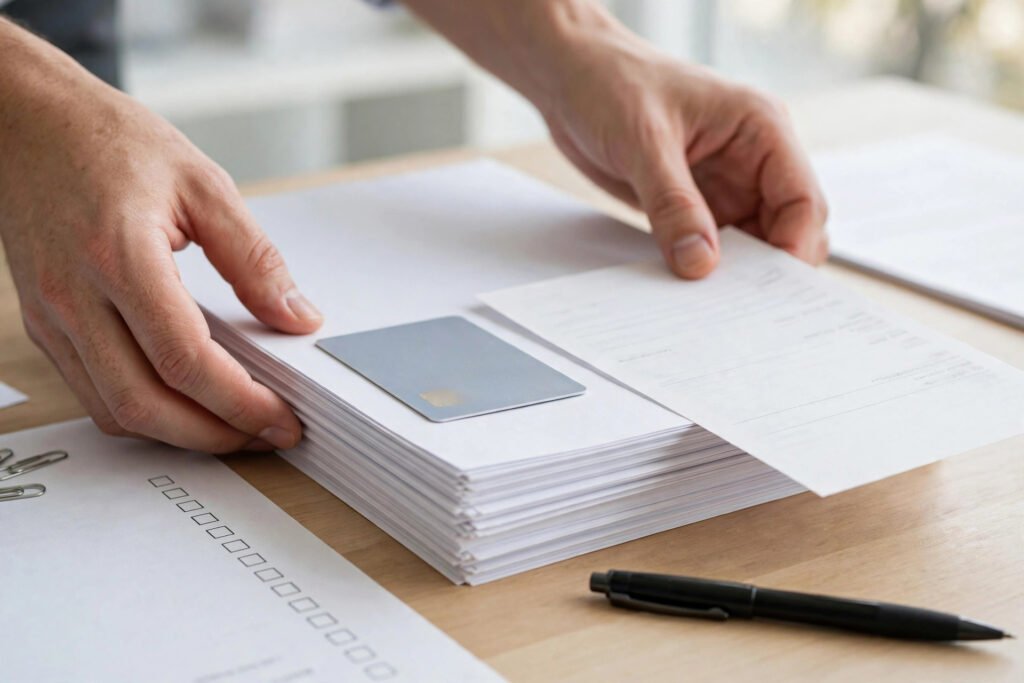
Learning how to get a microloan is one of the most practical moves you can make. Microloans are small loans — usually from $500 to $50,000 — designed for people exactly like you: first-time borrowers, tiny businesses, and anyone the traditional banking system overlooks. The application process is refreshingly human. Lenders look at your idea, your cash flow, and your character, not just your credit score.
This guide walks you through the whole process, step by step, so you can apply with confidence instead of guessing.
What Exactly Is a Microloan?
Before we get into the steps, a quick definition. A microloan is a small, short-to-medium-term loan offered by microfinance institutions (MFIs), nonprofit lenders, community development organizations, and some government programs. In the United States, the SBA Microloan program caps loans at $50,000, with the average borrower receiving somewhere between $13,000 and $15,000.
The key difference from a bank loan: microlenders exist to say yes to people banks say no to. Startups with no operating history, borrowers with thin credit files, home-based businesses — these are their core customers, not exceptions.
Step 1: Figure Out How Much You Actually Need
This sounds obvious, but most first-time borrowers skip it and either ask for too much or too little. Sit down and write out exactly what the money is for.
Be specific. “I need $8,000” is weak. “I need $8,000: $4,500 for a commercial sewing machine, $2,000 for three months of fabric inventory, and $1,500 as a buffer for slow weeks” is strong. Lenders love this kind of clarity because it shows you’ve thought it through.
A good rule of thumb: borrow the smallest amount that genuinely solves the problem. Smaller loans mean smaller monthly payments, less interest paid overall, and a much easier approval. If $3,000 fixes it, don’t ask for $10,000 just because it’s available.
Step 2: Check the Basic Eligibility Requirements
Eligibility for microloans is far more forgiving than for bank loans, but there are still ground rules. While every lender sets its own criteria, most microlenders ask for the same basics:
- You run (or are starting) a for-profit business, even a very small or home-based one.
- You are an adult with valid identification.
- You can show some form of income or a realistic plan to generate revenue.
- You don’t have an active bankruptcy or an unresolved default on a government loan.
Notice what’s missing: no minimum credit score in most cases, no years of business history required, no demand for property as collateral. Many microlenders work with borrowers whose credit scores sit in the 575–600 range. Some don’t check credit scores at all, focusing instead on your current ability to repay.
Step 3: Gather Your Documents
Paperwork is where applications usually stall, so get organized early. You typically won’t need a mountain of documents, but having these ready speeds everything up:
- Government-issued ID — passport, driver’s license, or national ID card.
- Proof of address — a utility bill or rental agreement in your name.
- Bank statements — usually the last 3 to 6 months, showing your income and spending patterns.
- Proof of income or revenue — pay slips, sales records, invoices, or even mobile money transaction history.
- A simple budget — a one-page breakdown of how you’ll use the loan and how you’ll repay it.
If you’re just starting out and don’t have business bank statements yet, personal statements plus a clear plan can be enough for many microlenders. When in doubt, call the lender and ask what they accept — a ten-minute conversation can save you weeks of back-and-forth.
Step 4: Find the Right Microlender
Not all microlenders are the same, and picking the right one matters more than most people realize. Here’s where to look:
- Nonprofit microlenders — mission-driven organizations that often offer the fairest terms and free business coaching alongside the loan.
- Government programs — the SBA Microloan program in the US works through local intermediary lenders; similar schemes exist in many countries.
- Credit unions and community banks — many run small-dollar loan programs for local businesses.
- Reputable online microlenders — convenient and fast, but compare the total cost carefully; online rates can be higher.
Compare at least three lenders before applying. Look beyond the interest rate: check fees, repayment terms, how fast they fund, and whether they offer business support. A lender that helps you with bookkeeping or reviews your business plan is worth more than a slightly lower rate from a lender that just wires money and disappears.
Step 5: Write a Simple One-Page Business Plan
You don’t need a 40-page document with market analysis charts. Microlenders want to see that you’ve thought about three things: what you’ll do with the money, how you’ll earn enough to repay it, and what happens if things go slower than expected.
One page is plenty. Include:
What your business does (or will do) in two or three sentences.
Exactly how you’ll spend the loan, with amounts.
Your expected monthly revenue and expenses for the next six months.
Your monthly loan payment and how it fits into that budget.
If numbers aren’t your strong suit, this is exactly the kind of thing a free loan calculator can help with — plug in the loan amount, rate, and term to see your real monthly payment before you commit.
Step 6: Apply and Follow Up
With your documents and one-page plan ready, applying is usually straightforward — many microlenders accept online applications that take under an hour. Be honest and complete on every question. Lenders would much rather hear “my credit took a hit two years ago when I lost my job, here’s what changed since” than discover it themselves.
After you apply, don’t just wait in silence. Follow up politely after a week. Ask if they need anything else. Microlenders are people, and showing you’re engaged and serious genuinely helps. Most decisions come through in two to six weeks, though some online lenders move faster.
Common Reasons Microloan Applications Get Rejected
It happens, and it’s rarely the end of the road. The most common reasons:
- Unclear use of funds. “For business purposes” isn’t enough. Be specific about every dollar.
- No repayment plan. If you can’t show how the monthly payment fits your cash flow, the lender can’t say yes.
- Over-borrowing. Asking for far more than your revenue can support is a red flag.
- Incomplete application. Missing documents are the most fixable rejection reason — and the most common.
If you’re turned down, ask the lender why. Most will tell you, and that feedback is gold for your next application.

How to Get a Microloan
Do I need good credit to get a microloan? Not necessarily. Many microlenders accept scores as low as 575–600, and some don’t weigh credit scores heavily at all. They care more about your current income and repayment plan.
How long does it take to get a microloan? Typically two to six weeks from application to funding, depending on the lender. Online microlenders can sometimes fund within days.
Can I get a microloan to start a brand-new business? Yes. Unlike banks, microlenders routinely fund startups — a solid business plan matters more than operating history.
What interest rate will I pay? It varies widely. SBA microloans in the US typically run 8–13% annually. Nonprofit and developing-market microlenders may charge more, reflecting higher operating costs. Always compare the total repayment amount, not just the rate.
Do I need collateral? Often no. Many microloans are unsecured or use flexible alternatives like group guarantees. Requirements vary by lender, so ask upfront.
Conclusion: Your Next Three Moves
Getting a microloan isn’t complicated once you break it into steps. To recap:
Calculate your real need — write down exact amounts and purposes before talking to any lender.
Prepare like a professional — ID, bank statements, and a one-page plan with a realistic repayment budget.
Compare lenders, then apply — talk to at least three, pick the best total deal, and follow up after applying.
The money is out there, and it’s designed for borrowers like you. The lenders who offer microloans want you to succeed — your repayment is their business model. Walk in prepared, borrow only what you need, and you’ll be in a far stronger position than most first-time applicants.
You’ll typically need a government-issued ID, proof of address (utility bill or rental agreement), bank statements from the last 3 to 6 months, proof of income or revenue, and a simple one-page budget showing how you’ll use the loan and repay it.
Look for nonprofit microlenders, government programs like the SBA Microloan program, credit unions and community banks with small-dollar loan programs, and reputable online microlenders. Compare at least three lenders on fees, repayment terms, and total cost — not just the interest rate.
Ask the lender why — most will tell you. Common reasons include unclear use of funds, no repayment plan, over-borrowing, or missing documents. Fix the specific issue and reapply; a rejection is rarely the end of the road.
Borrow the smallest amount that genuinely solves the problem. Be specific about every dollar — for example, itemize equipment, inventory, and working capital separately. Smaller loans mean lower payments and less risk.



2 thoughts on “How to Get a Microloan: A Step-by-Step Guide for First-Time Borrowers (2026)”