



With the Federal Reserve raising rates again in September 2026, the best high-yield savings accounts in the USA are now paying up to 5.00% APY. Compare that with the national average savings rate of just 0.38%, and the difference is hundreds of dollars a year on the same balance. This guide compares the top accounts, explains why rates are rising, and shows the real math on what switching is worth.
Best High-Yield Savings Accounts USA 2026: Top Rates
Rates change often, so always confirm the current APY before opening an account. As of October 2026, these are among the strongest options, all FDIC-insured:
| Account | APY | Key Requirement | Monthly Fee |
|---|---|---|---|
| Axos ONE | 5.00% | $1,500 in bundled checking + qualifying direct deposits | $0 |
| GO2bank | 4.50% | Top rate on balances up to $5,000 | $5 (waivable) |
| Pibank | 4.25% | No minimum balance or requirements | $0 |
| E*TRADE Premium Savings | 4.25% | No minimum; rate guaranteed 6 months | $0 |
| SoFi Savings | 4.20% | Direct deposit or $5,000 monthly deposit | $0 |
| Marcus by Goldman Sachs | 3.50% | None | $0 |
The top 1% average savings rate is around 4.01% APY according to DepositAccounts.com, so anything in the 4%+ range is genuinely competitive.
Why the Fed Rate Hikes in 2026 Matter for Savers
At its September 2026 meeting, the Federal Reserve raised the federal-funds rate by 25 basis points, its first hike since 2023, and officials signaled at least one more increase could follow this year. When the Fed raises its benchmark rate, banks’ funding costs rise and online banks compete for deposits by lifting savings APYs. That is why headline rates have climbed back toward 5%. The catch: banks can cut rates just as quickly if the Fed pivots, so locking in today’s APY matters more than chasing the absolute top number.
FDIC vs NCUA Insurance Explained
Never put savings in an uninsured account. In the US, bank deposits are protected by the FDIC up to $250,000 per depositor, per institution, per ownership category. Credit union deposits get the same $250,000 protection through the NCUA. Every account in the table above carries one of these two protections, which means your money is safe even if the institution fails. If your balance exceeds $250,000, spread it across institutions or ownership categories to stay fully covered.
The $800-a-Year Difference: Worked Math
Here is what the rate gap means on a $10,000 emergency fund over one year:
- Average big-bank account at 0.38%: earns about $38 in a year.
- High-yield account at 4.25%: earns about $425 in a year.
- Difference: roughly $387 extra per year for moving the same money.
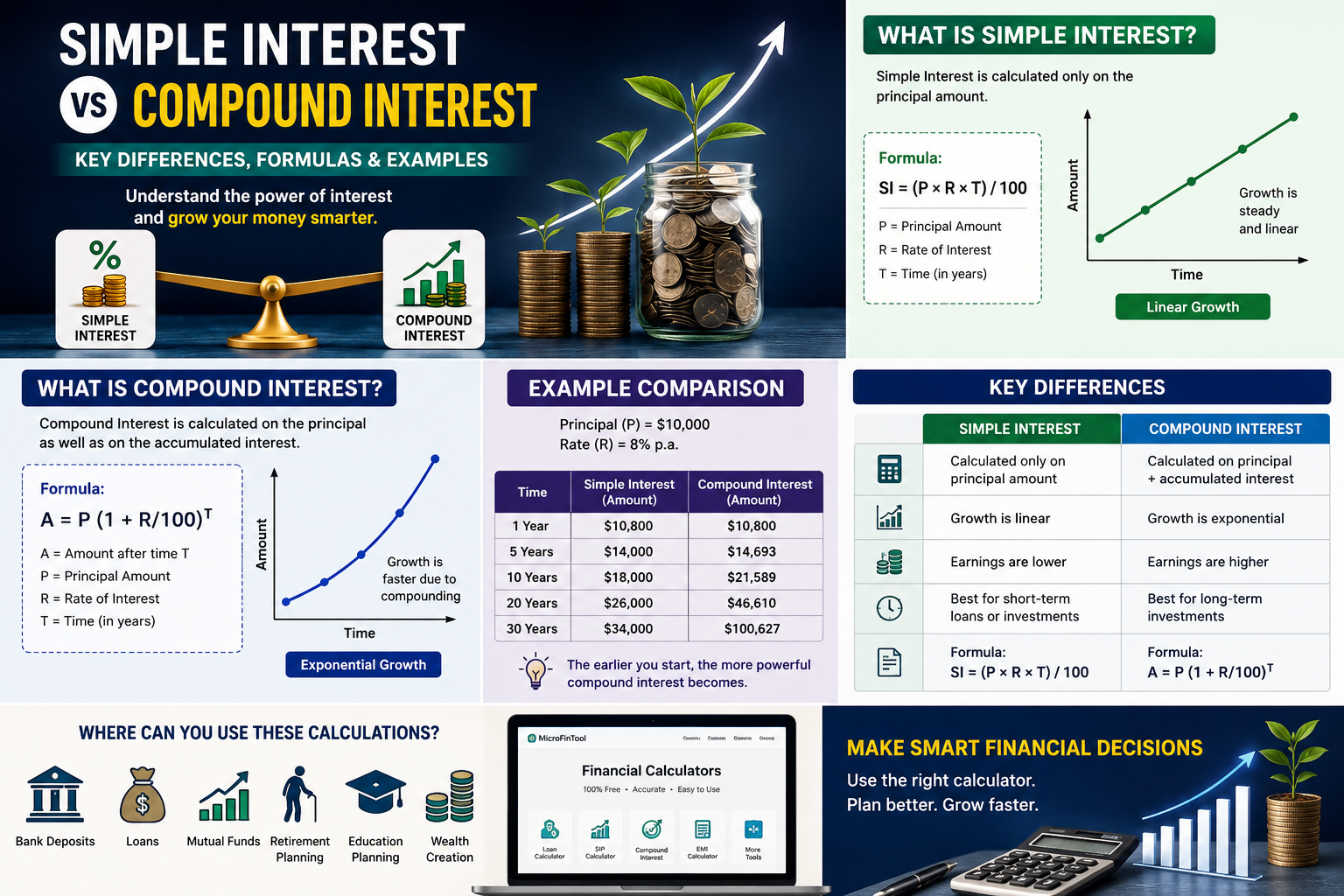
On a $20,000 balance the gap exceeds $770 a year. Compounding widens it further: $10,000 at 4.25% grows to about $12,332 in five years and $15,208 in ten years, while at 0.38% it barely reaches $10,386 after a decade. Switching accounts is a one-hour job that pays you every year you hold the balance.
How to Choose the Right Account
- Read the requirements. The headline 5.00% at Axos needs a bundled checking account and direct deposits. Pibank’s 4.25% has no requirements at all. Pick the rate you will actually earn.
- Watch balance caps. GO2bank pays 4.50% only on the first $5,000. If your balance is larger, split it across accounts.
- Check fees. Monthly maintenance fees can wipe out the rate advantage on smaller balances. Most online accounts charge $0.
- Confirm insurance. FDIC for banks, NCUA for credit unions. No insurance, no account.
- Consider access. Online accounts may lack branches; make sure transfers to your checking account are fast enough for emergencies.
Frequently Asked Questions
What is the highest savings account rate in the USA right now?
As of October 2026, Axos ONE advertises up to 5.00% APY, though earning the top rate requires a bundled checking account and qualifying direct deposits. Several no-requirement accounts pay 4.20-4.34%.
Are high-yield savings accounts safe?
Yes, as long as they are FDIC-insured (banks) or NCUA-insured (credit unions). Your deposits are protected up to $250,000 per depositor, per institution, per ownership category.
Will savings rates keep rising in 2026?
The Fed raised rates in September 2026 and signaled more hikes are possible, which tends to push savings APYs up. But rates can fall quickly if policy changes, so do not delay switching.
Do I pay tax on savings interest?
Yes. Interest earned in a standard savings account is taxable income in the US. There is no equivalent of the UK’s tax-free ISA wrapper for ordinary savings interest.
Conclusion
The best high-yield savings accounts USA 2026 has to offer pay 10-13 times the national average rate, and the gap is worth hundreds of dollars a year on a typical emergency fund. Pick a 4%+ APY account with requirements you can meet, confirm FDIC or NCUA insurance, and let compounding do the rest. Your future self will thank you.