
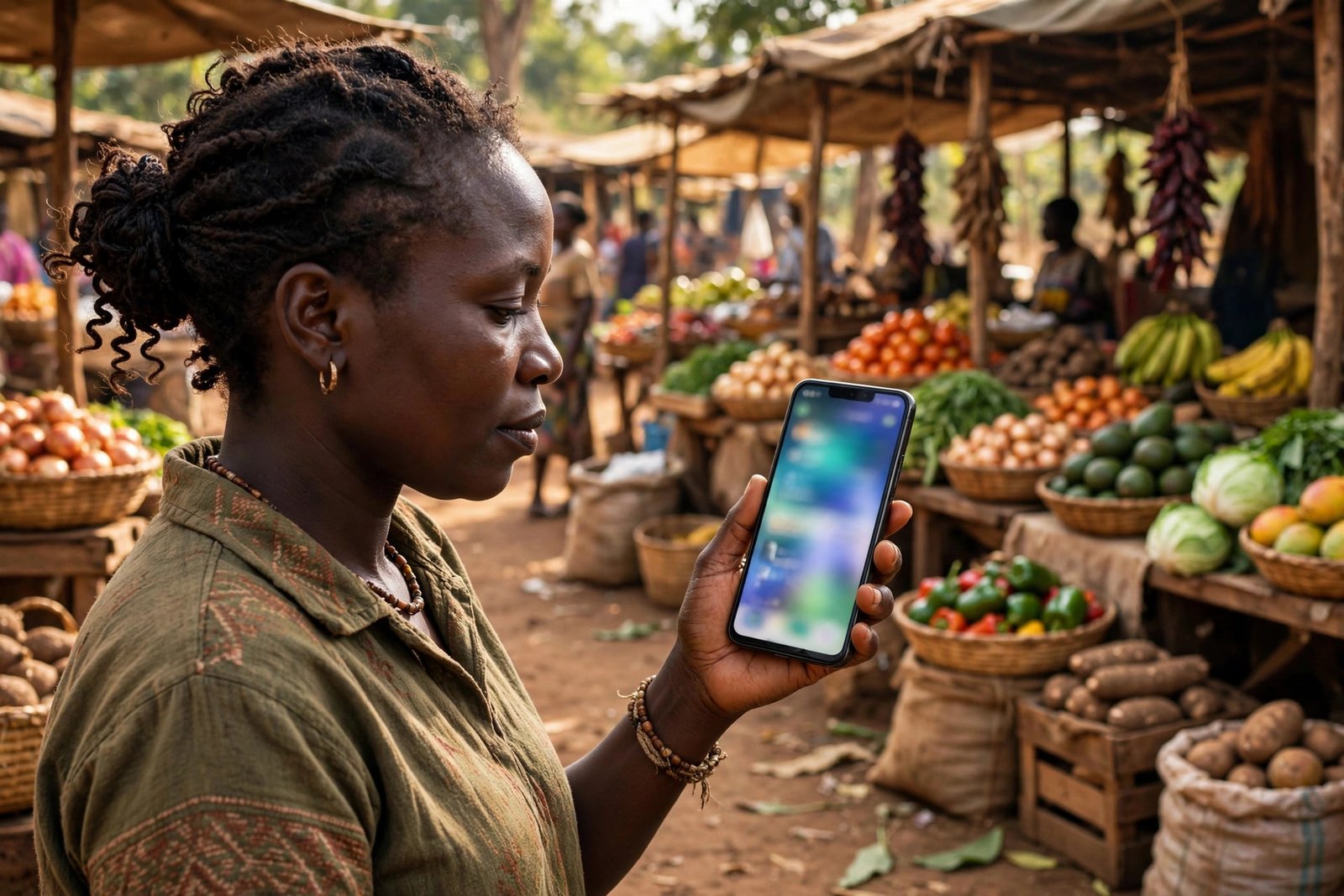






Every Friday, Elena in Manchester taps a few buttons on her phone and £180 leaves her bank account. By Saturday morning in Manila, her mother has the pesos in hand — and the rent gets paid. This is the quiet superpower of remittances developing countries now count on as one of the largest sources of money entering their economies. The World Bank estimated global remittances to low- and middle-income countries reached around $656 billion in 2023 — more than foreign aid and foreign investment combined. But the statistics aren’t the real story. Behind that figure are real people: care workers in London, nurses in Dublin, drivers in Texas and chefs in Paris, all sending slices of their paychecks home. So how does this money change lives — and how can you send it without losing a chunk to fees? Let’s dig in.

How remittances developing countries receive became a global lifeline
Think of remittances as the world’s most direct form of support — except it isn’t aid at all. It’s family money, sent person to person, landing exactly where it’s needed: straight into ordinary households. A mother in Kingston doesn’t wait for a government programme; she waits for her son’s transfer from Birmingham.
What’s remarkable is how stubbornly these flows keep coming. During the financial crisis and the pandemic, remittances held up far better than almost any other cross-border finance. When times get tough, migrant workers cut their own spending so their families can eat. That resilience is one reason remittances developing countries rely on kept flowing even through the pandemic. In countries like Tajikistan, Tonga and Lebanon, money sent home makes up over a quarter of GDP in some cases — and World Bank research repeatedly links higher remittances to lower poverty.
What the money actually pays for
Forget the idea that it goes on luxuries. Study after study shows remittances fund the basics — then build a better future:
- Education: School fees, uniforms, books and exams. A daughter in Lagos whose father drives a taxi in Houston stays in school because of that monthly transfer.
- Healthcare: Doctor visits, medicine and emergencies. When a grandfather in Dhaka needs surgery, it’s often a daughter working in the NHS who quietly covers the bill.
- Housing: Rent, repairs and the classic dream — building the family home brick by brick, funded year by year from wages earned abroad.
- Small business seed money: A lump sum can open a market stall in Accra, buy a sewing machine in Dhaka or stock a corner shop in Kingston — turning a receiver into a business owner.
Notice the pattern? It’s the stuff of dignity and progress — which is why even £150 a month can matter far more than its size suggests.
The true cost of sending: fees to watch
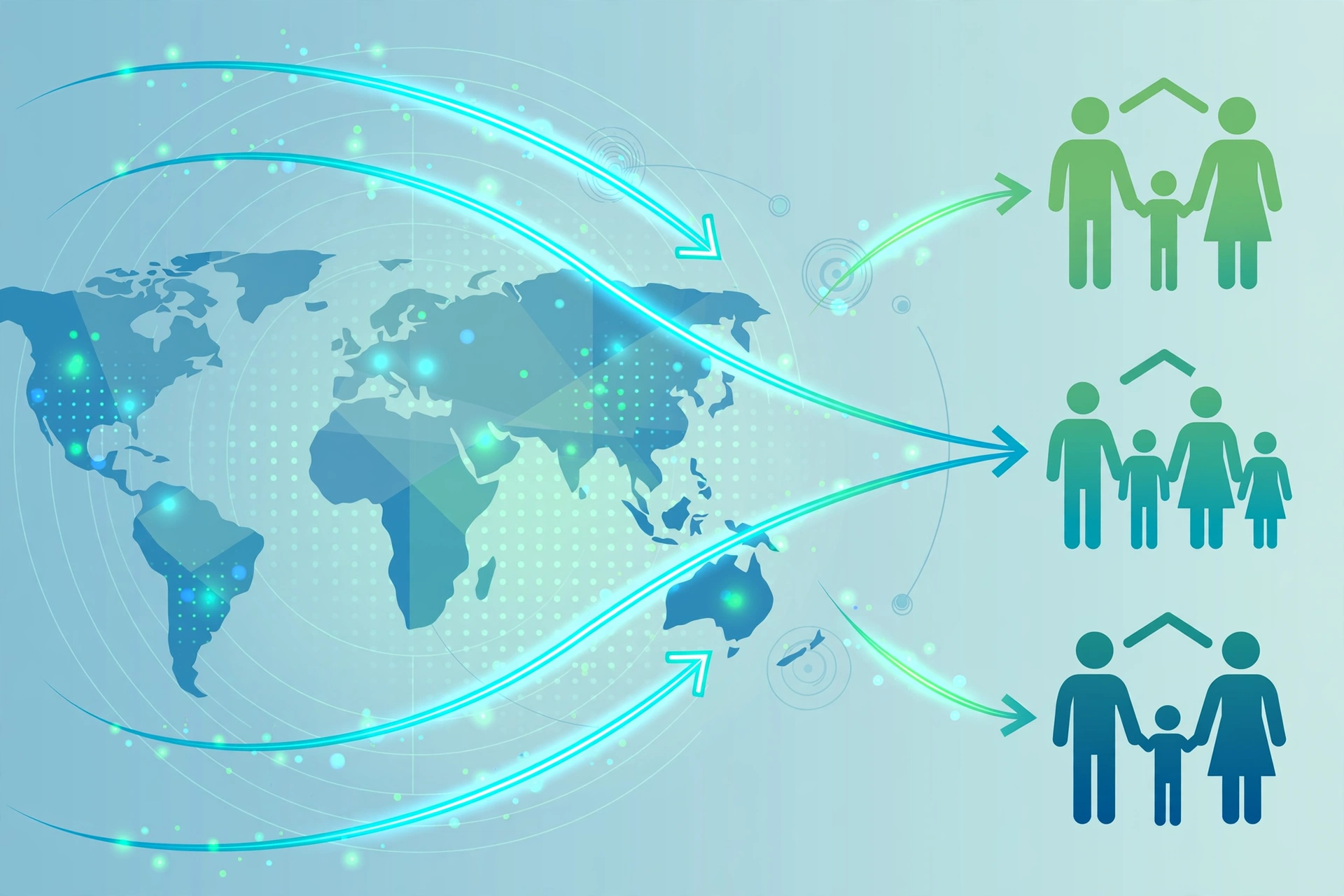
Here’s the uncomfortable part. The World Bank’s data shows the global average cost of sending $200 still hovers around 6% — roughly double the UN’s 3% target. On a £200 transfer, that’s £12 lost to fees and exchange-rate markups. Over a year of monthly transfers, that’s £144 gone — nearly a whole month’s payment.
The worst offenders are the old-school options. Traditional bank wires often push total costs above 10% with flat fees plus poor rates. High-street agents can be just as bad, advertising “zero fees” while hiding profit in a terrible exchange rate. That hidden FX markup is the sneakiest cost of all — the rate you’re offered can be 3–5% worse than the real mid-market rate, and you’d never know unless you check. And small, frequent transfers get hit hardest: a flat £4.99 fee is trivial on £1,000 but brutal on £50.
The cheapest, safest ways to send money in 2026
The good news? Competition has transformed this market. Here’s how the main options stack up for senders in the UK, USA and Europe:
- Wise: The real mid-market rate with a transparent upfront fee. The calculator shows exactly what your recipient gets before you commit.
- Remitly: Built for remittances, with express (minutes) and economy (days, cheaper) options across Africa, Asia and Latin America.
- WorldRemit: Flexible payouts including mobile money wallets — huge in countries where many lack bank accounts. A transfer to M-Pesa in Kenya can arrive in minutes.
- Western Union’s app: Far cheaper than its high-street counters. Worth comparing when others don’t cover your route.
Three golden rules. First, compare the amount your recipient receives, not just the fee — that’s where markups hide. Second, avoid credit cards; cash-advance fees are punishing. Bank transfer or debit card is almost always cheaper. Third, stick to regulated providers — FCA-licensed in the UK or the relevant regulator where you live — and never use informal channels you can’t trace. Remember: every pound you save on fees is another pound of remittances developing countries’ families get to keep.
Frequently Asked Questions
How much does it cost to send money abroad in 2026?
The global average is still around 6%, per World Bank data — but smart senders pay far less. Digital services typically cost 1–3% all-in on popular routes, while bank wires can exceed 10%. Always compare the final amount your recipient receives.
What’s the cheapest way to send £200 or $200 home?
For most routes, a digital service beats banks and high-street agents. Wise is usually cheapest for bank deposits; Remitly’s economy option and WorldRemit are strong for cash pickup and mobile money. Run your amount through two or three calculators first.
Is it safe to send money through apps like Wise or Remitly?
Yes, if you use the official apps and the firm is regulated where you live — Wise is FCA-regulated in the UK, Remitly licensed across US states. Enable two-factor authentication and double-check recipient details before confirming.
How fast do remittances arrive?
Mobile money and some bank transfers arrive within minutes; economy transfers take 1–3 business days. Cash pickup is usually available within hours. Express costs more — weigh it against the fee.
Conclusion
Remittances are one of the most powerful forces in the global economy — not just because of their size, but because of where the money lands. Every transfer is a school fee paid, a prescription filled, a roof repaired or a business born. If you’re sending money home from the UK, USA or Europe, you’re already doing something remarkable. Just make sure as much of it as possible reaches the people you love: compare providers, watch the exchange rate and ditch the expensive old channels. Keep sending.