






How to teach kids about money UK parents often ask — and the experts’ answer is refreshingly simple: start at age 3 or 4 with real coins and real choices, and match the lesson to the age. Little ones learn through play and jars, primary-age kids through pocket money and saving goals, and teenagers through … Read More “How to Teach Kids About Money in the UK: Age-by-Age Guide (2026)” »

Category: finance
Pension auto enrolment UK explained simply: if you’re aged 22 to State Pension age and earn over £10,000 a year from one job, your employer must put you into a workplace pension and pay into it too. The legal minimum total contribution is 8% of your qualifying earnings — at least 3% from your employer … Read More “Pension Auto-Enrolment in the UK Explained (2026)” »
Debt management plan UK explained in one line: a DMP is an informal deal where you make one affordable monthly payment to a provider, who splits it between your creditors. You repay everything you owe — but at a pace you can actually manage — and free charities like StepChange and PayPlan will set the … Read More “Debt Management Plan (DMP) in the UK Explained (2026)” »
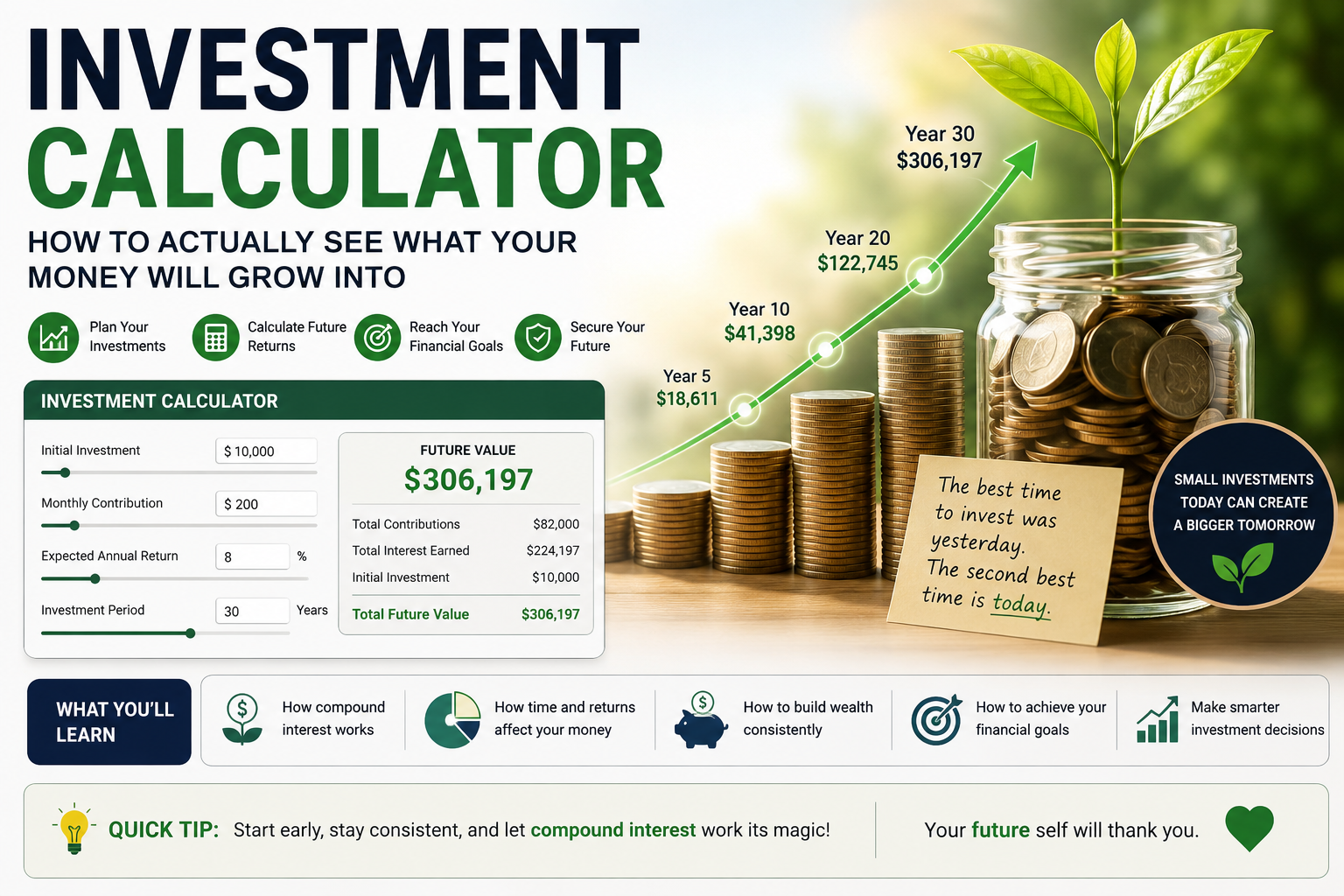
How to start investing with little money UK beginners ask all the time — and the answer is simpler than the finance industry wants you to think: open a Stocks & Shares ISA and you can begin with as little as £1 on platforms like Trading 212. You don’t need thousands saved up; regular small … Read More “How to Start Investing With Little Money in the UK (2026)” »
Student budgeting tips UK students actually swear by start with one rule: treat your maintenance loan as three separate pots, not one windfall. In 2026, English students living away from home can borrow up to £13,022 a year, paid in three termly chunks — so the real skill is stretching each chunk to the end … Read More “Student Budgeting in the UK: Make Your Maintenance Loan Last (2026)” »
The most effective cost of living budgeting tips UK households can follow boil down to one idea: build a budget around your real numbers, then hunt down the six overpriced bills that could hand you £1,486 a year back. The average UK household now spends around £3,106 a month — and on that scale, even … Read More “Cost of Living Budgeting Tips for the UK (2026)” »
A soft credit check is a quiet background look at your file no other lender sees and never dents your score. A hard credit check is the application search, visible for 12–24 months, that can nudge your score down. In the soft vs hard credit check UK system, which one happens depends on whether you’re … Read More “Soft vs Hard Credit Checks in the UK: What’s the Difference?” »
Saving for a house deposit UK buyers need in 2026 means setting aside roughly £24,500 for the average first home of about £245,000 — a 10% deposit. With easy-access cash ISAs paying around 5% and the Lifetime ISA adding a 25% government bonus, a structured plan can shave years off your timeline. Does that headline … Read More “How to Save for a House Deposit in the UK (2026)” »
Credit unions UK explained in one line: they are not-for-profit savings and loans co-operatives owned by their members, offering ethical savings and fair-rate loans backed by the same £120,000-per-person FSCS protection as the high street banks. They’re community-run alternatives to banks — and in 2026, they’re bigger than most people realise. Why haven’t you heard … Read More “Credit Unions in the UK Explained (2026 Guide)” »
The secret of how to budget irregular income UK freelancers actually stick to is this: build your budget around your worst typical month, and split every payment by percentages the moment it lands. If your lean months still cover the essentials, everything else becomes surplus to save or spend guilt-free. Sound too simple? It is … Read More “How to Budget on Irregular Income: UK Freelancer Guide (2026)” »