




How to teach kids about money UK parents often ask — and the experts’ answer is refreshingly simple: start at age 3 or 4 with real coins and real choices, and match the lesson to the age. Little ones learn through play and jars, primary-age kids through pocket money and saving goals, and teenagers through real budgets and their own accounts.
Why so early? Money habits form young — children’s attitudes to spending and saving take shape well before secondary school. The good news: you don’t need to be a finance expert. You just need everyday moments and a bit of imagination.

Ages 3–5: Play, Coins and Three Jars
At this age, money is a fascinating object — shiny, countable, swappable. Lean into that.
- Coin play: lay out 1p, 2p, 5p, 10p, 20p, 50p and £1 coins and let them sort, stack and compare. Pile 1ps next to a 10p so they see what “ten” means.
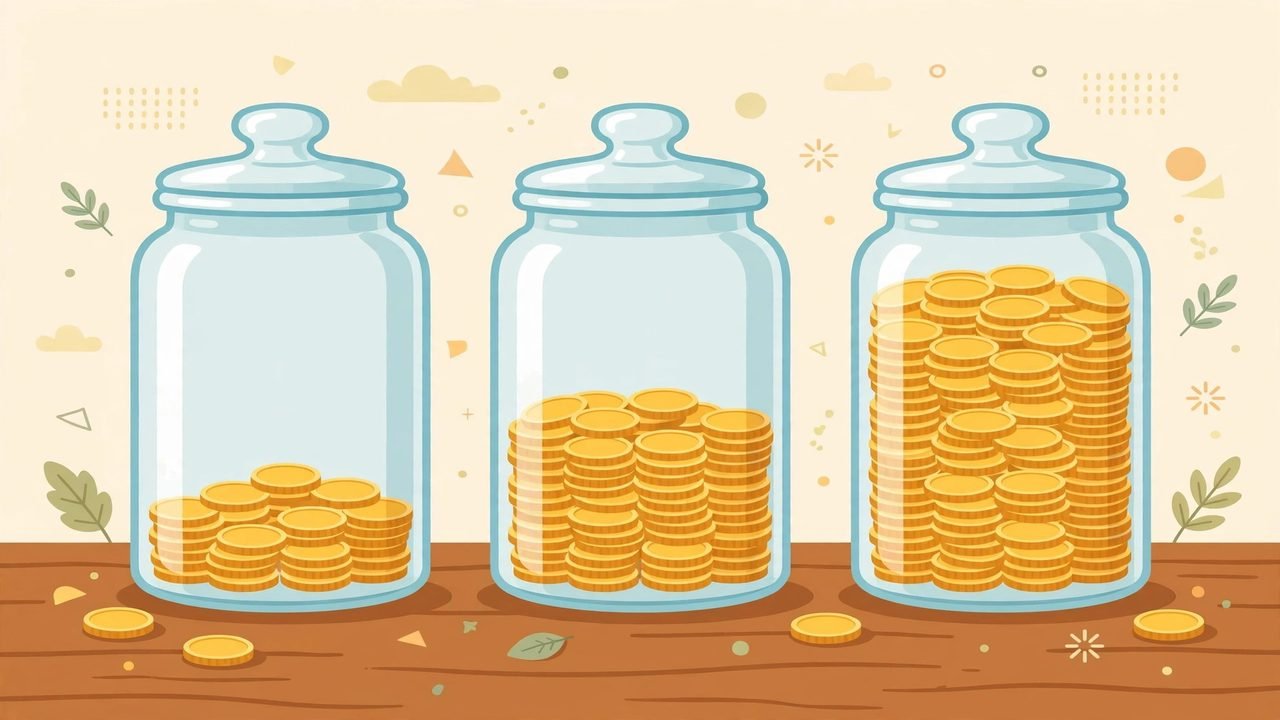
- The three jars: label jars spend, save and share. When they get birthday money, help them split it. This one ritual teaches budgeting, delayed gratification and generosity simultaneously.
- Shop role-play: set up a pretend shop with price labels. They learn that money is exchanged for things — and that when it’s gone, it’s gone.
- Narrate your spending: at the supermarket, say the quiet part out loud: “We could buy this now, or wait until it’s on offer.” They’re absorbing everything.
How to Teach Kids About Money UK Parents Ask at Ages 6–9: Pocket Money With Purpose
This is the golden window: old enough to count and choose, young enough to still listen. Pocket money is your most powerful tool — but structure it.
- Link some of it to effort. A small base amount plus extras for chores (tidying, helping with siblings, garden jobs) connects work to income without turning family life into piecework.
- Set a saving goal. A toy, a day out, a game — something concrete. A visual tracker on the fridge where they colour in progress makes saving tangible.
- Be their bank — with interest. Offer “Mum and Dad interest”: 10% a month on whatever stays saved. Nothing teaches compound growth faster.
- Introduce the Junior ISA. For longer-term savings, a Junior ISA lets family contribute up to £9,000 a year tax-free until the child turns 18 (cash or stocks-and-shares versions available). Grandparents love contributing to these.
Ages 10–13: Real Decisions, Real Consequences
Pre-teens can handle genuine responsibility — and genuine mistakes, while the stakes are pocket-money-sized.
- Hand them a real budget. Give them £30 to plan a family meal: menu, shopping list, price-per-kilo comparisons at the shop. They’ll never look at a receipt the same way.
- Board games as lessons. Monopoly teaches rent, mortgages and bankruptcy; The Game of Life covers salaries and choices. The junior versions work from age 8.
- Talk about “pester power”. Pull out things they begged for and barely used, and ask what made them want each one. The want-versus-need distinction clicks fast when the evidence is in their own toy box.
- Charge for snacks. A price list on the fridge with a daily budget teaches arithmetic, budgeting and the brutal truth that money can only be spent once.
Ages 13–16: Accounts, Earning and Staying Safe
Teenagers live half their financial lives online — gaming credits, in-app purchases, subscriptions. Meet them there.
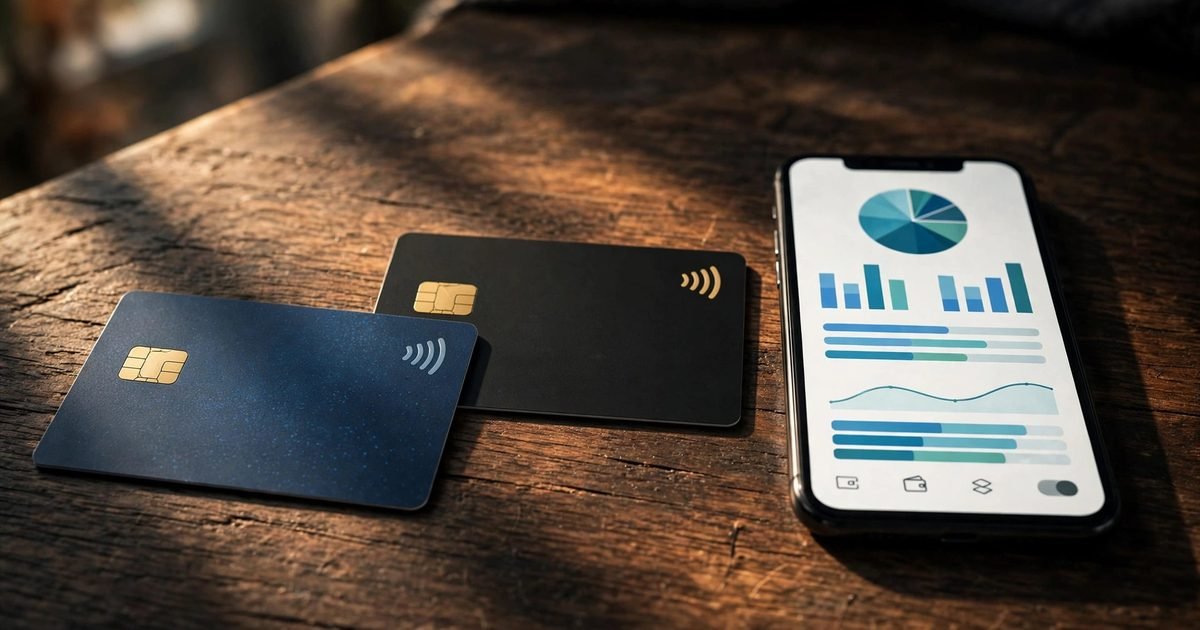
- Their own account. Apps like Rooster Money, GoHenry or Starling’s teen accounts give them a card with parental controls and spending notifications. Real money, real statements, safe guardrails.
- A full monthly budget. List everything coming in (pocket money, job, birthday cash) and going out (subscriptions, treats, travel). This is the exact skill they’ll need at university.
- Earning. Babysitting, dog-walking, tutoring younger kids, holiday jobs — earned money is spent more carefully than given money. Every study on this agrees.
- Scams and safety. Teens are prime targets for fake giveaways, “money mule” offers and phishing. Teach them: no legitimate company asks for passwords, and anyone offering easy money for use of your bank account is committing a crime with your name on it.
The Biggest Lesson: You
Here’s the uncomfortable bit: children copy what you do with money far more than what you say about it. Let them see you comparing prices, waiting for sales, and saying “that’s not in the budget this month” without drama. Talk about money openly and it becomes just another life skill.
FAQs
What age should I start teaching my child about money?
Start teaching your child about money at age 3 or 4, when they can grasp counting and simple choices. Begin with real coins, sorting games and the three jars (spend, save, share). Research shows money habits and attitudes form surprisingly early, so playful lessons before primary school build the foundation for everything that follows.
How to teach kids about money UK: should I pay pocket money for chores?
When deciding how to teach kids about money UK experts suggest a hybrid: a small base pocket money plus extras for chores beyond normal family contributions. This links effort to reward without making every household task transactional. The key is consistency — irregular pocket money teaches nothing, while a predictable weekly amount builds real budgeting practice.
What is a Junior ISA and is it worth opening?
A Junior ISA is a tax-free savings account for under-18s in the UK, with family able to contribute up to £9,000 a year across cash and stocks-and-shares versions. The child can’t access the money until 18. It’s worth opening for long-term goals like university costs, and grandparents often enjoy contributing birthday money to it.
How do I teach my teenager about budgeting?
Teach your teenager budgeting by giving them real responsibility: a teen bank account with a card, a written monthly budget of all income and outgoings, and one category that’s entirely theirs to manage (like clothes or social spending). Let them make small mistakes now — running out of clothes money in March is a cheap lesson versus running out of rent money at 19.
How can I protect my child from online money scams?
Protect your child from online money scams by teaching three rules: never share passwords or bank details, never accept “easy money” offers to receive transfers (money muling is a crime), and always check with you before buying in games or apps. Set up purchase approvals on their devices and review privacy settings on their social accounts together.
You won’t get it perfect — nobody does. But a child who has split birthday money into three jars, saved for something they wanted, and survived a blown budget at 15 walks into adulthood with instincts most adults are still trying to learn. Start this weekend, with coins on the kitchen table.
Start teaching your child about money at age 3 or 4, when they can grasp counting and simple choices. Begin with real coins, sorting games and the three jars (spend, save, share). Research shows money habits and attitudes form surprisingly early, so playful lessons before primary school build the foundation for everything that follows.
When deciding how to teach kids about money UK experts suggest a hybrid: a small base pocket money plus extras for chores beyond normal family contributions. This links effort to reward without making every household task transactional. The key is consistency — irregular pocket money teaches nothing, while a predictable weekly amount builds real budgeting practice.
A Junior ISA is a tax-free savings account for under-18s in the UK, with family able to contribute up to £9,000 a year across cash and stocks-and-shares versions. The child can’t access the money until 18. It’s worth opening for long-term goals like university costs, and grandparents often enjoy contributing birthday money to it.
Teach your teenager budgeting by giving them real responsibility: a teen bank account with a card, a written monthly budget of all income and outgoings, and one category that’s entirely theirs to manage (like clothes or social spending). Let them make small mistakes now — running out of clothes money in March is a cheap lesson versus running out of rent money at 19.
Protect your child from online money scams by teaching three rules: never share passwords or bank details, never accept “easy money” offers to receive transfers (money muling is a crime), and always check with you before buying in games or apps. Set up purchase approvals on their devices and review privacy settings on their social accounts together.