



The ISA allowance for 2026/27 is £20,000, unchanged from last year. But this tax year carries a deadline that makes it unusually important: from 6 April 2027, the amount you can put into a Cash ISA each year will be cut to £12,000 for savers under 65. This guide explains the ISA allowance 2026 UK rules, how to split it across ISA types, and why acting before 5 April 2027 could protect thousands of pounds of tax-free savings capacity.
What Is the ISA Allowance for 2026/27?
An Individual Savings Account (ISA) lets you save or invest without paying UK tax on interest, dividends or capital gains inside the wrapper. The ISA allowance is the maximum you can pay in during one tax year, which runs from 6 April to 5 April. For 2026/27 the allowance is £20,000, and you can split it across different ISA types as long as the total stays at or below £20,000. For example, you could put £15,000 in a Cash ISA and £5,000 in a Stocks and Shares ISA.
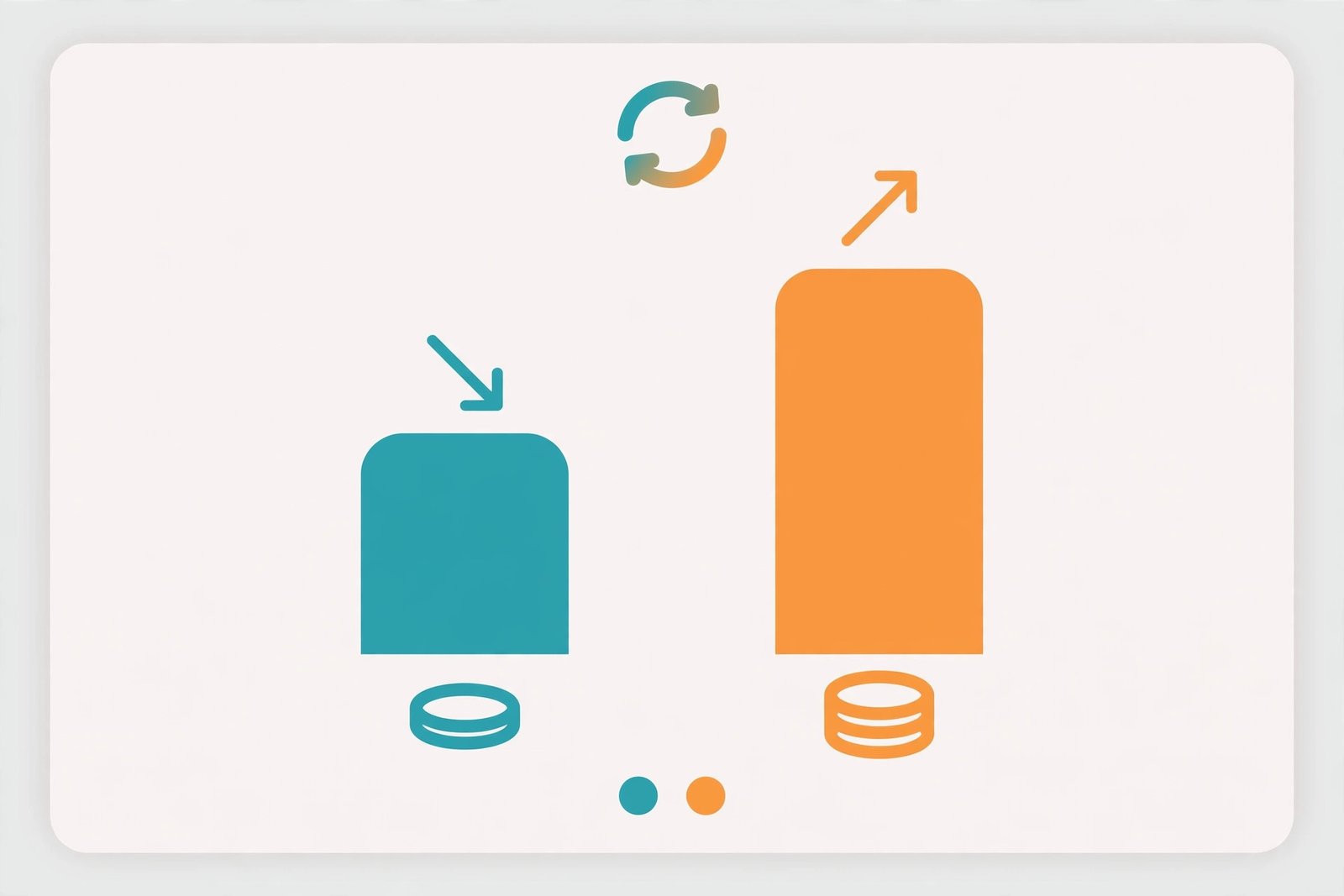
The Big Change: Cash ISA Limit Cut from April 2027
Announced at the Autumn Budget, the government confirmed that from 6 April 2027:
- The annual subscription limit for a Cash ISA will be £12,000 for those under 65.
- Savers aged 65 and over keep the full £20,000 Cash ISA allowance.
- The overall ISA allowance stays at £20,000, so the remaining £8,000 must go into non-cash ISAs (such as Stocks and Shares) to stay tax-free.
This makes 2026/27 the last tax year when under-65s can shelter the full £20,000 in cash. Anything already inside a Cash ISA stays protected; the new limit applies only to new contributions from April 2027 onwards.
How to Split Your £20,000 Across ISA Types
You can open and pay into more than one of the same type of ISA in the same tax year. The main types and their 2026/27 limits are:
- Cash ISA: up to £20,000 in 2026/27 (£12,000 from April 2027 if under 65). Best easy-access rates were around 4.5-4.76% AER in mid-2026.
- Stocks and Shares ISA: part of the £20,000; no separate cash-style cap. Any growth and income inside is tax-free.
- Lifetime ISA (LISA): up to £4,000 per year, counted within the £20,000. The government adds a 25% bonus (up to £1,000 a year) for first-home purchases or retirement. You must have held it 12 months before using it to buy a home.
- Junior ISA: separate £9,000 annual allowance per child, on top of your own £20,000.
Use It or Lose It: The 5 April Deadline
ISA allowances cannot be carried forward. If you do not use your £20,000 by 5 April 2027, it is gone forever. Practical steps before the deadline:
- Fill your Cash ISA now if you want to lock in the full £20,000 cash allowance before the £12,000 cap arrives.
- Bed and ISA: move investments held outside an ISA into your ISA wrapper before the deadline to shelter future gains.
- Use both partners’ allowances: a couple can shelter £40,000 a year combined.
- Top up the Junior ISA: the £9,000 child allowance is also use-it-or-lose-it.
- Do not exceed £20,000 total: your ISA provider reports contributions to HMRC; overpaying can trigger a tax correction.
Cash ISA vs Stocks and Shares ISA in 2026
With the cash cap falling, many savers are weighing where to put money. Cash ISAs pay predictable interest (best buys near 4.75% AER in 2026) with zero risk to capital. Stocks and Shares ISAs have no interest rate; returns depend on markets, and you can get back less than you invest. Over long periods shares have historically beaten cash, but for money you need within five years, cash remains the safer home. A common approach: fill the Cash ISA for your emergency fund and short-term goals, and use a Stocks and Shares ISA for money you will not touch for five-plus years.
Frequently Asked Questions
What is the ISA allowance for 2026/27?
£20,000 per person, which you can split across Cash, Stocks and Shares, Lifetime and Innovative Finance ISAs. Junior ISAs have a separate £9,000 allowance per child.
Will the Cash ISA limit really drop to £12,000?
Yes, from 6 April 2027, for savers under 65. Over-65s keep the £20,000 Cash ISA limit. The overall ISA allowance stays at £20,000 for everyone.
Can I carry unused ISA allowance into next year?
No. Unused allowance is lost when the tax year ends on 5 April. This is why the 2026/27 deadline is so important.
Does the Lifetime ISA 25% bonus still exist?
Yes. You can save up to £4,000 a year in a LISA and the government adds 25% (up to £1,000). The bonus is for first-home purchases or retirement, with penalties for other withdrawals.
Conclusion
The ISA allowance 2026 UK rules give you one final year to shelter £20,000 in cash before the £12,000 cap bites. Use the allowance before 5 April 2027, split wisely between cash certainty and investment growth, and remember that a couple can protect £40,000 a year between them. Tax-free allowances this generous rarely last; make this year’s count.