





Introduction
Microfinance banking has emerged as a powerful tool for economic development and poverty alleviation across the globe. By providing financial services to individuals and small businesses that lack access to traditional banking, microfinance institutions (MFIs) play a crucial role in fostering entrepreneurship and improving living standards. In this blog, we will delve into the concept of microfinance banking, its significance, the various services it offers, and its impact on communities.
What is Microfinance Banking?
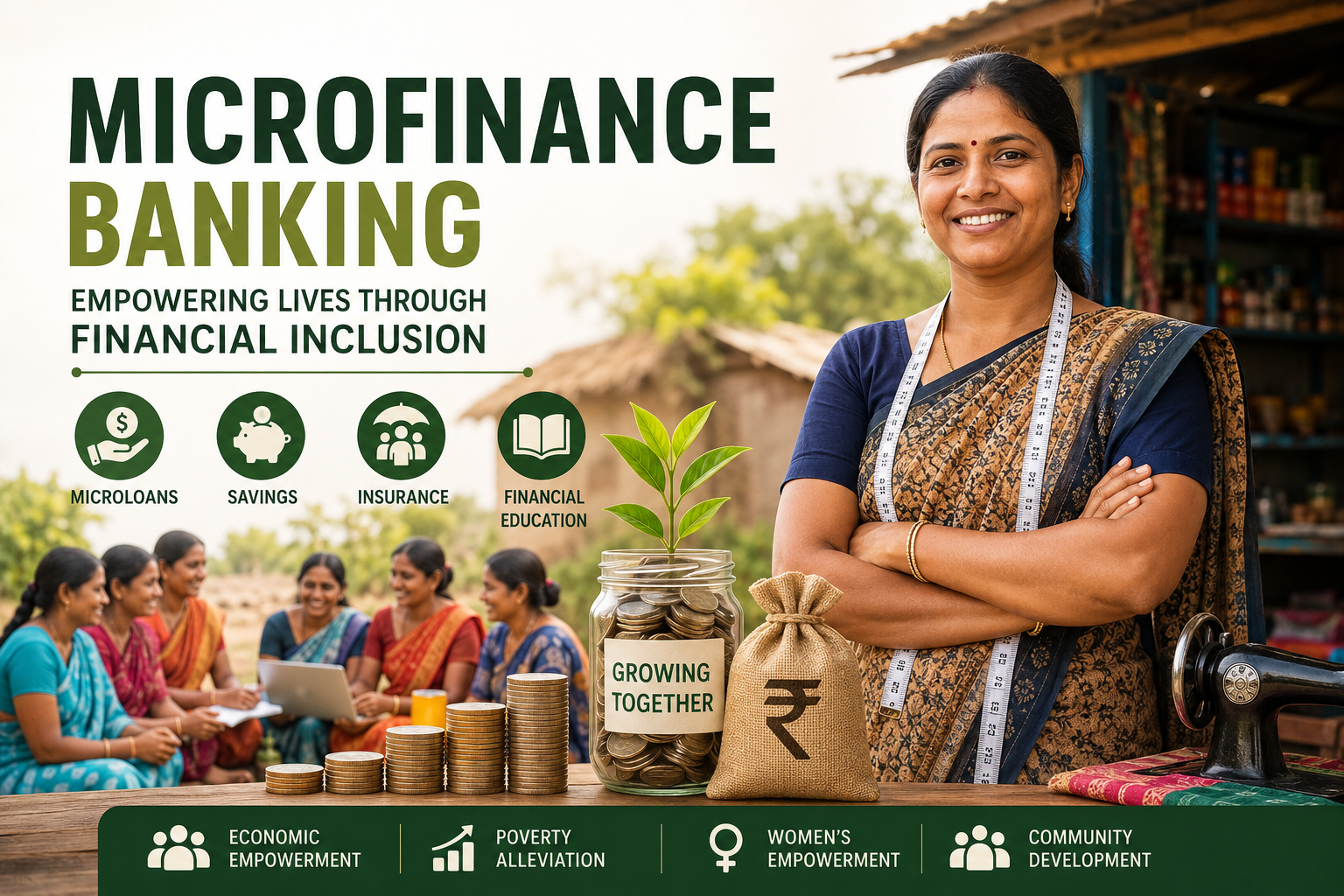
Microfinance banking refers to the provision of financial services such as microloans, savings accounts, and insurance to low-income individuals or groups. Unlike traditional banks, which often require collateral and extensive documentation, microfinance institutions focus on providing small amounts of credit without stringent requirements. This approach enables marginalized populations, including women and rural communities, to access financial resources that can help them start or expand small businesses.
Key Features of Microfinance Banking
- Small Loan Amounts: Microfinance loans typically range from a few hundred to a few thousand dollars, making them accessible to those who may not qualify for larger loans.
- Flexible Repayment Terms: MFIs often offer flexible repayment schedules tailored to the borrower’s cash flow, ensuring that repayments are manageable.
- Group Lending: Many microfinance programs utilize group lending models, where members of a community come together to guarantee each other’s loans. This fosters a sense of responsibility and community support.
- Financial Education: MFIs frequently provide training and resources to help borrowers manage their finances effectively, enhancing their chances of success.
The Importance of Microfinance Banking
Microfinance banking plays a pivotal role in promoting financial inclusion and empowering underserved populations. Here are some key reasons why microfinance is essential:
1. Economic Empowerment
Microfinance enables individuals to start or grow small businesses, creating jobs and stimulating local economies. By providing access to capital, microfinance banking helps entrepreneurs invest in their ventures, ultimately leading to increased income and improved living standards.
2. Poverty Alleviation
Access to microfinance services can significantly reduce poverty levels. By offering financial resources, MFIs help individuals and families move out of poverty by generating income and building assets.
3. Women’s Empowerment
Microfinance has a profound impact on women’s empowerment. Studies show that when women have access to financial services, they are more likely to invest in their families’ health, education, and well-being. Microfinance banking initiatives often specifically target women, recognizing their potential as key drivers of economic growth.
4. Community Development
Microfinance banking fosters community development by encouraging collaboration and social cohesion. Group lending models create networks of support among borrowers, leading to stronger community ties and shared success.
Services Offered by Microfinance Institutions
Microfinance banking encompasses a range of services aimed at meeting the diverse financial needs of low-income individuals and small businesses. Some of the primary services include:
1. Microloans
Microloans are the cornerstone of microfinance banking. These small loans enable borrowers to start or expand their businesses. MFIs assess borrowers based on their character, business plans, and community reputation rather than traditional credit scores.
2. Savings Accounts
Many MFIs offer savings accounts to help clients build financial security. By encouraging savings, microfinance banking promotes a culture of financial discipline and helps individuals prepare for emergencies.
3. Insurance Products
Microfinance institutions often provide insurance products tailored to low-income individuals. These may include health insurance, life insurance, and crop insurance, helping clients mitigate risks associated with unforeseen events.
4. Financial Education and Training
MFIs frequently conduct workshops and training sessions to educate borrowers about financial management, budgeting, and business skills. This knowledge equips clients to make informed financial decisions and enhances their chances of success.
Challenges Facing Microfinance Banking
Despite its successes, microfinance banking faces several challenges:
1. Over-Indebtedness
In some cases, borrowers may take out multiple loans from different MFIs, leading to over-indebtedness. This can strain their financial capacity and result in defaults.
2. Regulatory Hurdles
Microfinance institutions often operate in a complex regulatory environment. Navigating these regulations can be challenging, especially for new MFIs seeking to establish themselves.
3. Financial Sustainability
Maintaining financial sustainability while serving low-income clients can be difficult. MFIs must balance social objectives with the need to remain financially viable.
4. Limited Outreach
In many regions, particularly rural areas, access to microfinance services remains limited. Expanding outreach to underserved populations is essential for maximizing the impact of microfinance banking.
The Future of Microfinance Banking
The future of microfinance banking looks promising, with ongoing innovations and developments. Technology plays a significant role in enhancing access to financial services. Digital platforms and mobile banking solutions are making it easier for individuals to access microloans and other financial products.
1. Fintech Integration
The integration of financial technology (fintech) into microfinance banking is revolutionizing the industry. Mobile apps and online platforms allow for quicker loan applications, disbursements, and repayments, reaching more clients than ever before.
2. Sustainable Practices
As the focus on sustainability grows, microfinance institutions are increasingly adopting environmentally friendly practices. This includes supporting green businesses and promoting sustainable agriculture.
3. Collaboration with Traditional Banks
Collaboration between microfinance institutions and traditional banks can enhance the reach and impact of microfinance services. By leveraging the strengths of both sectors, more individuals can benefit from financial inclusion.
Attenuation
This is a vital component of the global effort to promote financial inclusion, empower individuals, and alleviate poverty. By providing access to financial services, microfinance institutions are transforming lives and communities. As the industry continues to evolve, embracing technology and sustainable practices will be crucial for maximizing its impact. we can create a more equitable and prosperous world for all.
microfinance license requirements, microfinance compliance, small loan, tiny loan, mini loan, quick loan, instant loan, fast loan, easy loan, no collateral loan, unsecured microloan, secured microloan, short term microloan, long term microloan, microloan interest rate, microloan repayment, microloan tenure, microloan application, microloan eligibility
Microfinance banking provides small loans, savings accounts, and financial services to low-income individuals and small businesses who typically lack access to traditional banks. It focuses on financial inclusion.
Microfinance banks serve underserved populations with smaller loan amounts, group lending models, and simpler requirements. They prioritize social impact and financial inclusion over large commercial transactions.
Small entrepreneurs, rural communities, women, and low-income families benefit most. Microfinance banking helps them start businesses, build credit, and achieve financial stability.




4 thoughts on “Microfinance Banking”