




How long does debt stay on credit file records in the UK? In most cases it’s six years from the date of the marker — a default, a CCJ, an IVA or a bankruptcy — after which the record drops off automatically. And no, the “7-year rule” you see quoted everywhere doesn’t apply here: that’s an American standard.

That six-year window is the single most misunderstood number in UK personal finance. Lenders check your file for mortgages, phone contracts, even rental applications — and old markers can quietly cost you the best deals long after you’ve moved on. The good news? Every marker has an expiry date. Here’s when different debts disappear, what speeds things up, and the traps people fall into thinking they’ve been reset when they haven’t.
How long does debt stay on credit file records in the UK?
The answer is six years for almost every serious marker — it mirrors the Limitation Act 1980, which gives creditors six years to start court action on most debts. The UK’s three credit reference agencies — Experian, Equifax and TransUnion — keep records for six years under industry rules. A default stays six years from the date of the default, not from when you took the credit out. Default recorded in January 2023? It vanishes around January 2029.
The per-marker timeline: what disappears when
So how long does debt stay on credit file for each type of marker? Not every mark behaves the same — here’s the practical breakdown:
- Defaults — six years from the date the default was registered.
- County Court Judgments (CCJs) — six years from the judgment date. Big exception: pay in full within one month of the judgment and the CCJ is removed from the register entirely.
- Individual Voluntary Arrangements (IVAs) — six years from the approval date, even though most IVAs run five years.
- Debt Relief Orders (DROs) — six years from the date the order was made.
- Bankruptcy — six years from the date the bankruptcy order was issued, even though you’re usually discharged after one year.
- Hard searches — visible to lenders for about 12 months; minor compared to defaults.
Paid vs satisfied: why paying doesn’t erase the marker
This trips people up constantly. You clear the debt, feel triumphant — and the default is still there. Paying doesn’t delete a marker; it updates its status to “satisfied” (CCJs) or “settled” (defaults) for the remainder of the six years.
Here’s the part most people ask about next: once you’ve paid, how long does debt stay on credit file as a satisfied marker? The full six years from the original date — payment changes the flag, not the clock. After paying, check your file a few weeks later and make sure the lender actually updated the status — updates slip, and you can dispute it if they haven’t.
Statute-barred debt: when it can’t be chased
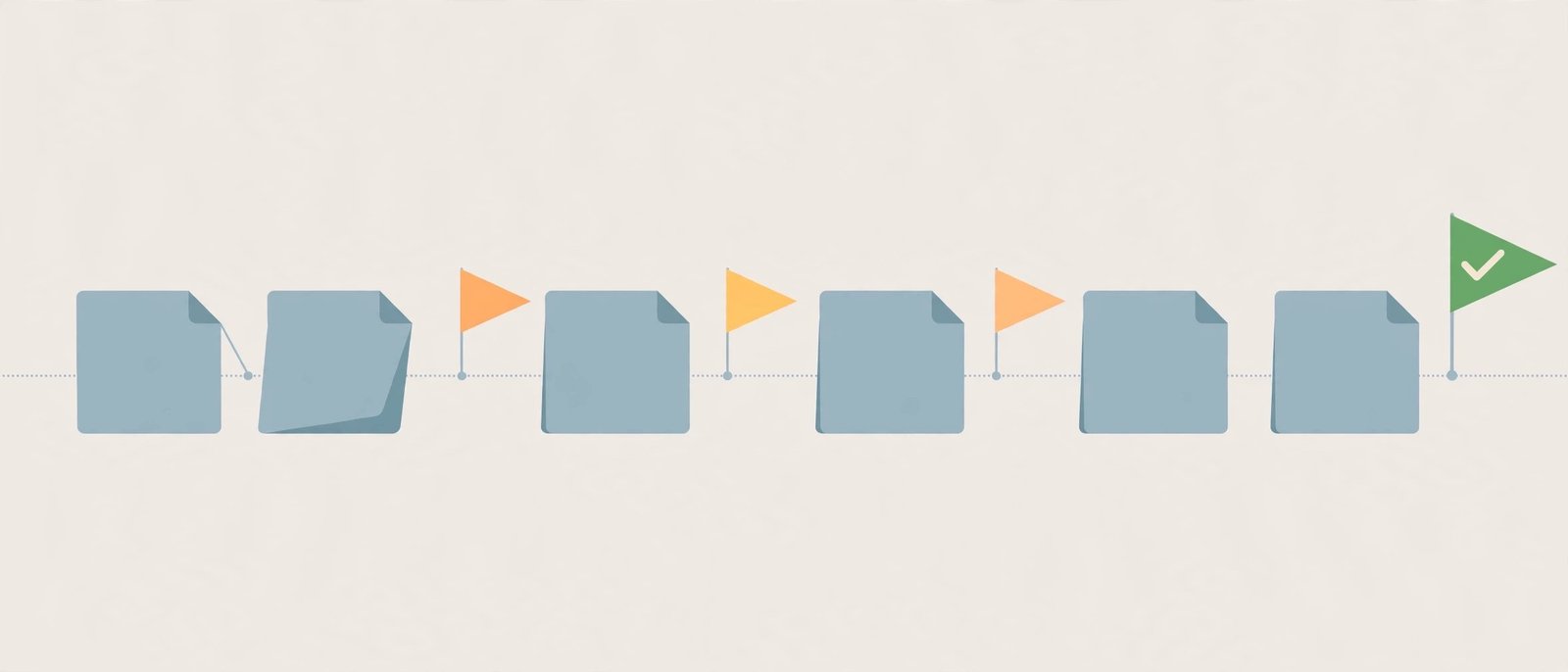
There’s a second clock running alongside the credit-file clock, and people constantly mix them up. Under the Limitation Act 1980, if you haven’t paid or written to the creditor about a debt for six years (and there’s no CCJ against it), it becomes statute-barred — the creditor can no longer take you to court over it.
But statute-barred is not the same as wiped out. The debt still legally exists, and collectors can still write to you about it. And the old default drops off your credit file on its own six-year schedule regardless. Crucially, the no-contact clock resets if you make even a small payment or acknowledge the debt in writing — a £5 “goodwill payment” can restart the whole limitation period. If you think a debt is statute-barred, get free advice from StepChange or National Debtline before touching it.
Exceptions and how to clean up your file faster
The six-year rule covers almost everything, but exceptions exist. Records can stay up to 15 years where fraud or negligence was involved. Magistrates’ court fines typically remain around five years.
You can’t pay to fast-track removal — the clock runs on its own. But you can make sure it runs correctly:
- Check all three agencies. Experian, Equifax and TransUnion files won’t always match — markers can drop off weeks apart.
- Dispute wrong default dates. Lenders sometimes register defaults late; the date should reflect when the relationship broke down, not months later.
- Keep your electoral roll entry current. Lenders use it for identity checks — an outdated address can slow applications even with a clean file.
- Rebuild while you wait. A credit-builder card, used lightly and paid in full monthly, layers positive history over old negatives.
FAQs
How long does debt stay on credit file records if I never pay it?
An unpaid default still drops off your credit file six years after the default date, whether you’ve paid it or not. The marker disappears automatically from all three UK credit reference agencies. However, the creditor may still pursue the debt, and an unsatisfied marker looks far worse to lenders than a satisfied one while it remains.
Can I get a default removed from my credit file early?
You can’t remove an accurate default early — the six-year rule is fixed and agencies won’t delete correct information. You can only dispute inaccurate markers, like wrong default dates, debts that aren’t yours, or satisfied debts showing as outstanding. Agencies must correct or remove factually wrong entries within about 28 days.
Will paying off a CCJ remove it from my credit file?
Paying a CCJ after the first month marks it as “satisfied” but doesn’t remove it — it stays on your file for six years from the judgment date. The only way to erase a CCJ entirely is to pay the full amount within one calendar month of the judgment, which removes it from the register completely.
Does a debt become statute-barred after six years automatically?
A debt becomes statute-barred when six years pass with no payment and no written acknowledgement from you, provided no CCJ exists. The creditor then loses the right to enforce it through the courts. But making any payment or admitting the debt in writing restarts the six-year limitation period, so get advice before acting.
Why does the same debt show different dates on Experian and Equifax?
The three UK credit reference agencies receive lender data at different times, so markers can appear and drop off weeks apart across Experian, Equifax and TransUnion. If dates differ wildly, contact the lender that reported the marker. You have the right to dispute inaccurate dates, and lenders must report them consistently.
The six-year rule is refreshingly simple once you see through the myths: if you came here asking how long does debt stay on credit file in the UK, the answer is the same simple one — six years, then it’s gone. The American seven-year figure doesn’t apply, and paying a debt always beats ignoring it. Check your file across all three agencies today — that old default may be closer to its expiry date than you think.