





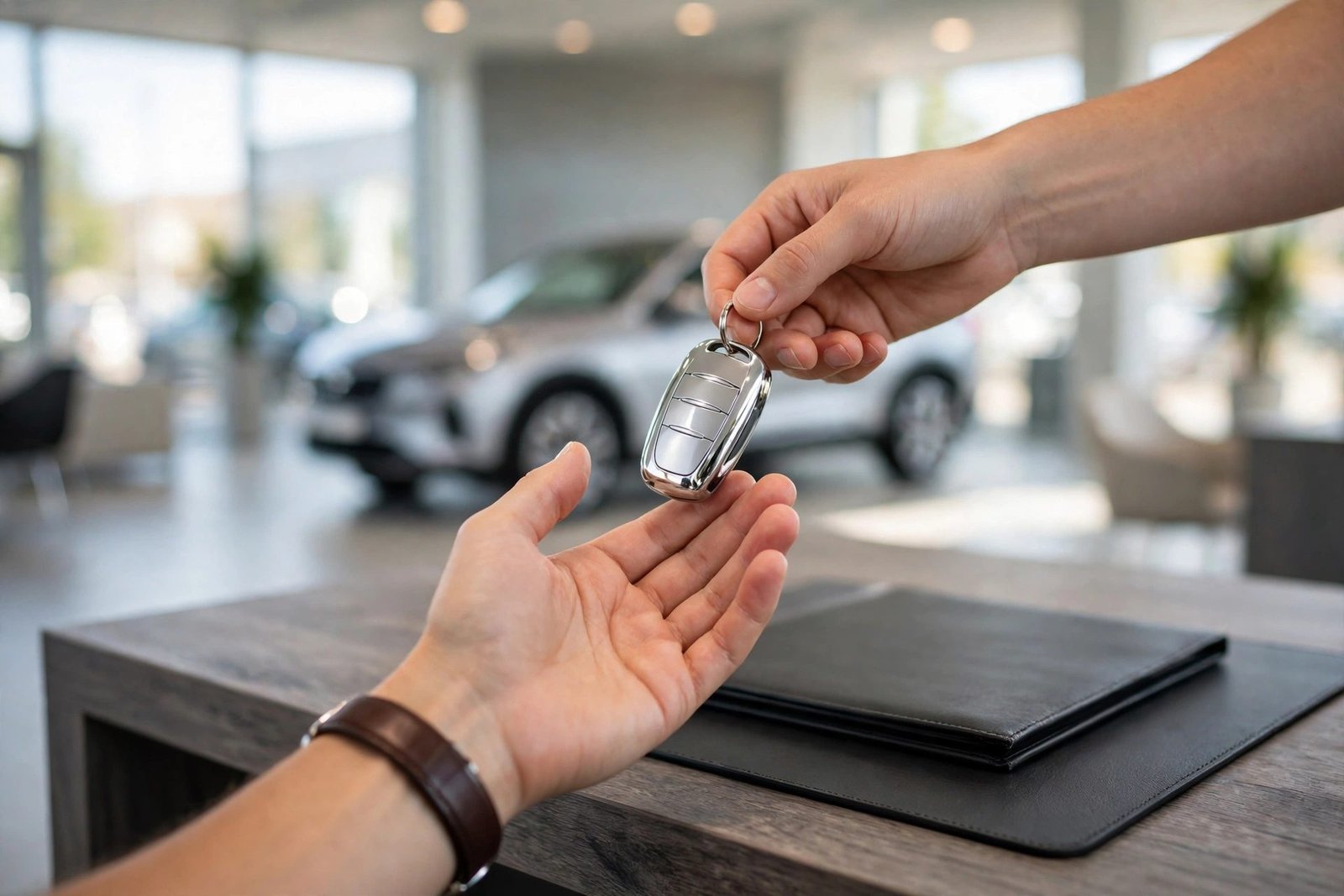
PCP vs HP vs lease UK — on a £25,000 family car, hire purchase costs roughly £30,000 over four years but the car ends up yours, PCP costs around £20,000 over three years if you hand it back, and leasing costs about £13,650 with nothing to show for it. The trap? Judging by monthly payments alone.
How Hire Purchase (HP) Actually Works
HP is the simplest of the three: a deposit, then fixed monthly instalments, and when the final payment clears, the car is yours — no balloon, no hand-back inspection. The APR is usually the highest (around 9.9% in October 2026), so the monthly figure looks steep. But every pound goes towards ownership.
On a £25,000 car with a £2,500 deposit at 9.9% over 48 months: about £572 a month, total roughly £29,960 — and at the end you own a car likely worth £12,000–£14,000.
How PCP Works — And Where the Balloon Payment Hides
PCP is engineered for lower monthly payments: a deposit, then instalments covering only predicted depreciation plus interest — not the full price. At the end you hand the car back, pay the balloon (the Guaranteed Future Value, or GFV) and keep it, or roll any equity into another deal. That balloon is the trap — dealers advertise £486 a month, and the £9,375 balloon due in three years barely gets a mention.
Same £25,000 car, £2,500 deposit, 8.9% over 36 months: about £486 a month — roughly £20,000 for three years if you hand it back, or near £29,400 if you pay the balloon to keep it. Watch the mileage: 8,000–10,000-mile annual caps, 7–12p per mile over — 2,000 miles over means a £140–£240 bill.
How Leasing (PCH) Works — Cheapest, But Never Yours
Personal Contract Hire is simple: you are renting the car. A typical deal means an initial payment (often six to nine months’ rental up front) then around £350 a month at October 2026 rates — roughly £13,650 over 36 months. At the end, you hand it back. No ownership, no equity.
Leasing is cheapest because you only pay for depreciation. But the contract is the strictest: mileage limits with 7–12p-per-mile excess charges, bills for damage beyond fair wear and tear, and early exit costing 50–100% of remaining rentals. High-mileage drivers beware — rent forever, own nothing.
PCP vs HP vs Lease UK: The Total-Cost Comparison
- HP: 9.9% APR, 48 months, £2,500 deposit — about £572/month, total roughly £29,960. You own the car at the end.
- PCP: 8.9% APR, 36 months, £2,500 deposit — about £486/month, total roughly £20,000 if you return it. Pay the £9,375 balloon to keep it and the total is roughly £29,400.
- Lease (PCH): about £350/month, total roughly £13,650. You own nothing at the end.
Leasing is cheapest, but every pound is rent. HP looks most expensive monthly yet leaves a car worth £12,000–£14,000. PCP’s low monthly is an illusion if you keep the car — the balloon wipes out the savings. Own, or rent: decide before you sign.
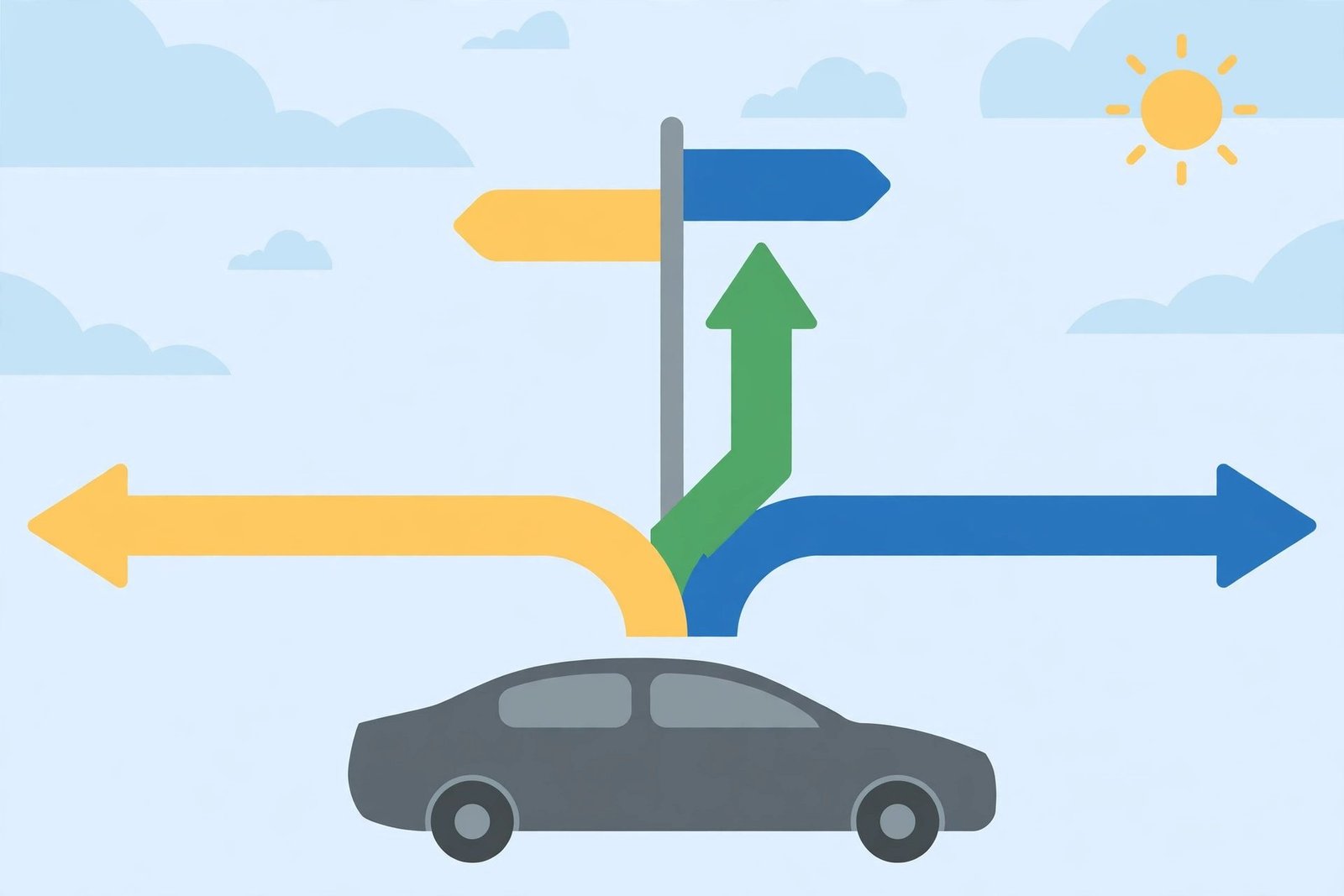
The Voluntary Termination “Half Rule”
Under the Consumer Credit Act 1974, on HP and PCP agreements you can hand the car back and walk away once you have paid half of the total amount payable — the “half rule”. On PCP, that total includes the balloon. Paid less than half? Just top it up to the halfway mark and return the car.
A genuine safety net if life changes — a job loss, an illness, a car that no longer fits. Two caveats: it applies to HP and PCP, not leases, and the car must be in reasonable condition.
An EV Depreciation Warning
Electric cars deserve a warning in this PCP vs HP vs lease UK debate: some EVs have lost 40–50% of their value in three years. On PCP, the GFV set three years ago can end up way above the car’s real value — zero equity for your next deal, and a balloon higher than the car is worth.
On a lease, depreciation is the finance company’s problem — which is why EVs often lease surprisingly cheaply. If you fear the value cliff, leasing (or a nearly-new purchase) usually beats PCP. The flip side: payments never stop and you build no equity.
Who Should Pick Which?
- Pick HP if: you keep cars five years or more, drive high mileage, or want an asset at the end.
- Pick PCP if: you want a new car every three years, stay within your mileage limit, and can budget for the year-three balloon.
- Pick a lease if: you want the lowest monthly cost, drive for business, or want an EV without the depreciation risk — and are fine owning nothing.
FAQs
What is the cheapest option in the PCP vs HP vs lease UK comparison?
Leasing is the cheapest option in the PCP vs HP vs lease UK comparison: roughly £350 a month and £13,650 over three years on a £25,000 car, with nothing owned at the end. But “cheapest” means lowest cash out only — HP’s £29,960 leaves a car worth £12,000–£14,000, often the better long-term value.
What happens if I go over my mileage on PCP or a lease?
Excess mileage on a PCP or lease is charged at 7–12p per mile when you return the car — 2,000 miles over your limit means £140–£240 owed. Agreeing a realistic mileage allowance up front is far cheaper, so check your real annual mileage before signing.
What is voluntary termination and how does the half rule work?
Voluntary termination is your legal right under the Consumer Credit Act 1974 on HP and PCP agreements: once you have paid half of the total amount payable (including the PCP balloon), you can hand the car back and owe nothing more. The car must be in reasonable condition.
Is the PCP balloon payment negotiable?
The PCP balloon (GFV) is set by the lender based on predicted depreciation and is rarely negotiable. What you control is the deposit size and contract length. At the end you decide: pay the balloon and keep the car, hand the car back, or part-exchange if it is worth more than the GFV.
Should I lease an electric car instead of buying one?
Often, yes. EVs can lose 40–50% of their value in three years, and a lease shields you from that value cliff — which is why electric car leases are often surprisingly cheap. The trade-off: a lease builds no equity, so those monthly payments never stop.
No option wins on every measure: leasing wins on monthly cost, HP wins on long-term value, PCP wins on flexibility — if you budget for the balloon. Compare total cost of ownership, not the monthly payment. That one habit will save you thousands.