






UK banks are currently paying up to £300 in cash to win your current account, and the biggest single lump sum on a fee-free account is HSBC’s £220. Bank switching bonuses UK deals change fast and can be withdrawn with little notice, so the figures in this guide are the live offers as listed in late October 2026 — always check the bank’s own page before you apply.

Why would a bank hand you £200 just for moving? Because once your salary, direct debits and standing orders land in a new account, most people stay put for years. The bonus is a one-off acquisition cost for the bank, and a genuinely free windfall for you — provided you meet the qualifying conditions. The switch itself is free, takes seven working days, and is covered by the Current Account Switch Service (CASS) guarantee.
Switching is also more popular than ever. Pay.UK’s switch service recorded 608,528 switches in the first half of 2026, up 39% on the same period a year earlier, with more than 1.2 million switches over the past twelve months. Clearly, plenty of people have decided the admin is worth it. Here is how to join them — and how to avoid the traps that quietly disqualify people.
Bank Switching Bonuses UK: The Live Offers (Late October 2026)
The table below summarises the headline offers as listed by comparison sites in late October 2026. Treat it as a starting point, not gospel: deadlines move, and some offers are “until withdrawn”, which means they can vanish overnight.
- Barclays Bank Account — up to £300. The biggest headline figure, but only £150 arrives up front; the rest is paid as £30 a month over five months, with salary and card-spending conditions each month.
- HSBC Bank Account — £220. The largest single lump sum on a fee-free account. Apply in the app, then within 60 days switch with two direct debits, pay in £2,000 and spend £500 on the debit card.
- first direct 1st Account — £210. Open by 2 December 2026, then within 45 days switch with two direct debits or standing orders, pay in £1,000, make five debit card payments and log on to digital banking.
- Lloyds Club Lloyds — £200. Open the account and start the switch by 9 December 2026, with at least three active direct debits. No minimum pay-in, and payment comes within 14 working days of the switch starting — the simplest £200 on the list.
- NatWest and RBS Select or Reward — £200 each. Within 60 days of switching, pay in £1,250 and log in to the app. Note that NatWest and RBS are the same banking group, so you cannot collect both.
- Nationwide FlexDirect, FlexAccount or FlexPlus — £175. The smallest bonus here, but arguably the best total first-year value: FlexDirect also pays 5% interest on balances up to £1,500 for twelve months, plus cashback on debit card purchases and access to a regular saver paying 6.50%.
One offer to double-check before you chase it: Santander’s £240 Everyday Current Account bonus was still listed by some comparison sites in late October 2026, but at least one offer tracker reported it had already closed. That contradiction is exactly why you should verify on the bank’s own page — trackers go stale within days.
How the 7-Day Switch Actually Works
Your new bank does almost all the work. You open the new account, ask for a full switch through CASS, and your old account closes automatically. Your balance moves across, your direct debits and standing orders transfer, and incoming payments — salary, benefits, pension — are redirected to the new account for at least three years. The whole process takes seven working days, and Pay.UK reports that 99.3% of switches complete within that window.
And if something does go wrong? The CASS guarantee says your new bank must refund any interest or charges you lose because of a switching error. That guarantee is the reason switching feels far less scary than it used to: the risk sits with the banks, not with you. Just avoid switching in the middle of a mortgage application, and time it so no large payment lands on the exact switch date.
The Burner Account Strategy (Keep Your Main Account)
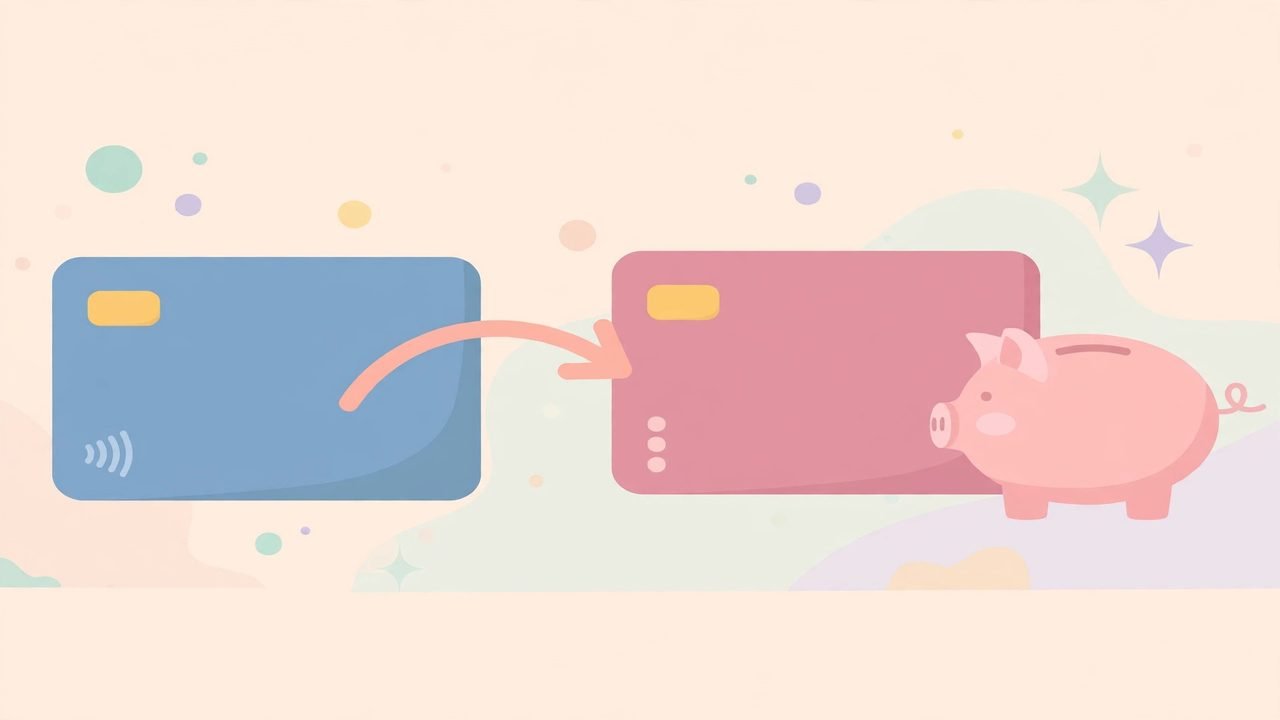
Here is the tactic the plan’s research flagged as underused, and it is a good one: you do not have to switch your main account at all. Open a spare, fee-free account — a “burner” — fund it with a couple of small direct debits (a £1 charity donation and a streaming subscription, say), then switch that account to the bank offering the bonus. Your main account, salary and bills never move.
This works because most bonuses only require a full CASS switch of an account, not your primary one. It also lets you repeat the trick: once the bonus lands and any minimum term passes, that account can become the burner for the next offer. Some switchers stack £500 or more a year this way. Just be honest with yourself about the admin — each switch needs its own qualifying steps, and missing one pay-in can cost you the whole bonus.
The Small Print That Disqualifies People
Most failed bonuses fail on one of a handful of rules. Read these before you apply, not after:
- Previous-customer exclusions. Many banks refuse the bonus if you have held an account with them — or their group — since a certain date. NatWest and RBS count as one group; Lloyds, Halifax and Bank of Scotland count as another.
- Pay-in and spending deadlines. The clock usually starts when the account opens or the switch begins, not when you get around to it. Diary the dates the day you apply.
- Direct debit counts. Some offers need two or three active direct debits transferred with the switch. A dormant direct debit may not count.
- Cooldown periods. A few banks will not pay a second bonus within a set period, even if you switch a different account.
- Monthly fees. Reward and packaged accounts can charge £2–£20 a month. A £200 bonus on an account costing £15 a month stops looking generous after a year — check whether you can downgrade to the free version after the bonus lands.
Is Switching Worth It for You?
Do the maths honestly. If you can meet the conditions without changing your spending, a £200 bonus for roughly an hour of admin is an excellent return — and the burner strategy means you need not disturb your main banking at all. If the conditions force you to move your salary, open paid accounts or spend money you would not otherwise spend, the bonus may cost more than it pays.
One more consideration: switching itself does not harm your credit score in any lasting way, but the new bank will run a credit check when you apply, and several applications in a short window can leave a temporary mark. Space your switches out, use eligibility checkers first, and never switch purely for a bonus if you are about to apply for a mortgage.
The bottom line? Bank switching bonuses are real, free money — but only for people who read the conditions and diary the deadlines. Pick one offer, meet every condition, bank the bonus, and then decide whether the account is worth keeping on its own merits.
Bank switching bonuses UK customers can get in late October 2026 range from £175 to £300, with Barclays paying up to £300, HSBC paying £220, first direct paying £210, and Lloyds, NatWest and RBS paying £200 each. Every offer requires a full switch through the Current Account Switch Service and has its own qualifying conditions and deadlines.
A UK bank switch takes seven working days through the Current Account Switch Service. Your new bank moves your balance, direct debits and standing orders automatically, closes your old account, and redirects incoming payments to the new account for at least three years under the switch guarantee.
Switching bank accounts can leave a short-term mark on your credit file because the new bank runs a credit check when you apply. A single application has little lasting effect, but several applications in a short window can temporarily lower your score, so space switches out and avoid switching just before a mortgage application.
Yes, you can switch a spare account and keep your main account untouched. Open a free second account, add two small active direct debits, then switch that spare account through the Current Account Switch Service to collect the bonus while your salary and bills stay exactly where they are.
A switching bonus usually fails to arrive because a qualifying condition was missed, such as the minimum pay-in, the required number of active direct debits, or a deadline measured from the account opening date. Previous-customer exclusions within the same banking group are another common cause, so check the offer terms and contact the bank with your switch dates.
Important: This is general information, not financial advice. Switching bonuses change frequently and can be withdrawn at any time — always check the bank’s official offer page before switching.