



You’ve got $500. Not $50,000 — five hundred bucks. And you’re wondering whether that’s enough to start something real.
Here’s the honest answer: it depends entirely on what you start, and how disciplined you are with that money. $500 (or £400, or €460) won’t open a café or a retail store. But it can launch a service business, a freelancing operation, a small online shop, or a handmade-goods venture — and those are exactly the kinds of businesses micro-entrepreneurs across the UK, USA and Europe are building every single day.
Let’s walk through a realistic plan for how to start a small business with $500 in 2026 — including a budget breakdown that actually adds up.
Start Small Business With $500: Pick a Business That Fits the Budget
This is the step most people get backwards. They fall in love with an idea, then try to squeeze it into their budget. Flip it around.
With $500, your best bets are businesses with:
- Near-zero inventory — services, digital products, freelancing, consulting
- No premises — work from home, from your kitchen, or on the move
- Tools you already own — a laptop, a smartphone, basic kitchen equipment
Think about it: a cleaning service in Leeds needs supplies you can buy for £60. A mobile phone repair side gig in Manchester needs a £40 toolkit and some practice. Freelance copywriting needs a laptop and Wi-Fi — things you probably already have. A homemade jam or candle business can start in a normal home kitchen.
What doesn’t work with $500? Anything requiring rent, serious equipment, or licensed premises on day one. Keep that dream for year two.
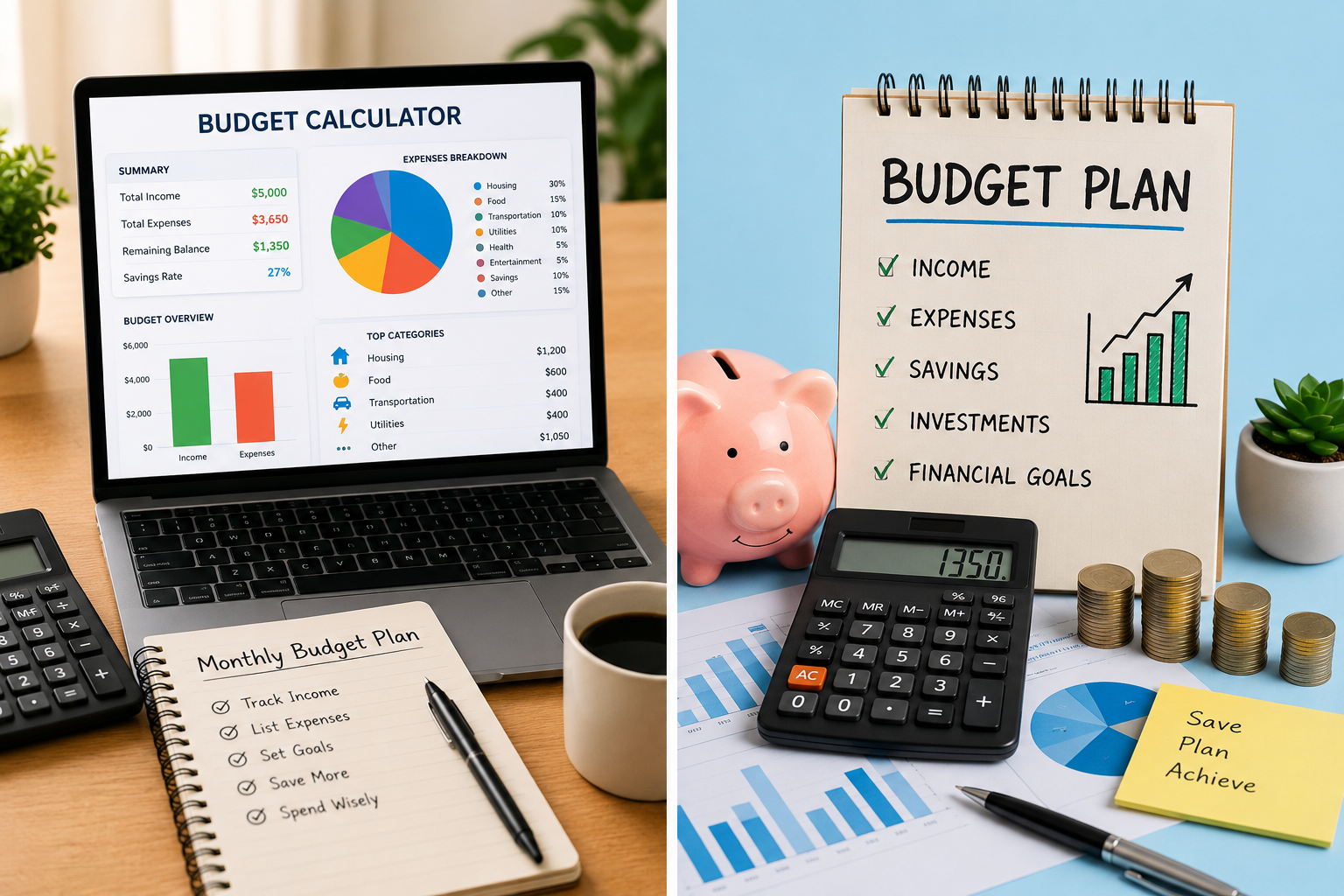
Your $500 Budget Breakdown (A Real One)
Vague advice is useless, so here’s how that $500 could actually be spent. Adjust for your currency, but the proportions hold:
- $80–100 — Legal basics: In the UK, registering as a sole trader with HMRC is free; in the US, filing a DBA or LLC varies by state ($50–150). In most of Europe, a micro-entrepreneur or auto-entrepreneur registration is cheap or free. Budget something here either way.
- $100–150 — Online presence: A domain name ($12–15/year) plus one year of simple hosting or a website builder plan. This is your shopfront. Don’t skip it.
- $60–80 — Essential supplies: Your product or service essentials — cleaning products, ingredients, a repair toolkit, whatever your first orders need.
- $50 — Payment setup: A basic card reader or account fees (many are free until you transact). Being able to take card payments on day one looks professional.
- $100 — Marketing: Printed flyers, a few pounds for local social media ads, a basic logo. This is how your first customers find you.
- Remainder — Buffer: Something will go wrong. A supplier raises prices, you need an extra box of something. Keep $50–70 unspent as your emergency fund.
Notice what’s not in the budget: a fancy logo agency, business cards in gold foil, paid courses, “mentorship programs.” None of that earns you a single customer.
Get Your First Customers Before You Spend More
Here’s the secret of every successful $500 startup: the first sales come from people you already know or can reach for free.
Tell friends and family what you’re doing — genuinely, not with a hard sell. Post in local Facebook groups and community forums (Nextdoor in the US, local subreddits, parish boards). Put up flyers in corner shops and community centres that allow them. Offer your first five customers a founding discount in exchange for reviews and referrals.
That first £200 or $200 you earn is precious. Reinvest it — don’t spend it on a takeaway to celebrate. Buy the next batch of supplies, run one more small ad, save some. Momentum matters more than comfort at this stage.
Five $500 Business Ideas That Actually Work in 2026
Not sure what to start? These five are proven at this budget level in the UK, USA and Europe:
- Home cleaning or decluttering service — supplies under £60, leaflets, and you’re trading
- Freelance services (writing, design, bookkeeping, social media) — laptop required, almost nothing else
- Homemade food or baked goods — check local food-hygiene registration rules first, they’re usually free or cheap
- Mobile phone and gadget repair — a toolkit and a few hours of YouTube practice
- Pet sitting or dog walking — insurance is your main cost; trust is your main asset
Common $500 Startup Mistakes to Avoid
Want to know where most tiny budgets die? Here are the traps:
- Spending on branding before selling. A £300 logo doesn’t get customers. Ten flyers and one satisfied client do.
- Buying stock you can’t shift. Start with pre-orders or made-to-order. Let demand pull your spending, not the other way around.
- Ignoring the boring admin. Register properly, keep every receipt, open a separate bank account or at least a separate wallet. Tax headaches later cost far more than $500.
- Pricing too low. The temptation is to undercut everyone. Don’t. Price fairly for your time — you can always run promotions, but raising prices later is painful.

FAQ: Starting a Small Business With $500
Is $500 really enough to start a business legally?
In most cases, yes. Sole-trader registration is free in the UK and inexpensive in most US states and European countries. Your main costs are supplies and a basic online presence — both fit comfortably in $500 for a service business.
What business can I start with $500 and no experience?
Cleaning, pet sitting, simple errand services, reselling (thrift flipping), and basic freelance admin work all need more reliability than experience. Start where the bar is low and learn as you earn.
Should I get a microloan instead of starting with my own $500?
If $500 is all you have, start with it. A microloan makes sense when you’ve proven demand and need capital to scale — say £2,000 for equipment after your first 20 customers. Borrow to grow, not to experiment.
How long until a $500 business makes money?
Service businesses can earn from week one. Product businesses usually take 1–3 months to find their footing. If nothing has sold after three months of real effort, change the offer, the price, or the audience — don’t just spend more.
Conclusion
Starting a small business with $500 isn’t a fantasy — it’s how a huge number of real businesses begin. The formula is simple but not easy: pick a business that fits the budget, spend on customers not cosmetics, sell before you perfect, and reinvest every early pound. Your $500 isn’t seed capital for a dream. It’s a tool. Use it like one, and it can build you something far bigger than itself.