





If you or your partner earn over £60,000, the child benefit high income charge claws back your Child Benefit at 1% for every £200 you earn above £60,000. At £80,000 the charge reaches 100%, so you keep none of it. The good news? The charge is based on your adjusted net income — and pension contributions can legally bring it down to zero.
Most families only discover this charge when a Self Assessment bill lands, sometimes years late and with penalties attached. Here is the full 2026/27 picture: what Child Benefit is worth, the exact clawback table, why the taper can push your real tax rate towards 60%, and the pension fix that can wipe the charge out.
How Much Is Child Benefit Worth in 2026/27?
Child Benefit is a regular government payment to help with the cost of raising children, and it is not means-tested when you claim it. For 2026/27 it pays £27.05 a week for your eldest or only child and £17.90 a week for each additional child, usually paid every four weeks. Over a full year that is £1,406.60 for one child, £2,337.40 for two, and £3,268.20 for three. The claimant also earns National Insurance credits towards their State Pension while they have a child under 12 — which matters if one parent is not working, and is why simply not claiming is usually a mistake.
How the Child Benefit High Income Charge Works
The charge — officially the High Income Child Benefit Charge, or HICBC — has applied since 2013, but the rules became far more generous in April 2024, when the starting threshold rose from £50,000 to £60,000. For 2026/27: up to £60,000 of adjusted net income means no charge; between £60,000 and £80,000 you repay 1% of your Child Benefit for every £200 above £60,000; at £80,000 or more you repay 100%.
The formula is simple: divide the amount above £60,000 by £200, round down, and that is the percentage you repay. At £62,000 you are £2,000 over — ten lots of £200 — so the charge is 10%. At £70,000 it is 50%. At £80,000 it is 100%, and it can never exceed the Child Benefit you received.
One detail catches families out: the charge is based on the highest earner’s individual income, not the household total. A couple where each partner earns £59,000 — £118,000 between them — pays nothing at all, while a single earner on £70,000 with a stay-at-home partner pays a 50% charge. It is widely criticised as unfair to single-earner families, but it is the rule, and planning around it is perfectly legitimate.
The Full Clawback Table: £60,000 to £80,000 (2026/27)
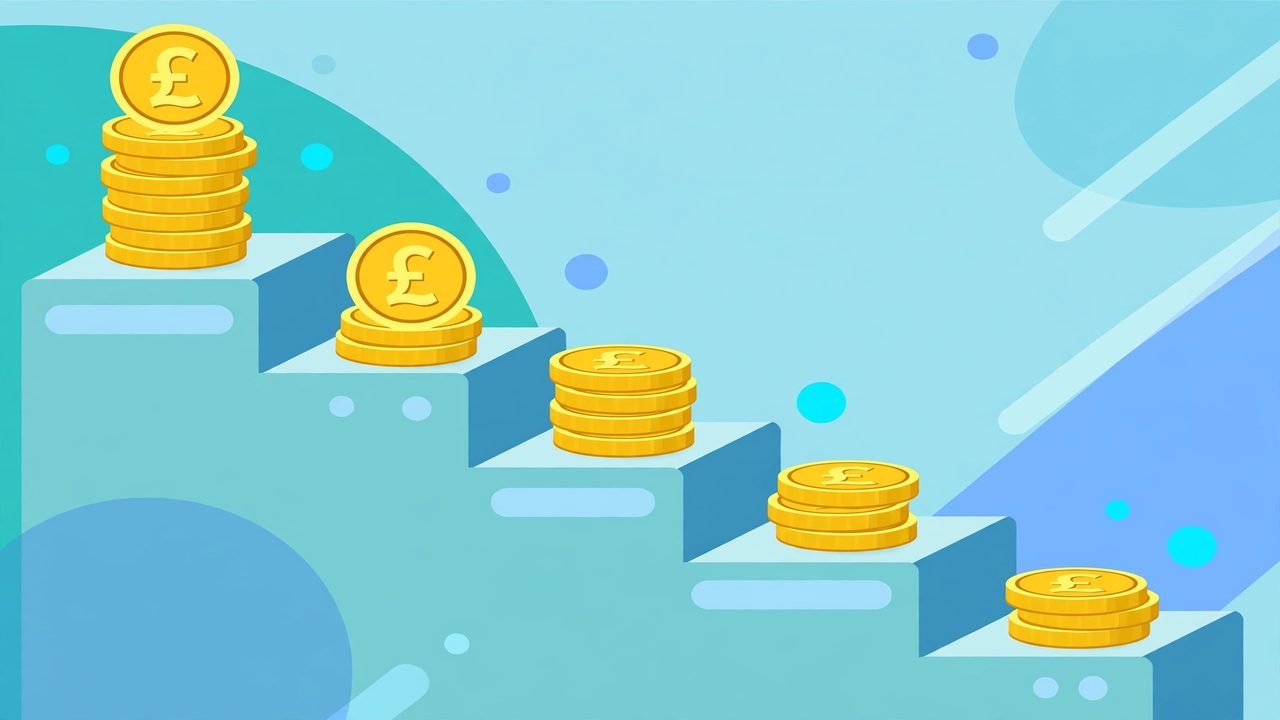
Here is exactly what the child benefit high income charge costs at every £2,000 step of the taper, for one, two and three children. Find your adjusted net income, read across, and you have your charge for the year.
| Adjusted net income | Charge | 1 child (£1,406.60) | 2 children (£2,337.40) | 3 children (£3,268.20) |
|---|---|---|---|---|
| £60,000 | 0% | £0 | £0 | £0 |
| £62,000 | 10% | £140.66 | £233.74 | £326.82 |
| £64,000 | 20% | £281.32 | £467.48 | £653.64 |
| £66,000 | 30% | £421.98 | £701.22 | £980.46 |
| £68,000 | 40% | £562.64 | £934.96 | £1,307.28 |
| £70,000 | 50% | £703.30 | £1,168.70 | £1,634.10 |
| £72,000 | 60% | £843.96 | £1,402.44 | £1,960.92 |
| £74,000 | 70% | £984.62 | £1,636.18 | £2,287.74 |
| £76,000 | 80% | £1,125.28 | £1,869.92 | £2,614.56 |
| £78,000 | 90% | £1,265.94 | £2,103.66 | £2,941.38 |
| £80,000+ | 100% | £1,406.60 | £2,337.40 | £3,268.20 |
If your income falls between two rows, use the formula: 1% for every full £200 above £60,000. At £67,500 with two children you are £7,500 over — 37 lots of £200 — a 37% charge of £864.84.
Why the Taper Feels Like a 60% Tax Rate
Between £60,000 and £80,000, every extra £1 you earn is hit three times: 40% income tax, 2% National Insurance, and the growing HICBC clawback. For two children, 1% of the £2,337.40 annual benefit is £23.37 — so every extra £200 of income costs £23.37 of Child Benefit, an extra 11.7% marginal rate. Add the tax and NI, and the real marginal rate is about 54%. With three children it is roughly 58%, and with four or more it passes 60% — which is where the “60% trap” name comes from. Even with one child the rate is about 49%, far above the 40% headline higher rate.
Take a concrete example. A single-earner family with two children earns £70,000. Their charge is 50% of £2,337.40 — £1,168.70 — so they keep £1,168.70 and repay the rest. Give them a £10,000 pay rise to £80,000 and the extra £10,000 attracts £4,000 of income tax, £200 of National Insurance, and the HICBC jumping from 50% to 100% — another £1,168.70. Total extra tax on the £10,000 rise: £5,368.70. They keep just £4,631.30 of a £10,000 rise. Above £80,000 the taper ends and the marginal rate drops back to 42%, since the charge can no longer grow.
How to Reduce or Remove the Charge: The Pension Fix
The most powerful fact about the child benefit high income charge is that it is based on adjusted net income, not gross salary. Adjusted net income is your total taxable income minus certain deductions — most importantly pension contributions and Gift Aid donations. That means you can shrink the charge, or wipe it out, by paying more into your pension.
Example one: you earn £65,000 with two children, facing a 25% charge of £584.35 a year. Put £5,000 into your pension and your adjusted net income falls to £60,000 — the charge drops to zero, you keep the full £2,337.40, and you get 40% tax relief on the contribution.
Example two: you earn £70,000 with two children, facing a 50% charge of £1,168.70. Pay £10,000 into your pension and your adjusted net income is £60,000 — the charge disappears, you keep all £2,337.40, and the contribution attracts higher-rate tax relief. This is one of the few situations where a pension contribution can effectively pay for itself. Salary sacrifice is the cleanest way to do it: your employer pays the contribution before tax, so your gross salary falls automatically and you save National Insurance as well as income tax. Gift Aid donations work the same way, so if you give to charity anyway, routing it through Gift Aid cuts your HICBC at the same time.
Should You Still Claim Child Benefit?
If your income is permanently above £80,000, it is tempting to not claim at all — but there is a smarter move. You can claim Child Benefit but opt out of receiving the payments. The claim stays on record, so the lower-earning parent keeps their National Insurance credits towards the State Pension, and your child is still automatically issued a National Insurance number near their 16th birthday. You simply avoid the charge because no payments are made. Opting out is usually only sensible once income is permanently above £80,000; inside the taper it is almost always better to claim the payments and reduce the charge through pension contributions or Gift Aid. And never just fail to claim: a stay-at-home parent who never registers can quietly lose years of NI credits, and each missing year can reduce their eventual State Pension.
How Do You Pay the Charge?
If you are liable and still receiving payments, you generally must file a Self Assessment tax return to declare and pay it — even if all your income is taxed through PAYE. HMRC can collect it through your tax code in some cases, but Self Assessment remains the main route. The charge for 2026/27 is due by 31 January 2028, and you must register for Self Assessment by 5 October 2027 if you have not filed before. Miss it and you can face penalties and interest on top of the charge — which is how families end up with surprise bills years later. If you have recently crossed £60,000 for the first time, check now whether you need to register.
FAQs
How much is the child benefit high income charge at £70,000?
At £70,000 of adjusted net income, the child benefit high income charge is 50% of your annual Child Benefit. For two children that is 50% of £2,337.40, or £1,168.70 for the 2026/27 tax year. For one child it is £703.30, and for three children it is £1,634.10.
Is the child benefit high income charge based on household income or individual income?
The child benefit high income charge is based on the highest earner’s individual adjusted net income, not the household total. Two partners each earning £59,000 pay no charge, while one partner earning £70,000 and the other earning nothing pays a 50% charge.
Can pension contributions reduce the child benefit high income charge?
Yes, pension contributions reduce the child benefit high income charge because they lower your adjusted net income, the figure the charge is calculated on. If you earn £70,000 and pay £10,000 into your pension, your adjusted net income falls to £60,000 and the charge drops to zero, plus you get 40% tax relief on the contribution.
Should I opt out of Child Benefit if I earn over £80,000?
If you earn over £80,000, you should claim Child Benefit but opt out of receiving the payments rather than not claiming at all. Opting out of payments avoids the charge while keeping the claim on record, which protects the lower-earning parent’s National Insurance credits and your child’s automatic National Insurance number.
Do I need to file a tax return because of the child benefit high income charge?
Yes, if you are liable for the child benefit high income charge and still receiving payments, you generally need to file a Self Assessment tax return to declare and pay it, even if all your income is taxed through PAYE. The charge for 2026/27 is due by 31 January 2028, and you must register for Self Assessment by 5 October 2027 if you have not filed before.
The child benefit high income charge looks complicated, but the maths is simple: 1% of your Child Benefit for every £200 over £60,000, gone entirely at £80,000. Work out your adjusted net income, find your row in the table, and you know exactly what you owe. And before you accept the charge, run the pension numbers — for many families in the taper, a pension contribution cuts tax, keeps the full Child Benefit, and builds retirement savings all at once.
At £70,000 of adjusted net income, the child benefit high income charge is 50% of your annual Child Benefit. For two children that is 50% of £2,337.40, or £1,168.70 for the 2026/27 tax year. For one child it is £703.30, and for three children it is £1,634.10.
The child benefit high income charge is based on the highest earner’s individual adjusted net income, not the household total. Two partners each earning £59,000 pay no charge, while one partner earning £70,000 and the other earning nothing pays a 50% charge.
Yes, pension contributions reduce the child benefit high income charge because they lower your adjusted net income, the figure the charge is calculated on. If you earn £70,000 and pay £10,000 into your pension, your adjusted net income falls to £60,000 and the charge drops to zero, plus you get 40% tax relief on the contribution.
If you earn over £80,000, you should claim Child Benefit but opt out of receiving the payments rather than not claiming at all. Opting out of payments avoids the charge while keeping the claim on record, which protects the lower-earning parent’s National Insurance credits and your child’s automatic National Insurance number.
Yes, if you are liable for the child benefit high income charge and still receiving payments, you generally need to file a Self Assessment tax return to declare and pay it, even if all your income is taxed through PAYE. The charge for 2026/27 is due by 31 January 2028, and you must register for Self Assessment by 5 October 2027 if you have not filed before.