

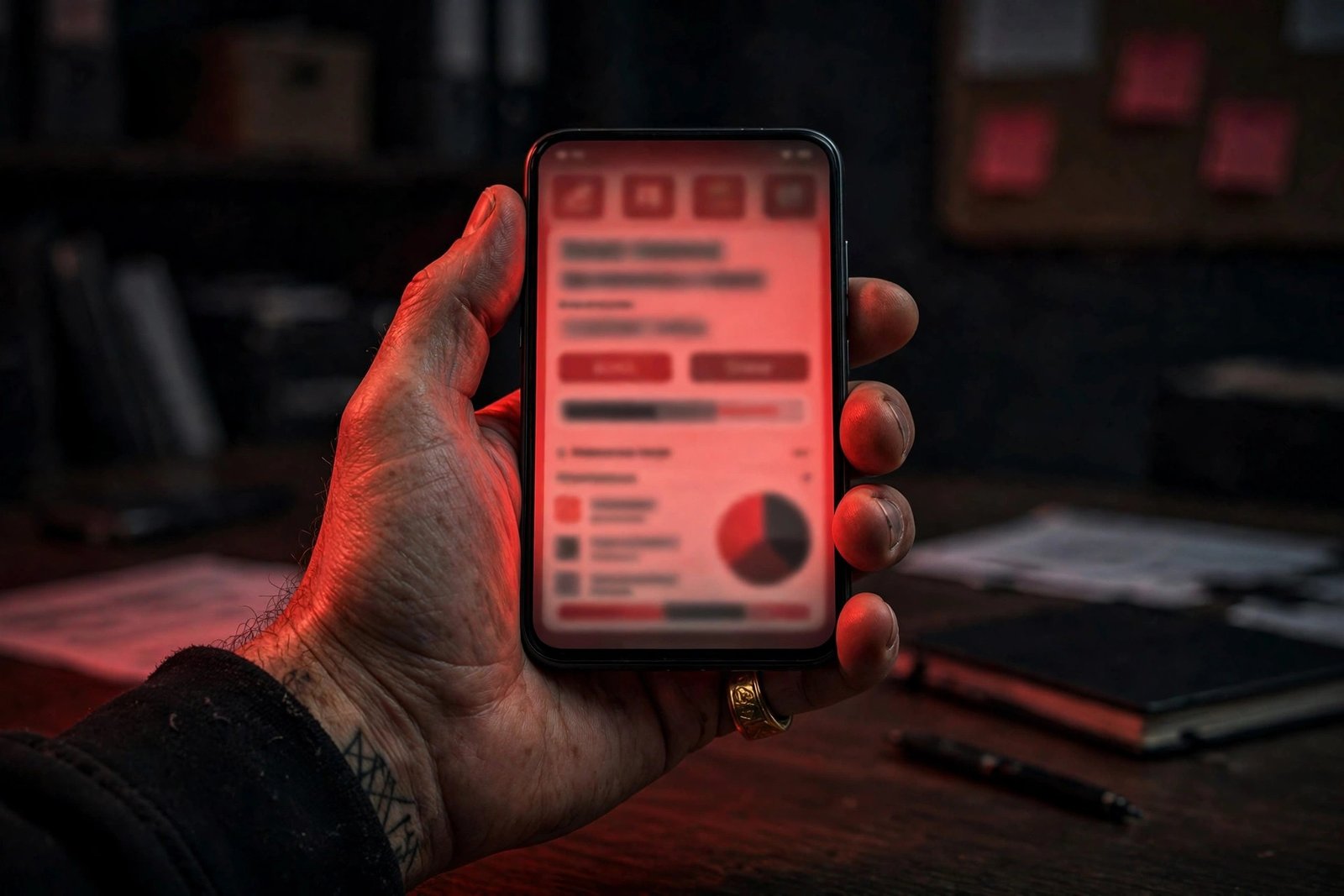




Nobody takes out a microloan planning to default. You borrow with a plan — stock for the shop, a machine for the workshop, seeds for the field — and you fully intend to pay every installment on time. Still, smart borrowers learn the microloan default consequences before they ever need them, because life does not always follow the plan.
So what actually happens then? What are the real microloan default consequences — not the rumors, but the practical reality? This guide gives you an honest answer: how lenders respond, what it costs you, and how to recover and rebuild afterward.

What Counts as a Default?
First, some clarity on terms. Missing a single payment does not make you a defaulter — it makes you late. Lenders distinguish between delinquency (payments overdue by days or weeks) and default (a sustained failure to repay, usually defined as 90 days or more past due, though definitions vary by lender and country).
The timeline typically looks like this: reminders in the first week or two, delinquency status with accumulating late fees between one and three months, and formal default classification past roughly ninety days — which triggers the serious consequences described below.
One thing worth knowing: the clock and the labels matter because they determine what gets reported about you. A payment that is thirty days late looks very different on your record than a loan written off as a default. This is why acting early — even if you cannot pay in full — makes such an enormous difference.
Microloan Default Consequences: The Financial Impact
Let us talk money first, because the financial microloan default consequences hit fast and compound quietly:
- Late fees and penalty interest. Nearly every microloan agreement includes penalty charges on overdue amounts. These are often calculated daily or monthly on the missed balance, so a small missed payment can grow surprisingly quickly if left alone.
- Capitalization of arrears. Some lenders add the missed payments and penalties to your outstanding principal. Your debt does not just sit still while you struggle — it grows.
- Loss of future borrowing. This is the big one. Microfinance runs on trust and track records. A default can lock you out of future loans from that lender — and since lenders often share defaulter information through credit bureaus or industry networks, it can lock you out of others too.
- Forfeited savings or deposits. Some institutions require compulsory savings alongside the loan. In a default, those savings may be seized to offset the outstanding balance.
- Group liability fallout. If your loan was a group loan, your fellow members must cover your share. The financial consequence lands on them too — along with the damage to relationships you may have had for years.
Credit History Damage and How Long It Lasts
Here is a myth worth killing: “microloans are too small to affect my credit score.” In 2026, that is increasingly untrue. Microfinance institutions in most countries now report to national credit bureaus or maintain shared defaulter registries. A default on a $300 microloan can appear on your formal credit record just like a defaulted bank loan.
How long does the stain last? It depends on the country, but negative records typically remain visible for three to seven years — during which you may be denied microloans, bank overdraft facilities, phone contracts, and even some jobs involving money.
The good news: credit records are not permanent tattoos. Once you settle the debt — even partially, through a negotiated agreement — the status updates. A “settled” or “paid” marker looks dramatically better than an open default. And positive borrowing behavior afterward gradually rebuilds your score. Lenders care most about recent history, so a default from four years ago matters far less than your clean record since.
Legal Consequences: Can You Go to Jail?
This is the question that keeps defaulting borrowers up at night, so let us answer it plainly: in most countries, you cannot be imprisoned simply for failing to repay a loan. Unpaid debt is a civil matter, not a criminal one. No legitimate lender can have you arrested for defaulting.
In practice, most microfinance institutions rarely sue over small balances — the legal costs exceed the debt. What they do instead is more effective: cut you off from future credit and report the default. For a small business owner who depends on working capital, that exclusion hurts more than any courtroom ever could.
How to Recover After a Default
A default feels final, but it is genuinely recoverable. Borrowers rebuild after defaults all the time. Here is the practical path:
Step one: face the lender. Avoiding calls and visits is the single worst thing you can do. Contact the institution, explain what happened, and ask about settlement options. Many lenders will accept a lump-sum settlement for less than the full balance, or agree to a restructured payment plan you can actually meet.
Step two: get any agreement in writing. If the lender agrees to a reduced settlement or a new schedule, get it documented — a signed letter, an email, something you can point to. Verbal promises evaporate; paper endures.
Step three: pay it and get proof of closure. Request a clearance letter or no-dues certificate once settled. This document proves the matter is closed and can be shown to future lenders.
Step four: rebuild slowly. Start with the smallest loan available — sometimes called a “rehabilitation” or “restart” loan — and repay it flawlessly. Two or three clean cycles will do more for your reputation than any explanation ever could.
Microloan Default FAQs
Will the lender seize my property if I default?
Microloans are usually uncollateralized, so there is typically nothing to seize. However, if you pledged specific assets or the loan agreement includes a claim on business equipment, the lender may have legal recourse against those items. Read your agreement carefully — or ask the lender to explain it.
Can I negotiate with the lender instead of defaulting?
Absolutely, and you should. Most lenders prefer restructuring — extending the term, reducing installments, or granting a payment holiday — over a default. But you must ask before the situation becomes critical. Early, honest communication is your strongest negotiating tool.
Does defaulting affect my group members?
Yes. Under joint liability, your group must cover your missed payments, and your default damages everyone’s collective record — potentially reducing future loan amounts for all members.
How soon can I borrow again after a default?
Once the debt is settled and you have a clearance letter, some lenders will consider a small new loan within six to twelve months. Others require a longer clean period. Your fastest route back is usually the same institution you defaulted with — settling the old debt there and rebuilding the relationship directly.
The honest truth about microloan default consequences is that they are serious but survivable. The financial penalties sting, the credit damage lingers, and the social cost — especially in group lending — can be the hardest part. But none of it is permanent. Communicate early, settle what you owe, document everything, and rebuild one clean repayment at a time.