




Taking out a microloan can feel like a big step — especially if it is your first time borrowing. But once the money is in your hands, a new question takes over: how does microloan repayment actually work? Do you pay weekly or monthly? What happens if a payment is late? Is there any flexibility when business is slow?
These are exactly the questions to ask before you sign anything. Repayment is the engine of microfinance, and the schedules are designed to match the rhythm of small businesses and low-income borrowers — but they still demand discipline. This guide walks you through the whole process: how schedules are structured, the ways you can pay, what a grace period means, and how to stay on track.

How Microloan Repayment Schedules Are Structured
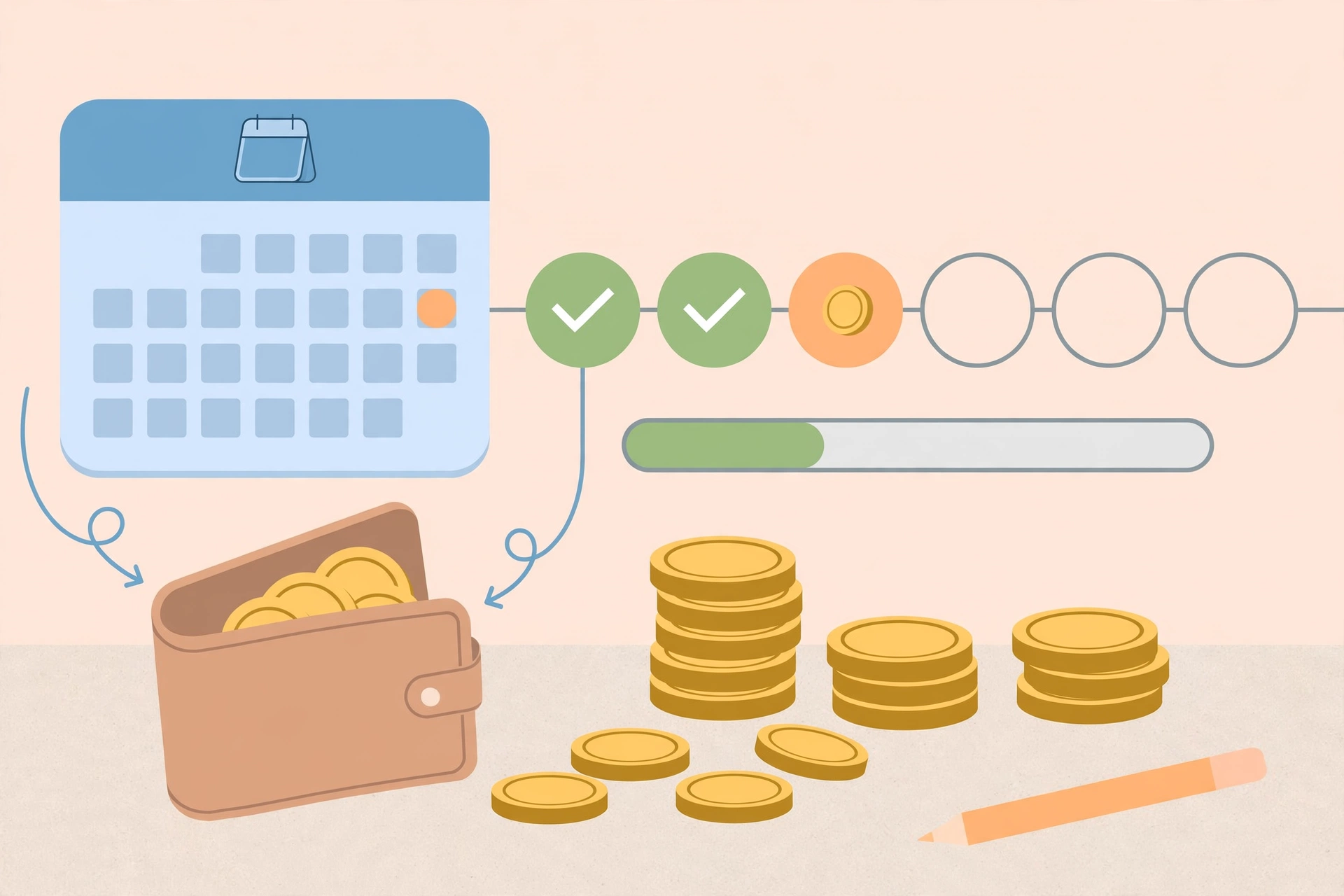
Unlike a traditional bank loan repaid monthly over several years, microloan installments usually come weekly or bi-weekly over three to twelve months. Some lenders use monthly schedules, but frequent small payments are the classic microfinance model.
The logic is simple and quite clever. Small business owners — street vendors, tailors, farmers — earn money in small daily amounts. A vegetable seller making $8 a day can comfortably hand over $12 a week, but saving $50 for one monthly payment might never happen. Frequent installments mirror how borrowers actually earn.
Your schedule is fixed when you take the loan: installment amount, due dates, and the total repayable including interest. That total is often presented as a flat figure — borrow $400, repay $440 over 20 weeks — so every payment is predictable. No surprises, no balloon payment lurking at the end.
Repayment Methods: How You Actually Pay
Cash at a branch office still exists, but options have expanded dramatically. Here is what most microfinance institutions offer in 2026:
- Mobile money and digital wallets: now the default in many regions. You send the installment through a phone app and the system logs it instantly — no travel, and a digital receipt you cannot lose.
- In-person cash collection: field officers collect cash at weekly group meetings. Old-school, but reliable where connectivity is limited.
- Bank transfer or auto-debit: the easiest way to never miss a payment — provided the money is actually in the account on the due date.
- Agent and kiosk payments: hand cash to a local agent who processes it electronically for a small fee.
Whatever method you use, keep every receipt or transaction confirmation. If a payment ever goes missing in the system, that slip of paper or SMS is your proof. Build the habit early: check your remaining balance every few payments so you and the lender always agree.
Understanding Grace Periods
Many lenders offer a grace period — two to eight weeks with no payments while you put the money to work. Borrow to buy a sewing machine, and a four-week grace period lets you take orders and earn before the first installment is due.
But a grace period is not free money. Interest typically still accrues, so the loan costs the same or slightly more — the grace period is about timing, not a discount. Ask directly: does interest accumulate during it? Can it be extended if something goes wrong? Some lenders also offer seasonal schedules for farmers — smaller payments during the growing season, larger ones after harvest. If your income is seasonal, ask for this structure rather than taking a rigid schedule and struggling later.
What Happens If You Miss a Payment?
Missing one installment is not the end of the world — but ignoring it is the beginning of a real problem. Typically, the lender contacts you within days to ask what happened. At this stage most lenders are reasonable, especially if you have a good record and a genuine explanation. Some allow a one-time rescheduling.
If missed payments pile up, late fees accumulate and get added to your balance, making remaining installments heavier. Your record with the lender suffers — and in microfinance, that history determines whether any lender trusts you again. In group lending, your fellow members may have to cover your share, which is exactly as uncomfortable as it sounds.
The golden rule? Contact your lender before the payment is due, not after. A quick call explaining the situation can buy you a revised schedule; silence buys you penalties.
Tips to Repay Without Stress
Successful microloan repayment is less about willpower and more about systems. Borrowers who repay smoothly tend to do a few simple things:
- Separate the installment money first. When cash comes in, set the repayment amount aside — a separate pocket, envelope, or wallet — before spending on anything else.
- Borrow below your maximum. Calculate what your weekly income can comfortably cover, and borrow under that ceiling — not the maximum offered.
- Keep a simple payment log. A notebook with dates and amounts takes thirty seconds per entry and protects you from disputes.
- Build a tiny buffer. Save one installment’s worth as a cushion in the first weeks. It is your insurance against a bad week.
- Finish early if you can. Many microloans allow early repayment without penalties — it saves interest and builds a stellar record for your next, larger loan.
Microloan Repayment FAQs
How long does repayment usually take?
Most microloans run three to twelve months with weekly or bi-weekly installments. Larger or agricultural loans can stretch to eighteen or twenty-four months. The exact term is set when you take the loan.
Can I repay early?
In most cases, yes — and it is usually smart. Many institutions allow early repayment with no penalty, and some reduce the total interest. Confirm the policy with your lender first, since terms vary.
Does repaying build my credit history?
Yes. Microfinance institutions increasingly report to credit bureaus or keep internal scoring systems. A clean record can qualify you for larger loans, better rates, and eventually formal banking products.
What if I cannot make next week’s payment?
Call your lender immediately — before the due date. Explain honestly and ask about rescheduling. Lenders would much rather adjust a schedule than chase a default, and early communication gets you a far better outcome than silence.
At the end of the day, microloan repayment is straightforward: small, frequent payments that match the way small businesses earn. The system is designed to be manageable — but it only works if you treat those installments as non-negotiable. Borrow wisely, communicate early when trouble appears, and finish strong. Do that, and your first microloan becomes the stepping stone to bigger opportunities: larger loans, better terms, and a credit record that opens doors.