
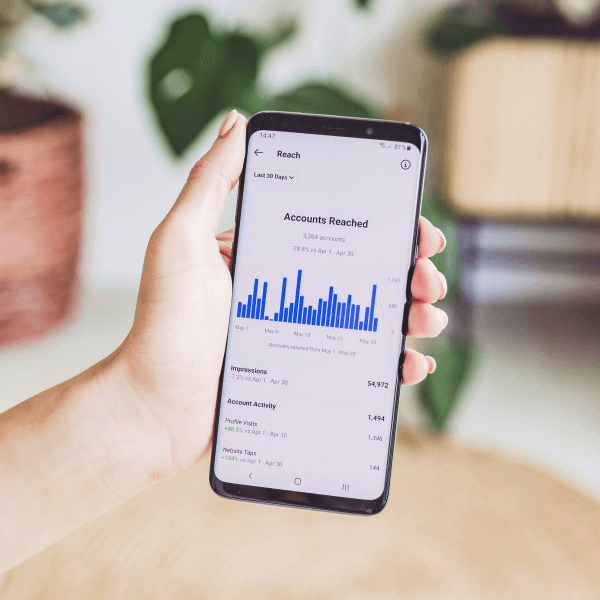
Influencer marketing has become one of the most powerful strategies in modern digital marketing. Over the past decade, brands have partnered with social media influencers to promote products, build credibility, and reach highly engaged audiences. However, as the digital landscape continues to evolve, many businesses are asking an important question: Is influencer marketing still worth it in 2026?
The answer is yes—but only when it is executed strategically and supported by data. Today’s successful influencer campaigns are no longer based solely on popularity or follower count. Instead, brands are relying on Marketing Analytics, Data Driven Marketing, and advanced tools such as Marketing Automation to evaluate influencer partnerships and maximize results.
In this article, we will explore whether influencer marketing remains valuable in 2026 and how businesses can use modern strategies, including Digital Marketing Analytics, to achieve measurable success.
The Evolution of Influencer Marketing
Influencer marketing has evolved significantly since its early days. In the past, brands often partnered with celebrities or influencers who had millions of followers. While these partnerships sometimes produced strong results, they were often expensive and difficult to measure.
Today, businesses are becoming more strategic. Rather than focusing only on follower numbers, marketers are analyzing audience engagement, authenticity, and relevance. Through Marketing Data Analysis, companies can evaluate how influencer audiences interact with content and whether those interactions lead to meaningful results.
This shift toward Data Driven Marketing allows brands to make smarter decisions about influencer partnerships and avoid wasting resources on ineffective campaigns.
Why Influencer Marketing Still Matters
Despite changes in the digital marketing landscape, influencer marketing continues to be highly effective. One of the main reasons is trust. Consumers often trust recommendations from influencers more than traditional advertisements.
Influencers build strong relationships with their followers, which makes their product recommendations feel authentic and relatable. When a brand collaborates with the right influencer, it gains access to an engaged audience that is already interested in similar products or lifestyles.
However, brands must carefully analyze these partnerships using Marketing Performance Analytics to ensure that influencer campaigns deliver real value.
The Role of Data Driven Marketing in Influencer Campaigns
In 2026, successful influencer marketing campaigns rely heavily on Data Driven Marketing strategies. Brands are no longer guessing which influencers will deliver results—they are using data to guide their decisions.
Through Marketing Data Insights, marketers can analyze audience demographics, engagement patterns, and content performance. These insights help brands identify influencers whose followers closely match their target audience.
For example, a company selling fitness products might analyze influencer data to find creators whose audiences are interested in health, exercise, and wellness. By aligning influencer partnerships with audience interests, brands can increase the effectiveness of their campaigns.
Using Marketing Analytics to Measure Performance
One of the biggest challenges in influencer marketing has always been measuring return on investment. Fortunately, modern Marketing Analytics tools make it easier than ever to track campaign performance.
By integrating influencer campaigns with Digital Marketing Analytics platforms, brands can monitor traffic, engagement, and conversions generated by influencer content. These tools provide valuable insights that help marketers determine whether a partnership is delivering measurable results.
Through Using Analytics for Marketing, businesses can evaluate influencer campaigns based on key performance indicators such as:
- Engagement rates
- Website traffic generated by influencer posts
- Conversion rates from influencer links
- Audience growth and brand awareness
Tracking these Marketing Performance Metrics allows companies to refine their strategies and invest in the influencers who deliver the best outcomes.
Micro-Influencers and Authentic Engagement
One of the most important influencer marketing trends in 2026 is the rise of micro-influencers. These influencers typically have smaller audiences—often between 10,000 and 100,000 followers—but their audiences tend to be highly engaged.
Micro-influencers often maintain closer relationships with their followers, which leads to higher engagement rates and stronger trust. For many brands, working with multiple micro-influencers can be more effective than partnering with a single celebrity influencer.
By analyzing performance data through Marketing Performance Analytics, brands can identify micro-influencers who consistently generate strong engagement and conversions.
Leveraging Marketing Automation in Influencer Campaigns
Another strategy that is transforming influencer marketing is Marketing Automation. Automation tools help brands manage influencer partnerships more efficiently by streamlining communication, tracking performance, and organizing campaign workflows.
For example, automation platforms can automatically track influencer content performance, measure engagement metrics, and generate reports. When combined with Analytics in Digital Marketing, these tools allow brands to monitor campaigns in real time and make data-driven adjustments.
Automation also helps marketers manage multiple influencer partnerships simultaneously, ensuring that campaigns run smoothly and consistently.
Creating a Strong Marketing Analytics Strategy
To maximize the impact of influencer marketing, businesses must develop a clear Marketing Analytics Strategy. This strategy should focus on collecting accurate data, tracking relevant metrics, and analyzing campaign performance regularly.
A well-designed strategy ensures that influencer campaigns are aligned with broader marketing goals and contribute to measurable growth.
Through ongoing Marketing Data Analysis, marketers can identify trends, optimize content strategies, and improve influencer selection over time.
This approach transforms influencer marketing from a simple promotional tactic into a powerful growth strategy.
Data Analytics for Marketing Success
The future of influencer marketing will be increasingly shaped by Data Analytics for Marketing Success. Brands that rely on data to guide their decisions will have a significant advantage over those that rely on guesswork.
By combining Marketing Data Insights, Marketing Performance Metrics, and advanced Digital Marketing Analytics tools, businesses can gain a deeper understanding of influencer performance and customer behavior.
These insights allow companies to optimize their influencer marketing strategies, improve campaign results, and build stronger connections with their audiences.
Best Strategies for Influencer Marketing in 2026
To succeed with influencer marketing in 2026, businesses should focus on several key strategies:
First, prioritize authenticity by partnering with influencers who genuinely align with the brand’s values and target audience.
Second, use Marketing Analytics and Marketing Data Analysis to evaluate influencer performance and identify high-performing partnerships.
Third, track important Marketing Performance Metrics such as engagement rates, conversions, and audience growth to measure campaign success.
Fourth, leverage Marketing Automation to manage influencer campaigns efficiently and monitor performance in real time.
Finally, adopt a Data Driven Marketing mindset that prioritizes insights, experimentation, and continuous improvement.
Conclusion
Influencer marketing is still highly valuable in 2026—but its success depends on strategy, authenticity, and data-driven decision-making. Brands that rely on Marketing Analytics, Digital Marketing Analytics, and Marketing Data Insights can evaluate influencer partnerships more effectively and maximize their return on investment.
By adopting Data Driven Marketing, tracking key Marketing Performance Metrics, and leveraging Marketing Automation, businesses can create influencer campaigns that deliver measurable results.
Ultimately, Using Analytics for Marketing allows brands to move beyond guesswork and build influencer strategies that are both creative and data-focused. When supported by a strong Marketing Analytics Strategy and a commitment to Data Analytics for Marketing Success, influencer marketing remains one of the most powerful tools for building brand awareness, driving engagement, and achieving sustainable growth in the digital age.

Leave a Reply